Blog >> How Points And Miles Work: The Beginners Guide To Earning And Redeeming Travel Rewards [2026]
By Kevin Zanes / January 10, 2026

If you have ever searched for how points and miles work, you probably felt excited and confused at the same time. One article says points are free travel. Another warns about complicated rules. A third pushes luxury flights that feel unrealistic. It can feel like everyone is speaking a different language.
That confusion is normal.
Points and miles live at the intersection of airlines, hotels, banks, and credit cards. Each group uses its own terms, rules, and incentives. Most beginner guides jump straight into tactics, card recommendations, or dream trips. What they often skip is the simple explanation of how this system actually works from start to finish.
This guide exists to fix that.
This is not a sales pitch. It is not an advanced strategy guide. You do not need to fly every week, open ten credit cards, or chase First Class flights to benefit from points and miles. You also do not need to maximize every redemption to get value. You only need to understand the basics clearly.
By the end of this guide, you will understand:
- What points, miles, and cash back really are
- How people earn them in real life, not just in theory
- The main ways people actually use them for travel
- How to make smart, low stress decisions as a beginner
Most importantly, you will understand how all the pieces fit together. Points and miles will stop feeling like a game you are losing and start feeling like a tool you can use. Think of this page as the front door to everything else on this site. If you ever feel stuck, overwhelmed, or unsure what to do next, this is the place to come back to. We will build your understanding step-by-step, using plain language and realistic examples.
You do not need to know anything yet. You just need curiosity and a willingness to learn one concept at a time.
The 60-Second Explanation: How Points And Miles Work

If you only remember one thing from this guide, remember this: Points and miles follow a simple four-step system.
- You earn points or miles
- You store them in an account
- You optionally transfer them
- You redeem them for travel
That is it. Everything else is detail layered on top.
Here is how this looks in real life.
You use a travel rewards credit card to pay for everyday expenses like groceries, gas, or bills. In return, the bank gives you points. Those points sit in your account, waiting. When you are ready to travel, you decide how to use them. You might book a flight directly, book a hotel, or move the points to an airline or hotel program first. Then you redeem them and travel.
Transferring points is not required. Luxury flights are not required. Complex strategies are not required. You can use points in very simple ways and still get real value.
Here are the misunderstandings that trip people up early:
- You do not need to transfer points as soon as you earn them
- You do not lose points by waiting to decide
- You are not locked into a trip until you redeem
- You can start with small, boring redemptions and still win
Many beginners think points and miles are risky or fragile. In reality, they are more like store credit for travel. You earn them, you keep them, and you decide when and how to use them. Once you understand this flow, everything else becomes easier.
Points vs Miles vs Cash Back: The Big Picture

Before going any deeper, it helps to zoom out. When people talk about travel rewards, they often mix three different things together: points, miles, and cash back. They are related, but they are not the same. Understanding the difference early makes everything else easier.
- Points are rewards that usually come from banks or hotel programs. They are often flexible. You can use them in more than one way, especially when they come from a bank rewards program. Points might be used to book travel, transferred to airlines or hotels, or sometimes redeemed for cash or statement credits.
- Miles are rewards that usually come from airlines. They live inside an airline loyalty program and are mainly designed for flights. Even though they are called miles, they do not usually reflect distance anymore. Think of airline miles as airline-specific points with rules set by that airline.
- Cash Back is the simplest reward. You earn a fixed amount of money back from your spending. One dollar earned is one dollar you can use. There is no travel math, no award charts, and no transfer partners. Cash back is predictable and easy.
Why All Three Exist
Each type of reward exists for a reason.
Airlines created miles to reward loyalty and encourage people to keep flying with the same brand. Hotels did the same with hotel points. These programs help airlines and hotels keep customers coming back.
Banks created points to make their credit cards more attractive. Instead of locking you into one airline or hotel, banks built systems that let you earn rewards first and decide later how to use them. This flexibility is why bank points are so powerful.
Cash back became popular because many people want simplicity. No learning curve. No travel planning. Just money back.
Which One Is Best
There is no universally best option. Each type of reward shines in different situations.
- Cash Back is great if you want simplicity and zero effort
- Airline Miles can be powerful if you fly the same airlines often
- Bank Points are often the most flexible and forgiving for beginners
The key takeaway is this: All rewards have value, but they work differently.
Problems start when people expect them to behave the same way. Once you understand what each type of reward is designed to do, you can choose the one that fits your travel goals and comfort level.
The Most Important Concept: Bank Points vs Airline And Hotel Points
If you only slow down for one section in this guide, make it this one. Understanding the difference between bank points and airline miles or hotel points will save you time, stress, and mistakes later. Most confusion around points and miles comes from treating all rewards the same. They are not. Where your points come from determines how flexible they are and how much control you have.
What Are Bank Points

Bank points are rewards issued by banks, usually through credit cards. These points are not tied to one airline or one hotel brand when you earn them. They live in a bank rewards account until you decide how to use them.
The defining feature of bank points is flexibility.
Bank points usually give you several options:
- Book travel directly using the bank’s travel portal
- Use points to offset travel purchases
- Transfer points to airline or hotel partners
- Sometimes redeem for cash back or statement credits
Because you do not have to decide how you will use them upfront, bank points give beginners room to learn. You can earn points first and figure out the best use later. This is why many people start with bank points. They are more forgiving if your plans change or if you are still learning how redemptions work.
These are the main bank rewards programs in the U.S. that offer flexible points:
- American Express Membership Rewards
- Bilt Rewards
- Capital One Miles
- Chase Ultimate Rewards
- Citi ThankYou Rewards
- Rove Miles
- Wells Fargo Rewards
What Are Airline Miles
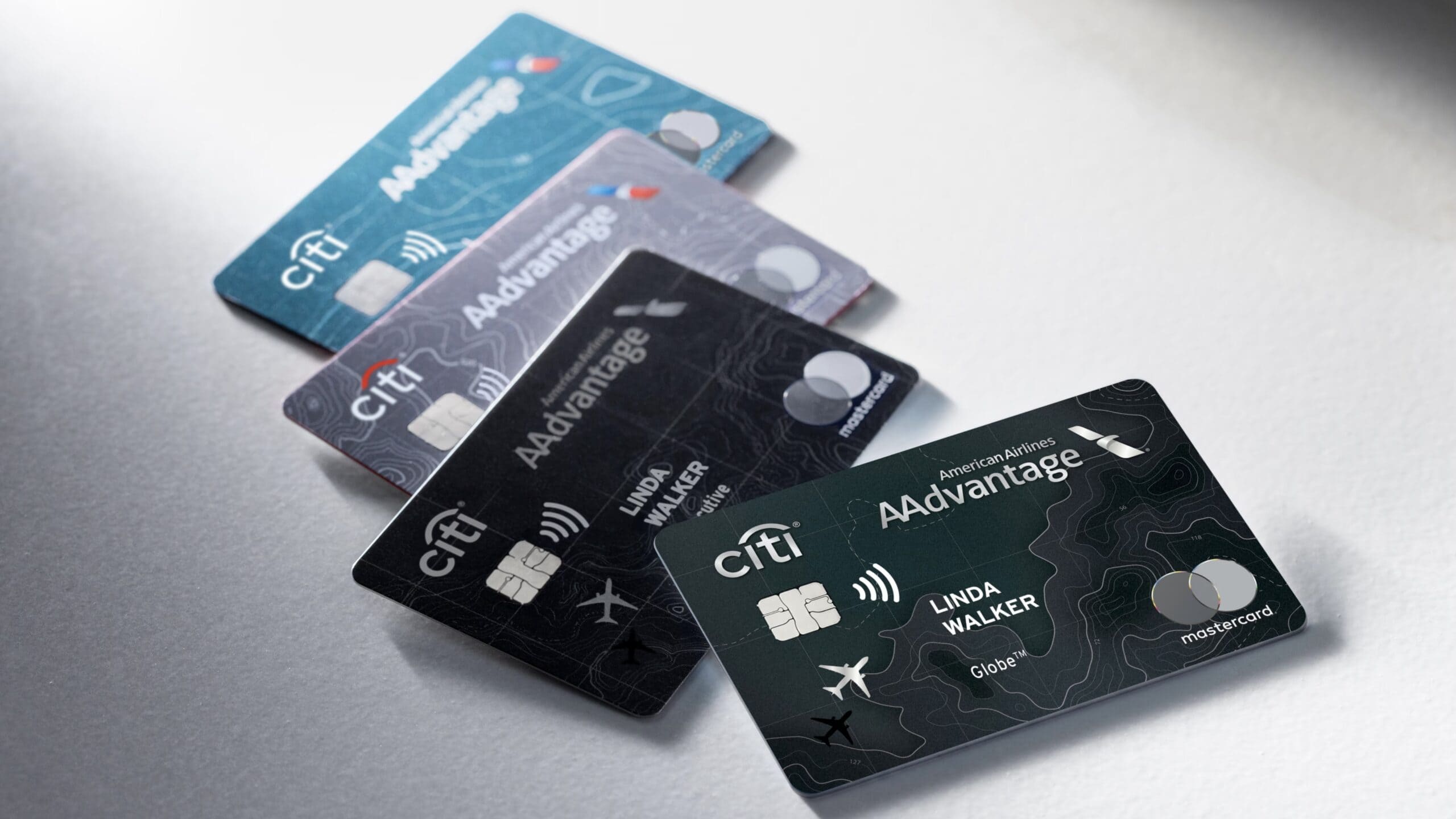
Airline miles live inside a specific airline’s loyalty program. Once you earn airline miles, they are locked into that airline’s system.
Airline miles are mainly designed for flights. You can usually:
- Book flights on that airline
- Book flights on partner airlines
- Occasionally redeem for upgrades or other travel options (i.e. lounge access)
The upside is that airline miles can offer strong value for certain flights, especially international or premium cabins. The downside is that you must follow that airline’s rules, pricing, and availability. If the airline changes its pricing or availability, your miles are affected. You cannot move airline miles back into a bank program.
These are the primary airline mileage programs most travelers in the U.S. will encounter:
- Alaska Airlines Atmos Rewards
- American Airlines AAdvantage
- Delta SkyMiles
- JetBlue TrueBlue
- Southwest Airlines Rapid Rewards
- United Airlines MileagePlus
What Are Hotel Points

Hotel points work similarly to airline miles, but for hotel stays. They live inside one hotel loyalty program and are mainly used for free nights or upgrades.
Hotel points are often easier to use than airline miles because:
- You usually see more availability
- Booking rules are simpler
However, hotel points are still restricted to that hotel family. If you do not like the available hotels or locations, your options are limited.
These are the main hotel points programs most travelers will encounter:
Why This Difference Matters
The key difference between these rewards is control. With bank points, you control when and how you commit. With airline and hotel points, the program controls the rules once the points are there.
This affects three important things:
- Flexibility. Bank points let you wait. Airline and hotel points force earlier decisions.
- Risk. Loyalty programs can change prices over time. When points are locked into one program, you carry more risk.
- Learning Curve. Bank points are easier for beginners because you can start simple and grow more advanced later.
This does not mean airline or hotel points are bad. It means they are best used intentionally, usually after you understand how redemptions work. For most beginners, starting with flexible points gives you breathing room. You earn first, learn second, and decide later.
What Points And Miles Are Worth (In Simple Terms)

One of the first questions beginners ask is simple and completely reasonable: what are points and miles actually worth?
The honest answer is this: it depends on how you use them. Unlike cash, most points and miles do not have a single fixed value. That can feel frustrating at first, but it is also where the opportunity lives. Different programs, different redemptions, and different travel goals can all change the value you get from the same number of points.
To help with this, The Points Analyst publishes regular points and miles valuations. These valuations give you a realistic baseline for what different currencies are typically worth and help you decide when using points makes sense versus paying cash. They are not rules, but reference points you can use to make smarter decisions.
Fixed-Value vs Variable-Value Rewards
To make sense of value, it helps to group rewards into two buckets.
- Fixed-Value Rewards behave like cash. Cash back is the clearest example. One dollar earned is one dollar you can spend. Some bank points also act this way when used for statement credits or certain travel bookings. The value is predictable, but capped.
- Variable-Value Rewards change in value based on how you redeem them. Airline miles, hotel points, and transferable bank points fall into this category. The same number of points might cover a short domestic flight, a long international trip, or only part of a hotel stay. The value depends on the booking.
Variable value is what makes points exciting and confusing at the same time.
A Simple Value Framework
Instead of worrying about exact math, think in ranges.
- Lower Value redemptions usually include gift cards, merchandise, or poorly priced travel bookings
- Solid Value redemptions often include Economy Class flights, domestic trips, or mid-range hotel stays
- Strong Value redemptions tend to include international flights, premium cabins, or high-cost hotel nights
You do not need to chase the strongest value to win. A solid redemption that saves you real money on a trip you wanted to take is already a success.
Points vs Cash: How To Decide
Here is a beginner-friendly rule. If using points saves you a meaningful amount of money and feels easy, it is probably a good use of points. If using points feels complicated, restrictive, or barely saves money, paying cash can be the better choice. There is no penalty for paying cash. Points exist to help you travel more comfortably or more often, not to force you into bad decisions.
Why Maximum Value Is Not The Goal At The Start
Many guides focus on getting the highest possible value per point. That can be fun later. For beginners, it often creates pressure and paralysis. Your first goal is not perfection. Your first goal is confidence. When you make your first redemption, even a simple one, points stop being theoretical. They become real. From there, you can learn how to get better value over time, at your own pace.
How To Earn Points And Miles
Once you understand what points and miles are and how their value works, the next question is practical. How do people actually earn these rewards in real life? The good news is that you do not need to travel constantly or change your lifestyle. Most people earn the majority of their points on the ground, not in the air.
Credit Cards: The Main Engine For Most People
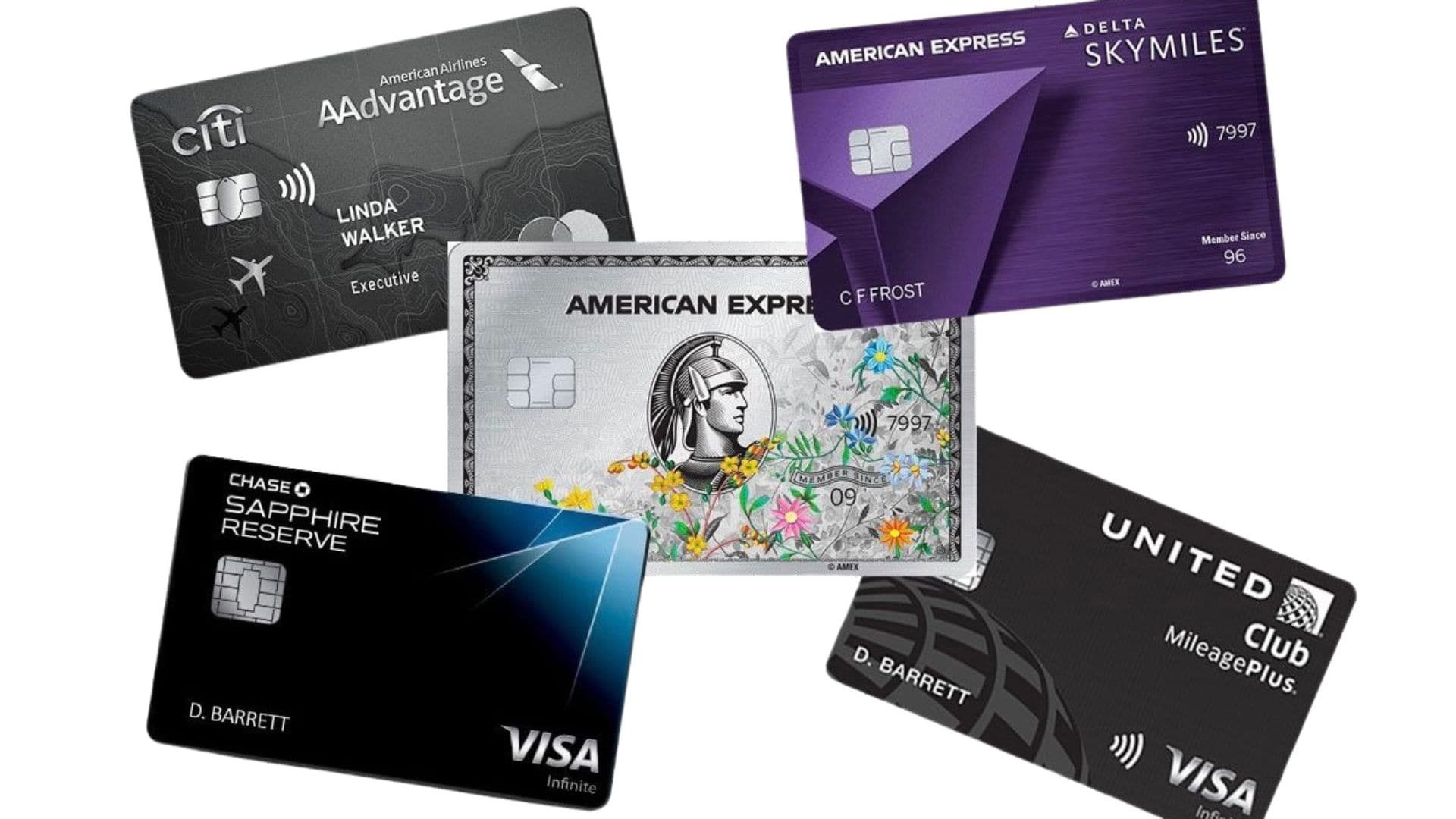
For beginners, credit cards are the primary way points and miles are earned. When you use a rewards credit card to pay for everyday expenses, the bank gives you points or miles in return. This applies to normal purchases like groceries, gas, insurance, phone bills, and streaming services.
There are two main ways credit cards generate rewards.
- Welcome Bonuses. Many cards offer a large bonus when you open the card and spend a certain amount within the first few months. This is often the fastest way to earn a meaningful balance of points. For many people, this single bonus can cover an entire trip.
- Everyday Spending. After the bonus, points continue to accumulate through regular spending. Some purchases earn the same rate everywhere. Others earn more in certain categories like dining or travel. At this stage, the exact rates matter less than building the habit.
A critical rule belongs here: only use credit cards for purchases you can already afford. Paying interest wipes out the value of points quickly. Points are a reward for spending, not a reason to spend more.
Non Credit Card Ways To Earn Points And Miles
Credit cards are powerful, but they are not the only option. Several easy methods can add points on top of what you already earn.
- Shopping Portals. Shopping portals reward you for clicking through a specific link before making an online purchase. The price stays the same. You simply earn extra points or miles for shopping you were already doing.
- Dining Programs. Some airline and hotel programs partner with restaurants. When you link a card and dine at participating locations, you earn extra rewards automatically.
- Other Partner Offers. Ride services, surveys, and promotions can add small amounts of points over time. These are optional and should never feel like work.
Travel: Earning Points And Miles On Trips You Already Take
Travel is not the only way to earn points and miles, but it remains one of the most straightforward. Nearly every time you pay for a flight or hotel stay with a brand where you have a free loyalty account, you earn rewards you can use for future trips. Even occasional travel adds up. When combined with credit card earning and other bonuses, those points can quickly turn into free flights or hotel nights.

Popular Airline Loyalty Programs
- Alaska Airlines Atmos Rewards: How To Earn Alaska Airlines Atmos Rewards Miles
- American Airlines AAdvantage: How To Earn American Airlines AAdvantage Miles
- Delta SkyMiles: How To Earn Delta SkyMiles
- JetBlue TrueBlue: How To Earn JetBlue TrueBlue Points
- Southwest Airlines Rapid Rewards: How To Earn Southwest Airlines Rapid Rewards Points
- United Airlines MileagePlus: How To Earn United Airlines MileagePlus Miles
Popular Hotel Loyalty Programs
- Hilton Honors: How To Earn Hilton Honors Points
- IHG One Rewards: How To Earn IHG One Rewards Points
- Marriott Bonvoy: How To Earn Marriott Bonvoy Points
- World of Hyatt: How To Earn World of Hyatt Points
What Beginners Should Focus On First
Early on, simplicity wins.
Focus on:
- One primary rewards card
- One or two loyalty programs
- Earning points naturally through everyday spending
Avoid trying to optimize everything at once. You can always add complexity later. The goal now is to build momentum and confidence.
How To Redeem Points And Miles
Earning points is only half the story. The real payoff comes when you turn those points into travel. This is where many beginners feel stuck, because there seem to be too many options and too many opinions. In reality, almost every redemption falls into one of three buckets. Once you understand these, the rest is just choosing what feels right for your trip.
Option 1: Book Travel Like Cash Using Points

This is the most straightforward option. Many bank rewards programs let you use points to book flights, hotels, or rental cars through their own travel portal. The experience looks similar to booking on a regular travel website. You search, pick your trip, and pay with points instead of cash.
Why people like this option:
- It is easy and familiar
- Availability usually matches cash bookings
- You can use points for almost any airline or hotel
The tradeoff is value. When you book this way, points usually have a fixed or near-fixed value. You are trading simplicity for predictability. For beginners, this is often a great starting point because it removes stress and guesswork.
Option 2: Transfer Points To Airlines Or Hotels

This is the option that gets the most attention, and the most confusion. Some bank points can be transferred to airline or hotel loyalty programs. These are called transfer partners. Once transferred, your points become airline miles or hotel points inside that program.
People use transfers because they can:
- Unlock better value for certain trips
- Access partner airlines and international routes
- Book premium cabins or high-end hotels with fewer points
- Take advantage of unique sweet spots in loyalty programs
When transfers work well, they can stretch points significantly further than booking travel at a fixed value.
Why beginners should slow down here:
- Transfers are usually one-way
- Award pricing and availability vary by program
- Rules, fees, and partners differ across airlines and hotels
- Once points move, flexibility is gone
This does not make transfers bad. It just means they require intention and confirmation before acting.
If and when you decide to explore transfers, these are the main bank programs that offer airline and hotel transfer partners.
- American Express Membership Rewards Transfer Partners
- Bilt Rewards Transfer Partners
- Capital One Miles Transfer Partners
- Chase Ultimate Rewards Transfer Partners
- Citi ThankYou Rewards Transfer Partners
- Rove Miles Transfer Partners
- Wells Fargo Rewards Transfer Partners
Option 3: Cash Back Or Statement Credits
Some rewards can be redeemed as cash back or statement credits. This turns points into money that offsets your bill or goes back into your account.
This option makes sense when:
- You want simplicity
- Travel prices are cheap
- You would rather save cash than plan a redemption
While cash back usually offers lower travel value, it offers maximum flexibility. There is nothing wrong with choosing certainty over complexity.
The Step-by-Step Process: Earn, Transfer, Redeem
Now that you know the main ways points can be used, let us slow everything down and walk through the full process from start to finish. Seeing the entire flow in one place removes most of the anxiety beginners feel.
This is what actually happens behind the scenes.
- Step 1: Earn Points – You earn points or miles through credit card spending, welcome bonuses, shopping portals, travel, or partner offers. These points sit safely in your account. Nothing else happens yet.
- Step 2: Decide Your Travel Goal – Before touching your points, decide what you want to book. A flight. A hotel. A weekend trip. A family visit. Points work best when they are attached to a real goal.
- Step 3: Compare Cash vs Points – Check how much the trip costs in cash. Then see how many points it requires. This comparison tells you if using points feels worthwhile or not.
- Step 4: Transfer Points If Needed – Only if transferring makes sense, and only after you confirm availability, do you move points to an airline or hotel program. This step is optional and should never be rushed.
- Step 5: Redeem And Travel – You complete the booking, receive confirmation, and enjoy the trip. At this point, the points are gone and the value is locked in.
That is the entire lifecycle.
The Beginner Checklist For Point Transfers
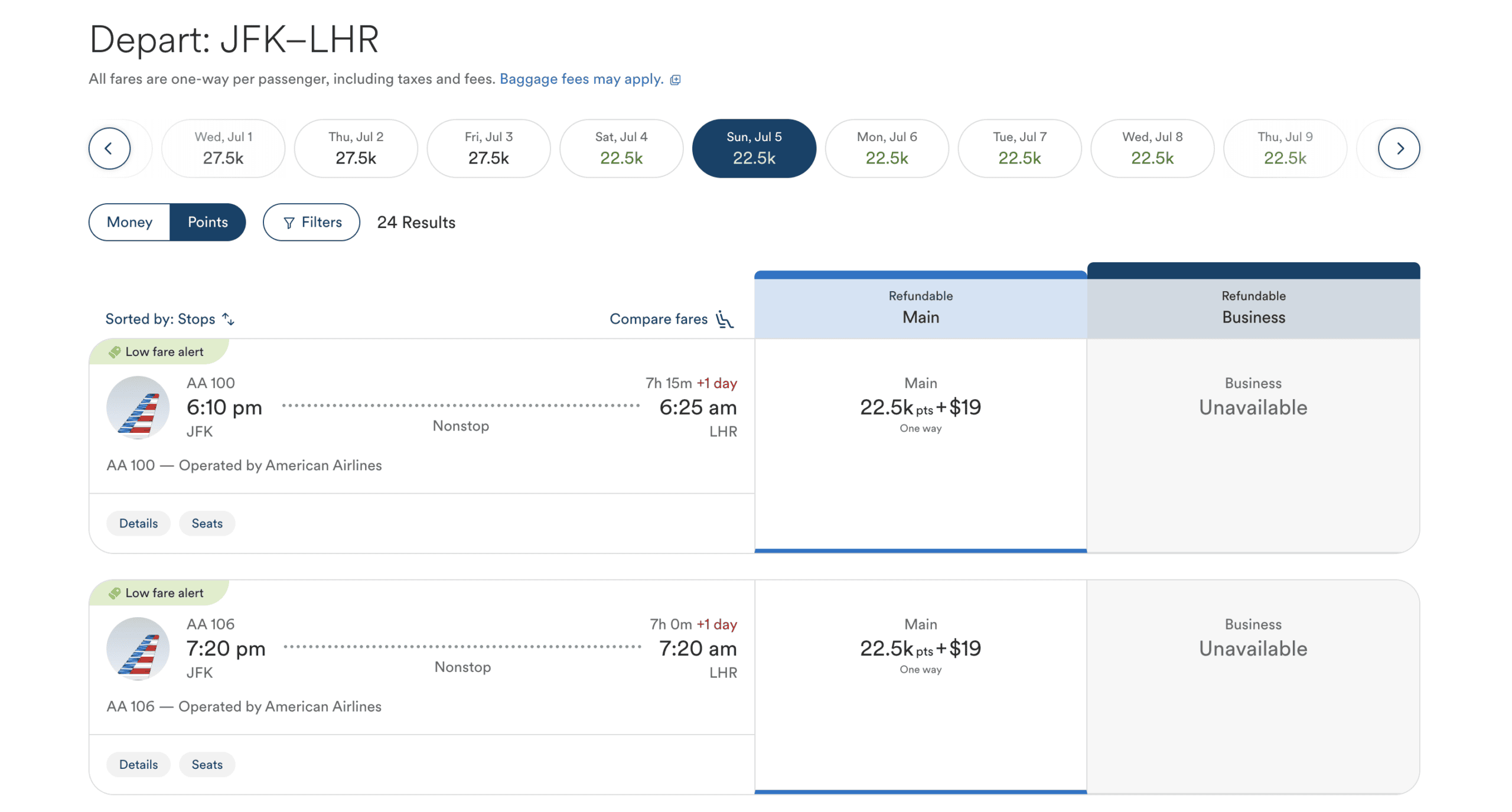
Transfers are where most costly mistakes happen, so beginners need guardrails. Before transferring any points, pause and confirm the following:
- Confirm Award Availability. Make sure the flight or hotel room you want is actually available at the point price you expect.
- Confirm The Total Cost. Check points required, taxes, fees, and surcharges. Cheap points can still come with high cash fees.
- Confirm Names Match Exactly. Your bank account name and loyalty account name should match to avoid transfer issues.
- Transfer Only What You Need. Once transferred, points usually cannot be moved back. Transfer the minimum amount required.
If any of these boxes feel unclear, stop. There is no penalty for waiting.
Common Beginner Misunderstandings
Many people assume:
- Points must be transferred quickly
- Transfers lock in a better deal automatically
- The cheapest point price is always the best option
None of these are true. You can hold bank points for years. Availability can change. And sometimes the simplest booking is the best one for your schedule, comfort, and budget. The goal of this process is not speed or perfection. It is control. Once you understand this flow, points stop feeling risky. They become a decision you make calmly, when the timing is right.
Award Charts vs Dynamic Pricing: Why Point Prices Change
One of the most frustrating moments for beginners is seeing the same flight or hotel cost different amounts of points on different days. It can feel random or unfair. In reality, there are two main systems that explain almost all of this behavior. Understanding these systems helps you spot good deals without needing to memorize rules.
What Is An Award Chart
An award chart is a fixed pricing table. It tells you how many points or miles are required for a specific type of trip or hotel night. In the past, many airlines and hotels used award charts exclusively. For example, a flight between two regions might always cost the same number of miles, no matter when you booked. A hotel might charge a fixed number of points per night based on its category.

Why people liked award charts:
- Predictable pricing
- Easier long-term planning
- Clear targets for earning points
Why programs moved away from them:
- Cash prices change constantly
- Fixed charts limited revenue
- High demand trips became underpriced
Some programs still publish charts, especially for partner flights or hotel categories, but they are less common than they used to be.
What Is Dynamic Award Pricing
Dynamic award pricing ties the number of points required to the cash price and demand. When prices are high, point costs rise. When prices are low, point costs often drop. This system mirrors how airlines and hotels price cash bookings.

Why dynamic pricing exists:
- It reflects real-time demand
- It increases availability
- It reduces blackout dates
The downside is unpredictability. A flight might cost far more points during holidays, weekends, or popular travel seasons.
How To Spot A Good Deal Under Either System
You do not need to know which pricing model a program uses to make good decisions. You only need a few habits.
- Always check the cash price first
- Compare multiple dates if possible
- Look for lower demand travel days
- Be flexible with departure times or airports
A good points deal usually feels noticeably cheaper than paying cash. If it does not, you can safely skip it.
The Peak Travel Trap
Peak travel periods often deliver the worst point value. Holidays, school breaks, and last-minute bookings tend to require more points under dynamic pricing and may have limited availability under award charts. This does not mean you cannot use points during peak travel. It means you should expect higher point costs and plan accordingly.
The most important lesson is this: point prices change for the same reason cash prices change. Once you accept that, the system feels less mysterious and much more manageable.
A Simple Example: One Trip, Three Different Ways To Pay
Abstract explanations only go so far. The easiest way to understand how points and miles work is to see the same trip booked three different ways. The goal here is not to find the perfect deal. The goal is to understand the tradeoffs.
Imagine this realistic scenario.
You want to book a round-trip domestic flight to visit family in New York City. The cash price is $350. You have been earning bank points from everyday spending and a welcome bonus.
Option 1: Paying Cash

You book the flight directly with the airline and pay $350.
This option is simple and sometimes smart.
- You earn airline miles on the flight
- You keep all your points for a future trip
- You avoid thinking about redemption rules
Paying cash makes sense when prices are low, your points balance is small, or you want to save points for something bigger later.
Option 2: Booking With Bank Points In A Travel Portal
Instead of paying cash, you log into your bank’s travel portal. The same flight is available for points at a fixed value. It costs 35,000 points. You book the flight with points and pay little or no cash out of pocket.
Why this option works well for beginners:
- The booking process feels familiar
- Availability matches cash tickets
- You know exactly what you are getting
The tradeoff is that your points have a capped value. You traded simplicity and certainty for flexibility and ease. That is not a bad deal if it fits your needs.
Option 3: Transferring Points To An Airline
You check the airline’s loyalty program and find the same flight available for 22,000 miles plus a small fee. You transfer 22,000 bank points to the airline and book the award ticket.
This option uses fewer points, but:
- You had to check award availability
- The transfer was one-way
- You committed to that airline
For some people, this is exciting. For others, it feels like extra work. Both reactions are valid.
What This Example Teaches
All three options are reasonable. None of them are wrong.
- Cash is simple and flexible
- Portal bookings are easy and predictable
- Transfers can stretch points further, but require more effort
The best choice depends on your comfort level, your points balance, and how much time you want to spend optimizing. You do not need to pick the most efficient option to win. You only need to pick the option that makes sense for your trip.
Common Beginner Myths That Lead To Bad Moves

Points and miles come with a lot of noise. Social media, blogs, and forums often focus on extremes, either horror stories or luxury wins. That creates myths that push beginners into choices they are not ready for.
Let us clear up the most common ones.
- You Should Always Transfer Points. Transferring points can unlock strong value, but it is not required. Many beginners get great results booking through travel portals or using points like cash. Transfers add rules, risk, and complexity. They should be a tool you choose, not a default move. If you do not understand the transfer, you are not missing out by skipping it.
- More Cards Always Means Better Results. Opening many cards can increase earning potential, but it also increases complexity. Tracking bonuses, due dates, annual fees, and program rules takes time and attention. For beginners, one or two well-chosen cards often outperform a scattered wallet. Master one system before adding another.
- Luxury Flights Are The Goal. Premium cabins and five-star hotels look impressive, but they are not the only measure of success. Saving money on family visits, taking extra trips each year, or avoiding peak holiday prices are equally valid wins. Points are about access and flexibility, not status.
- Points Expire Quickly. Some programs have expiration policies, but most points are easy to keep active with minimal activity. Earning or redeeming even a small amount often resets the clock. Panic redemptions usually do more harm than waiting.
- There Is One Right Way To Use Points. There is no universal best redemption. The best use of points is the one that supports your travel goals, your budget, and your comfort level. If a redemption helps you travel more or spend less, it is a good redemption.
Clearing these myths creates confidence. Confidence leads to better decisions, fewer mistakes, and more enjoyable trips.
Where To Go Next: Your Beginner Hub
Now that you understand how points and miles actually work, you have options. You can stop here and already be better informed than most travelers. Or, you can keep going and build on this foundation at your own pace.
This section is your hub. Think of it as a choose-your-own-path guide. You do not need to read everything. Pick the topic that matches where you are right now.
- The Best Travel Credit Cards For Beginners: How To Choose The Right One
- Credit Card Application Rules By Bank: A Complete Guide
- 17 Common Beginner Points And Miles Mistakes (And How To Avoid Them)
- Amex Membership Rewards vs Chase Ultimate Rewards: Which Points Ecosystem Is Best
- How To Book Your First Award Flight: A Step-By-Step Guide
What Is Next? The Points Analyst Getting Started Checklist
Once you understand the basics of points and miles, the door really opens. With a little structure and patience, you can travel more often, spend less on trips you already take, and slowly unlock experiences that once felt out of reach. That might mean saving money on that yearly trip home around the holidays. It might mean taking an extra vacation each year. Over time, it could even mean flying more comfortably or staying in better hotels without paying more cash.
If you only ever earn points with one card and use them at a simple, steady value to offset travel costs, you are already doing great. There is nothing wrong with that approach. But if you want to go further, learning a bit more over time can stretch those same points even farther.
To help you move forward without feeling overwhelmed, here is The Points Analyst getting started checklist. This is a practical, beginner-friendly path designed to turn understanding into action.
Step 1: Pick Your First Redemption Goal

The fastest and most effective way to learn how points and miles work is to actually use them. Reading guides helps, but nothing builds confidence like turning points into a real trip. Now that you understand the basics, it is time to choose your first redemption goal.
Your goal does not need to be flashy or aspirational. It just needs to be real and attainable.
That might look like:
- Using points to cover a hotel stay for family visiting over the holidays
- Booking flights for a trip you already planned
- Reducing the cost of a weekend getaway or short vacation
You can absolutely dream bigger over time. Maybe one day that means flying more comfortably on a long-haul trip or planning a bucket-list vacation. But for your first goal, simplicity matters more than perfection.
Step 2: Sign Up For The Major Loyalty Programs
Before earning or redeeming points, make sure you are set up to receive them. Airline and hotel loyalty programs are free to join. If you are not enrolled, you can fly or stay at a hotel and earn nothing in return. Signing up takes only a few minutes and ensures every trip counts toward future travel.
You do not need to join every program under the sun. Start with the airlines you fly most often and the hotels you are most likely to stay at. You can always add more later.
If you fly within the U.S. even occasionally, these are the most common programs to start with:
- Alaska Airlines Atmos Rewards
- American Airlines AAdvantage
- Delta SkyMiles
- JetBlue TrueBlue
- Southwest Airlines Rapid Rewards
- United Airlines MileagePlus
If you stay at hotels, these programs cover most major brands and price ranges:
Step 3: Apply For Your First Travel Rewards Credit Card

When you are ready, adding your first rewards credit card is one of the easiest ways to dramatically increase how quickly you earn points and miles. A single card, used well, can be enough to fund multiple trips over time.
The biggest boost usually comes from the welcome bonus. When you meet the spending requirement using purchases you already planned to make, a large batch of points is deposited into your account all at once. For many people, that bonus alone can cover a flight or hotel stay. After that, your card continues to earn points on everyday spending like groceries, gas, utilities, and recurring bills.
A few simple rules make this step work in your favor:
- Only spend what you would normally spend
- Pay the card off in full every month
- Treat the card like a debit card with better rewards
You do not need multiple cards or advanced strategies right now. One well-chosen card, used responsibly, can make a meaningful difference in your points balance and travel options.
Step 4: Join The Points Analyst Community
A big part of The Points Analyst mission is making travel easier, more affordable, and more accessible through points and miles. Learning on your own is helpful, but learning alongside others accelerates everything.
As you start earning and redeeming points, staying connected helps you:
- See real-world examples of how points are actually used
- Stay aware of changes that affect your rewards
- Learn from mistakes and wins before they happen to you
- Stay motivated as you work toward your travel goals
The Points Analyst community is built around practical guidance, transparency, and kindness. It is designed for people who want to travel better without pressure, hype, or unrealistic expectations. Follow along and join the conversation on social platforms where tips, explanations, and real redemptions are shared regularly:
- BlueSky
- Threads
- TikTok
- X (formerly Twitter)
- YouTube
Step 5: Sign Up For The Points Analyst Newsletter
Points and miles change over time. Programs adjust rules, credit card offers come and go, and new opportunities appear without much notice. Staying informed helps you avoid surprises and spot value when it shows up.
The Points Analyst newsletter is designed to keep things clear, practical, and simple. You will not get overwhelmed or pressured. You will get guidance that helps you make better travel decisions at your own pace.
Final Thoughts
Points and miles do not need to be complicated to be valuable. At their best, they are a practical tool that helps you travel more, spend less, and feel more confident about the choices you make.
If you take one thing away from this guide, let it be this: you do not need to do everything. You do not need perfect timing, maximum value, or expert-level strategies. You only need a basic understanding and the willingness to take the next small step.
Start with one goal. Earn points naturally. Keep them flexible. Use them when they make sense for your life. Your first redemption matters more than any theoretical best redemption. Once you see points turn into a real trip, everything clicks. From there, you can keep things simple or go deeper over time. Both paths are valid.
Travel should feel accessible, not intimidating. Points and miles exist to support your goals, not complicate them.