Blog >> Global Entry vs TSA PreCheck: What Is The Difference (And Which Should You Get?)
By Kevin Zanes / April 10, 2026
If you have TSA PreCheck and you fly internationally, you paid $78 for half of what $120 buys. And most people do not realize it until after they have already paid.
That $42 difference is the most misunderstood gap in airport security.
Global Entry includes TSA PreCheck automatically. Getting TSA PreCheck standalone when you fly internationally is like buying half a ticket. This page tells you which one to get, why the price difference is not what most people think, and what the Global Entry application process actually looks like.
For a full breakdown of every airport security program, including CLEAR, Mobile Passport Control, NEXUS, and SENTRI → Airport Security Programs: CLEAR vs TSA PreCheck vs Global Entry (What Actually Saves Time)
If You Only Have 10 Seconds
- Fly internationally even once a year: get Global Entry. It includes TSA PreCheck automatically.
- Fly domestically only and certain you will never fly internationally: get TSA PreCheck standalone.
- Have TSA PreCheck but fly internationally: you are leaving $42 on the table. Upgrade to Global Entry.
- Not ready to pay yet: download the Mobile Passport Control app. It is free and cuts customs lines at around 30 U.S. airports.
Most people figure this out the hard way. They are standing in a customs line that should not exist, watching Global Entry holders walk straight through, wondering why no one told them about this option.
The Core Difference
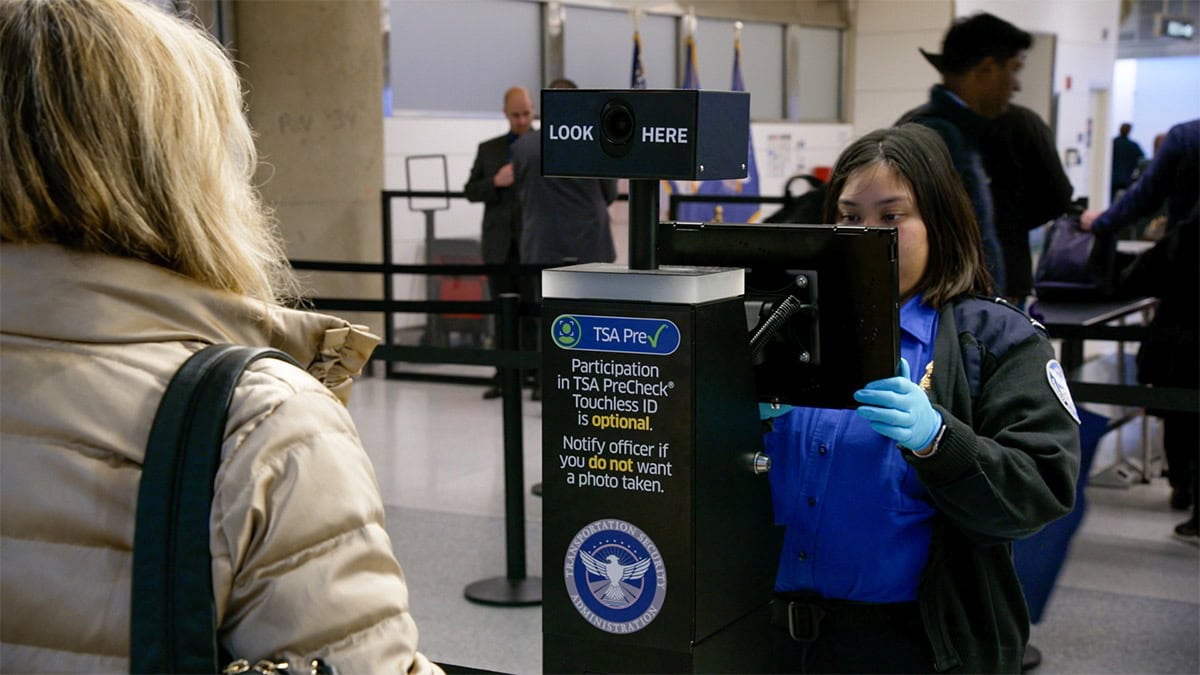
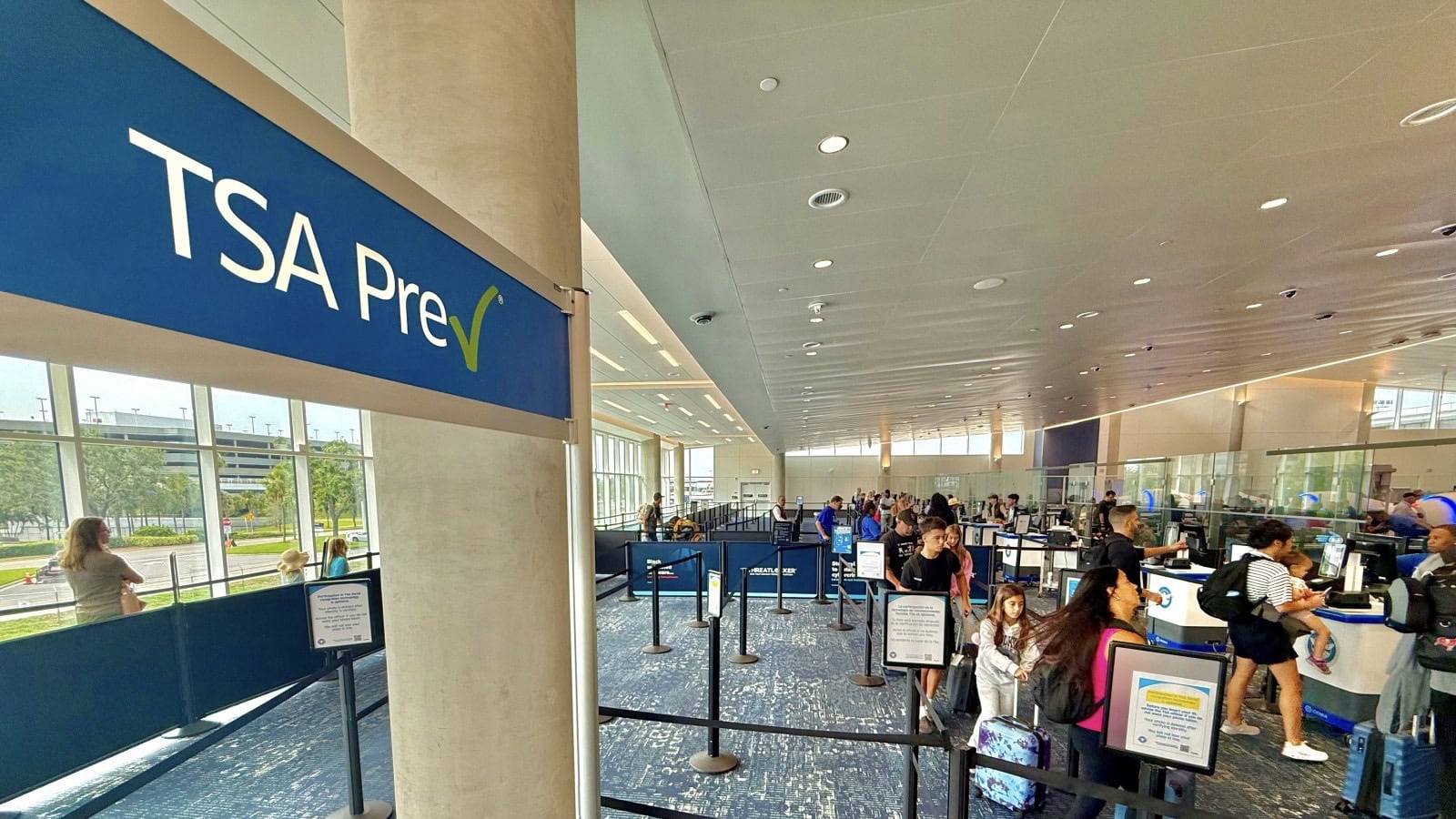
TSA PreCheck gets you into a dedicated security lane at departure where you keep your shoes and laptop in your bag. Global Entry includes TSA PreCheck automatically, plus adds a dedicated customs kiosk on return from international travel. Instead of standing in the standard immigration line, you scan your passport and fingerprints at a kiosk and clear customs in under two minutes. The cost difference is $42 over five years.
For anyone who flies internationally at all, Global Entry is the better value.
Global Entry vs TSA PreCheck: Head-to-Head
| Factor | Global Entry | TSA PreCheck |
| What it covers | Customs on return + TSA PreCheck at departure | Security lane at departure only |
| Where it wins | International arrivals + every domestic departure | Every domestic departure |
| Cost | $120 for 5 years ($24/yr) | $78 for 5 years ($15.60/yr) |
| Price difference | $42 more than TSA PreCheck standalone | $42 less than Global Entry |
| Includes TSA PreCheck? | Yes, automatically | Yes (this is TSA PreCheck) |
| Speeds up customs on return? | Yes, dedicated kiosk in under 2 min | No |
| Requires interview? | Yes, in-person interview required | No interview required |
| Approval timeline | Weeks to months (background check + interview) | Days to weeks (background check only) |
| Free with a credit card? | Yes (Amex Platinum, Chase Sapphire Reserve, Capital One Venture X, and others) | Yes (many mid-tier and premium travel cards) |
| Valid for | 5 years | 5 years |
| Best for | Anyone who flies internationally even once a year | Domestic-only flyers |
| Verdict | Get this if you fly internationally at all. The $42 gap covers five years of customs protection. | Get this if you are certain you will never fly internationally. Almost no one can say that. |
Last updated: April 2026. Fees and card benefits change. Verify before booking.
Which One Should You Get?
Get Global Entry if you fly internationally at all, even once every few years.
Here is the math: Global Entry costs $120 for five years. TSA PreCheck costs $78. The difference is $42, which works out to $8.40 per year. For $8.40 a year, you get TSA PreCheck plus the ability to clear customs at a kiosk in under two minutes instead of standing in the standard immigration line for 45 to 90 minutes at a major entry airport.
There is almost no scenario where TSA PreCheck alone is the right choice if you fly internationally. The only person who should get TSA PreCheck alone is someone who will never leave the country. Almost no one can honestly say that.
Which Program Matches Your Situation?
| Your Situation | Get This | Why |
| Fly domestically only, will never fly internationally | TSA PreCheck | Global Entry adds customs coverage you will never use. Save the $42. |
| Fly internationally even once a year | Global Entry | Includes TSA PreCheck automatically. Customs on return saved. $42 more for 5 years of protection. |
| Fly internationally 3+ times a year | Global Entry | Non-negotiable. The customs line alone justifies it on the first trip. |
| Have TSA PreCheck, wondering if the Global Entry upgrade is worth it | Global Entry | You paid $78 for half of what $120 buys. If you fly internationally at all, fix this now. |
| Cross U.S.-Canada border regularly by air or land | NEXUS | Costs $50, includes TSA PreCheck, covers U.S.-Canada customs in both directions. Full NEXUS breakdown. |
| Not ready to pay yet, flying internationally soon | MPC App (Free) | Download before your trip. Free customs shortcut at around 30 U.S. airports. Not as fast as Global Entry but better than nothing. See if MPC is enough for now. |
The Most Common Mistake: TSA PreCheck Standalone For International Travelers
If you have TSA PreCheck and you fly internationally, you are paying $78 for half of what $120 buys.
The $42 gap covers five years of customs protection. Every international return, instead of standing in a 45 to 90 minute immigration line at New York (JFK), Miami (MIA), or Los Angeles (LAX), you walk to a Global Entry kiosk and clear customs in under two minutes.
That time difference does not happen once. It happens every single time you return from abroad. Most people only realize this after their first long customs line.
If you are in this situation, the upgrade path is straightforward. Apply for Global Entry now. Your existing TSA PreCheck KTN transfers automatically.
What The Global Entry Application Actually Looks Like
The interview requirement is the most common objection to Global Entry. Here is what the process actually involves.
The Application Steps
The whole thing starts online at the CBP Trusted Traveler Programs website. The application takes about 20 minutes. You fill out your personal information, travel history, and employment background, then pay the $120 fee. That fee is non-refundable whether or not you are approved, so make sure you are eligible before applying.
After you submit, CBP runs a background check. Conditional approval can come back in a few days or take several months depending on application volume and your profile. Most straightforward applicants get conditional approval within a few weeks.
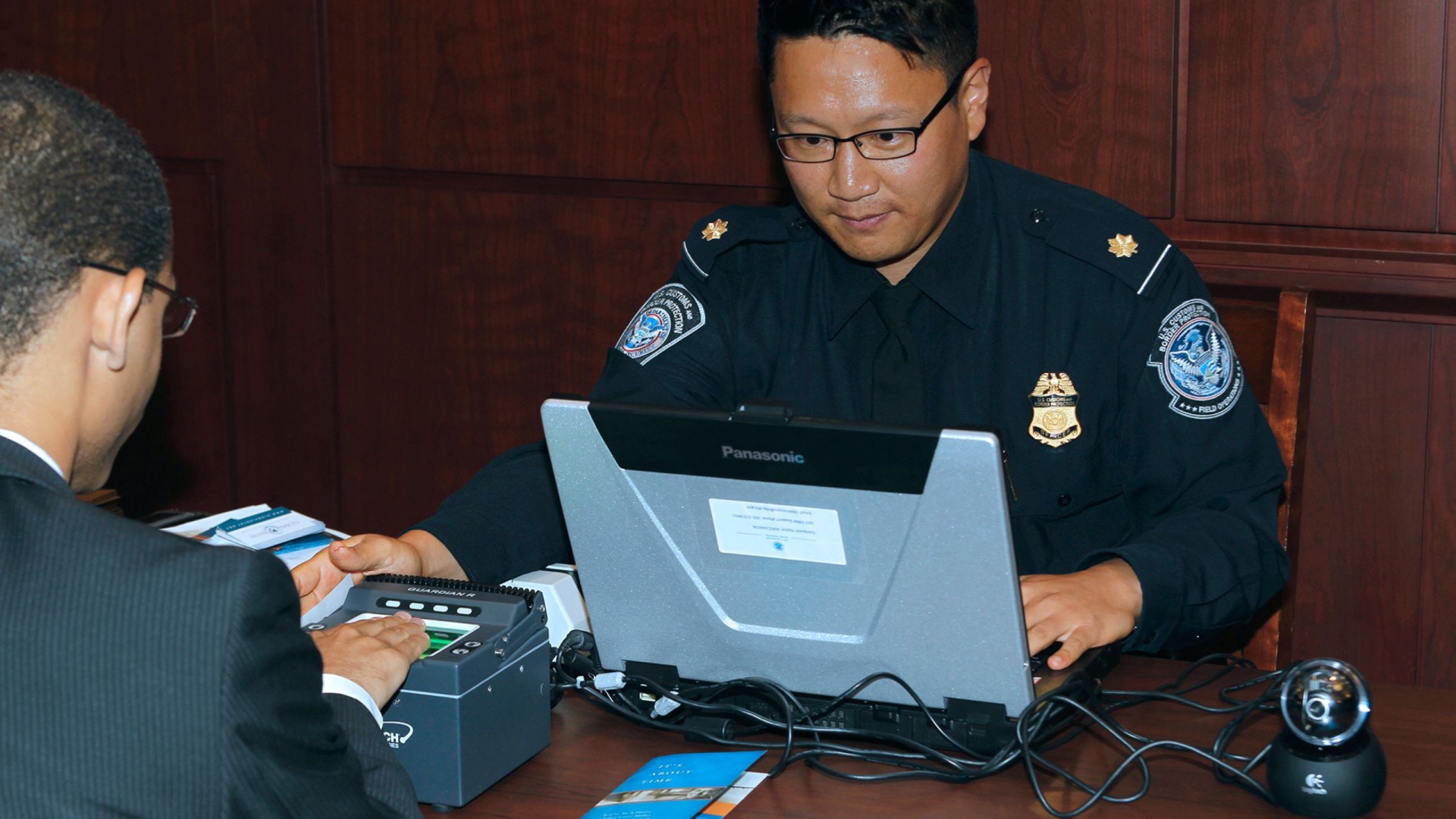
Once conditionally approved, you schedule an in-person interview at a Global Entry Enrollment Center. Enrollment centers are located at major airports and some CBP offices. The interview itself typically takes 10 to 15 minutes. An officer reviews your passport and any other documents listed in your conditional approval notice, asks a few standard questions, and clears you. It is less intimidating than it sounds.
Once approved, your Known Traveler Number (KTN) is activated and works for TSA PreCheck lanes immediately.
How Long Does It Take?
Plan for 3 to 6 months from application to active approval to be safe. Some applicants get through faster, others take longer. The interview scheduling is often the longest part, not the background check. Apply well before any international trip you are counting on it for.
Enrollment On Arrival
If you have conditional approval and are returning from an international trip, some airports offer Global Entry Enrollment on Arrival. You complete your interview at a dedicated station as you clear customs, without scheduling a separate appointment. Not all airports have this and availability is not guaranteed. Confirm current participating locations at cbp.gov before relying on it.
Travel Nerd Tip: How To Get Your Interview Faster
Appointment slots at enrollment centers in major airports like New York (JFK), Los Angeles (LAX), and Chicago (ORD) fill up quickly. Check enrollment centers at smaller airports in your region. Many have significantly shorter wait times for the exact same interview.
Also watch for cancellation slots. They open up regularly and can get you in much sooner than the first available date shows.
What to expect at the interview and how to get approved faster →
What Using Global Entry Actually Feels Like
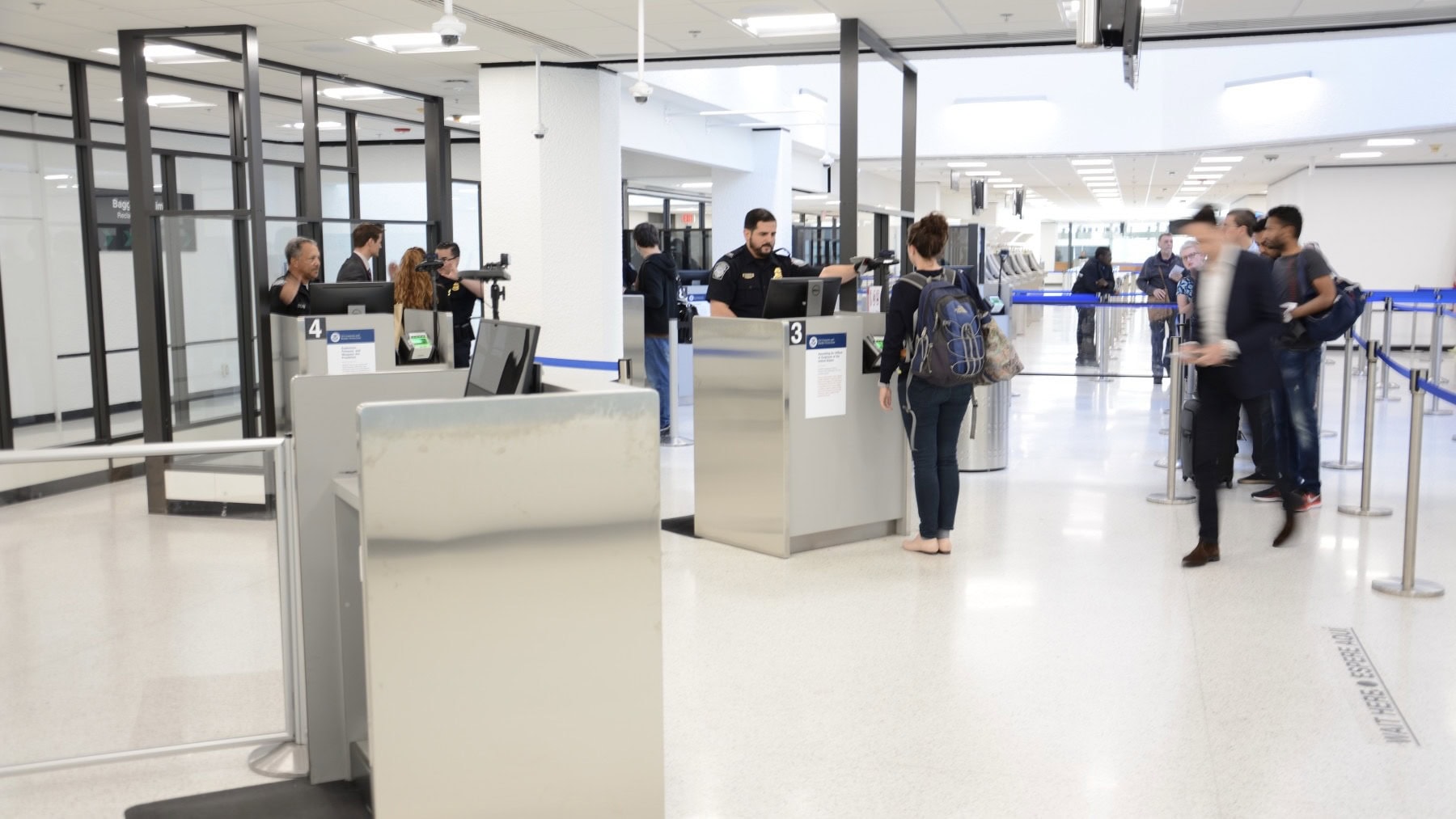
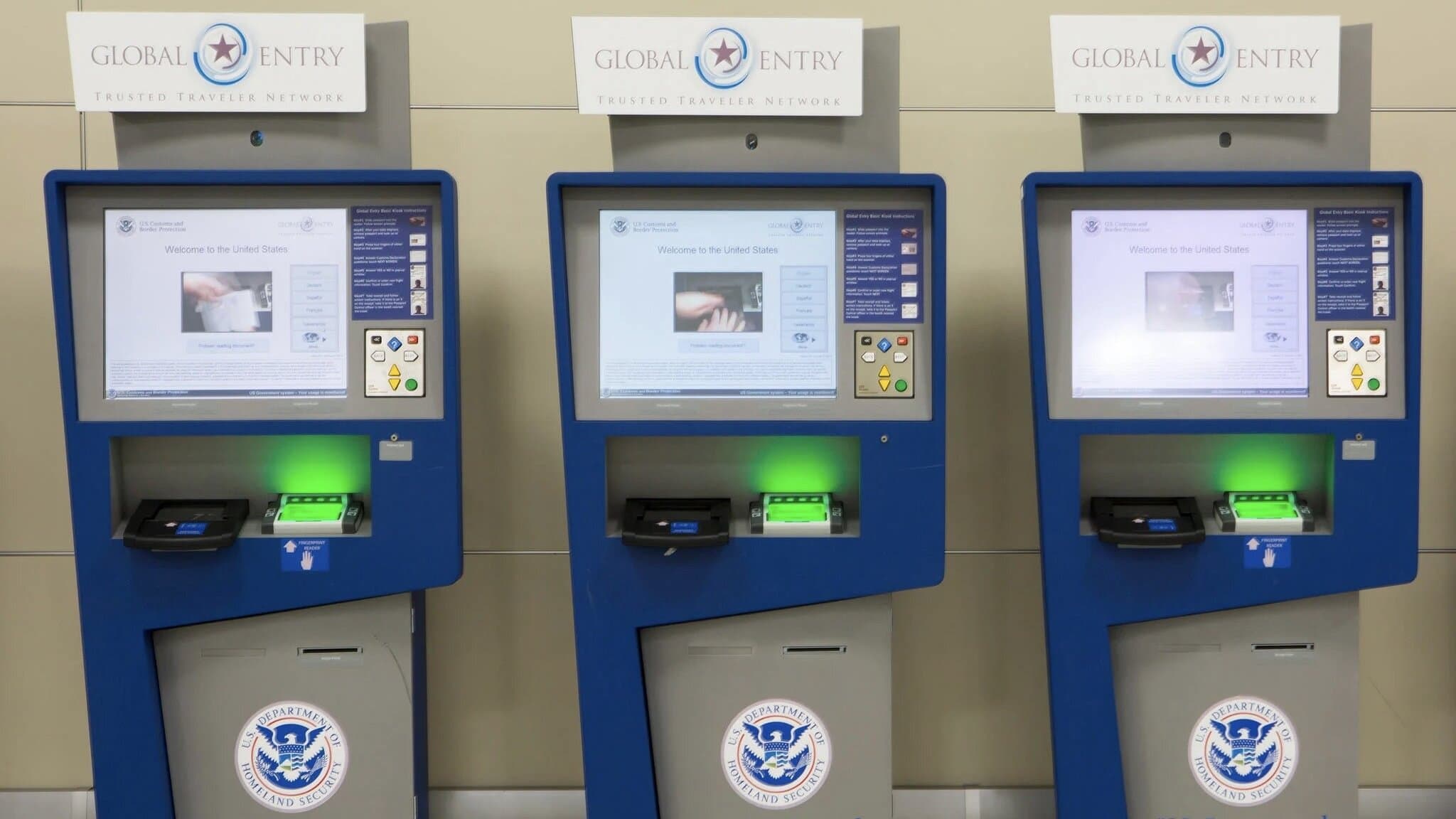
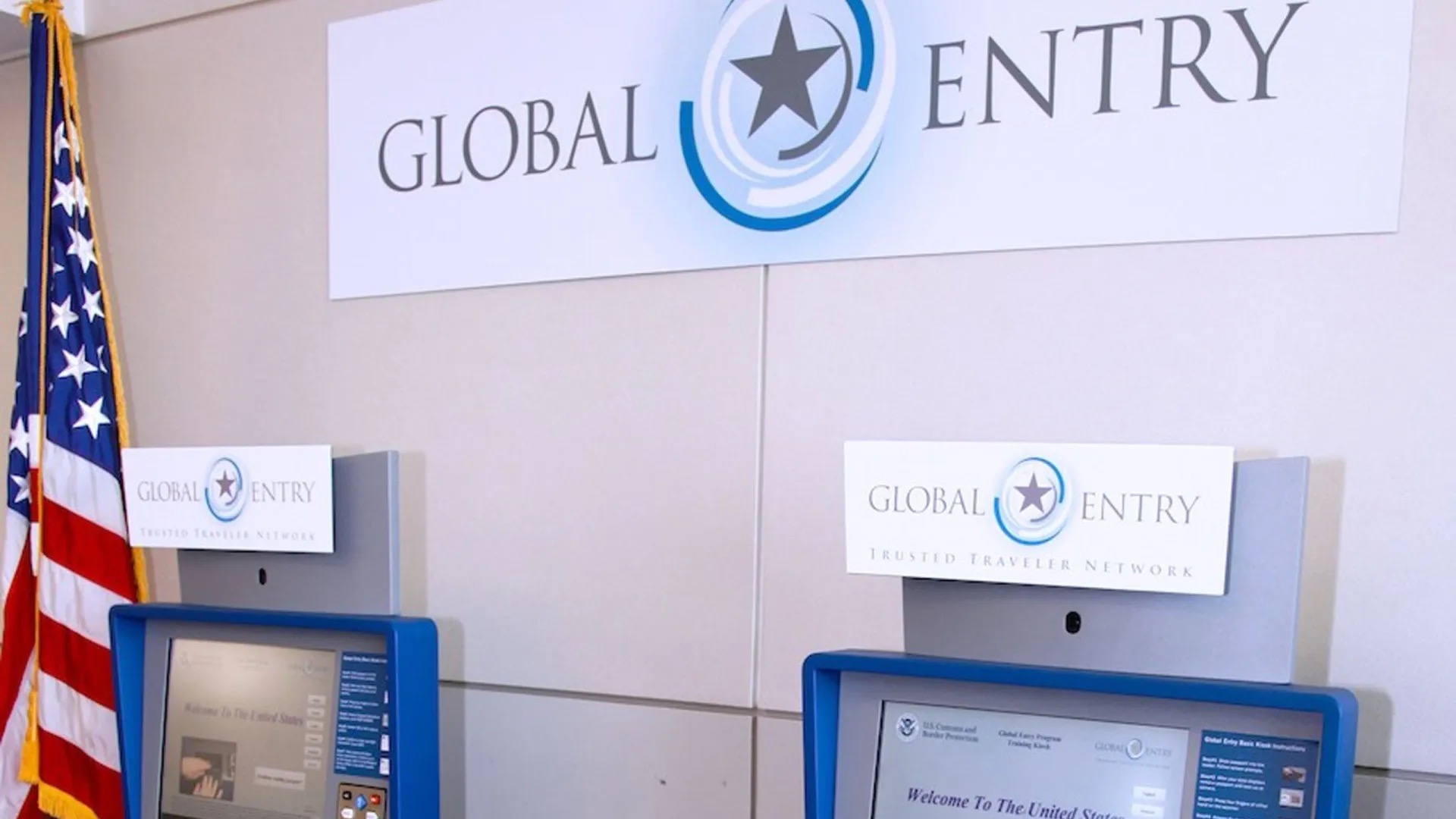
You land from an international flight and follow the signs for U.S. Customs. Instead of joining the standard immigration officer queue, you walk straight to the Global Entry kiosk area. You scan your passport, place your fingers on the fingerprint reader, answer a few customs declaration questions on the screen, and take the printed receipt the kiosk produces. An officer glances at the receipt and waves you through. Total time at the kiosk: under two minutes, based on peak-hour conditions at major U.S. entry airports.
Standard customs line: shuffle forward for 45 minutes, present passport to officer, answer questions, get stamped, leave.
Global Entry: kiosk, fingerprints, receipt, done. Under two minutes.
That is the difference $120 buys you for five years.
Compare that to the standard line at New York (JFK), Miami (MIA), or Los Angeles (LAX) during a peak international arrival bank: 45 to 90 minutes. That is the actual gap Global Entry closes on every international return. Not just once. Every single time.
Is The $42 Upgrade Actually Worth It?
This section is specifically for the reader who already has TSA PreCheck and is deciding whether to upgrade. Here is the math, written out so you do not have to do it yourself.
- TSA PreCheck: $78 for 5 years = $15.60/yr
- Global Entry: $120 for 5 years = $24/yr
- Difference: $42 total, $8.40/yr
For $8.40 per year, you get everything TSA PreCheck gives you plus a dedicated customs kiosk that clears you in under two minutes on every international return. If you take even one international trip per year, the customs time savings on a single return trip are worth more than $8.40.
If you take two or more international trips per year, this is not even a decision. It is just math.
That is not a subtle difference. That is the difference between walking out of the airport and waiting in a line that barely moves.
The only scenario where TSA PreCheck standalone makes sense: you genuinely never fly internationally. If there is any chance you will, Global Entry is the right call.
If you have a credit card that covers the Global Entry fee, and many do, this is not even a $42 question. It is a zero-dollar question.
Credit Cards That Cover The Fee

Before you pay out of pocket for either program, check your cards.
- Global Entry ($120): Covered as a statement credit by the Chase Sapphire Reserve®, American Express Platinum Card®, Capital One Venture X Rewards Credit Card, Citi Strata Elite℠ Card, and a growing number of other premium travel cards.
- TSA PreCheck ($78): Covered by a wider range of mid-tier cards, including the Capital One Venture Rewards Credit Card and many airline co-branded cards.
If you are paying out of pocket for either program, check your cards first. Many travelers are sitting on a credit card that covers this fee entirely and do not know it.
See the cards that cover the fee in full → Best Credit Cards For TSA PreCheck, Global Entry, And CLEAR Credits
Frequently Asked Questions
Does Global Entry Include TSA PreCheck?
Yes. Global Entry includes TSA PreCheck automatically. When you enroll in Global Entry and receive your Known Traveler Number (KTN), that number works for TSA PreCheck lanes at domestic airports. This is why applying for Global Entry instead of TSA PreCheck standalone makes sense for any traveler who flies internationally. The cost difference is $42 over five years. For that $42 you get TSS PreCheck plus customs kiosk access on every international return.
Is Global Entry Worth It If I Only Fly Internationally Once A Year?
Yes. The customs time savings on a single return trip at a major entry airport are worth more than the $8.40 annual cost difference between Global Entry and TSA PreCheck standalone. At New York (JFK), Miami (MIA), or Los Angeles (LAX) during a peak international arrival bank, the standard immigration line runs 45 to 90 minutes. The Global Entry kiosk clears you in under two minutes. That gap is worth $42 for five years on the first trip alone.
Can I Upgrade From TSA PreCheck To Global Entry?
There is no direct upgrade path. You apply for Global Entry as a separate program through CBP’s Trusted Traveler Programs website. Once your Global Entry application is approved, your existing PreCheck KTN is replaced by your Global Entry KTN, which works for both TSA PreCheck lanes and Global Entry kiosks. You do not lose TSA PreCheck access during the process. If your TSA PreCheck membership is still active when Global Entry is approved, you will not receive a refund on the TSA PreCheck fee.
What Is The Difference Between Global Entry And TSA PreCheck?
TSA PreCheck speeds up departure security. It gets you into a dedicated lane where your shoes and laptop stay in your bag. Global Entry does everything TSA PreCheck does at departure, plus adds a dedicated customs kiosk on international returns. The cost difference is $42 over five years. For anyone who ever flies internationally, Global Entry is the right program.
See how CLEAR fits into the departure equation → CLEAR vs TSA PreCheck: Which One Actually Saves More Time?
How Long Does Global Entry Take To Get Approved?
Plan for 3 to 6 months from application to active approval. Conditional approval (the background check phase) can come back in days or take several months depending on volume. Scheduling the in-person interview is often the longer part. Apply well before any international trip you are counting on it for. Some airports offer enrollment on arrival if you have conditional approval and are returning from an international trip.
Do I Need Global Entry If I Already Have TSA PreCheck?
If you fly internationally at all, yes. TSA PreCheck speeds up your departure lane but does nothing at customs on return. Global Entry gives you the same departure benefit TSA PreCheck does, plus clears you through customs in under two minutes every time you return from abroad. The cost difference is $42 for five years of that protection.
Is Global Entry Free With Any Credit Cards?
Yes. Global Entry is covered as a statement credit by several premium travel cards, including the Chase Sapphire Reserve®, American Express Platinum Card®, Capital One Venture X Rewards Credit Card, and Citi Strata Elite℠ Card. TSA PreCheck is covered by a broader range of premium and mid-tier cards. If you are unsure whether your card covers either fee, check your card’s travel benefits before paying out of pocket.
Final Thoughts
If you fly internationally at all, Global Entry is the right program. The $42 difference is the cost of a checked bag. The time savings on a single customs return are worth more than that.
TSA PreCheck gets you through departure faster. Global Entry gets you home faster. For $42 more, you get both.