Blog >> The Best Travel Credit Cards For Beginners: How To Choose The Right One [2026]
By Kevin Zanes / January 7, 2026

Travel credit cards are often introduced with big promises. Free flights. Luxury hotels. Upgrades that feel out of reach. For someone just getting started, that promise can quickly turn into pressure. One search leads to dozens of cards, each claiming to be the best. What starts as a simple idea, earning points to travel more, suddenly feels complicated and risky.
Many beginners stop right there.
They worry about picking the wrong card, paying an annual fee they will not use, or wasting points through a mistake. Some already have a cash back card that works well and wonder if travel rewards are even worth the effort. Others like the idea of a first free flight but have no clear place to begin.
Here is the part that rarely gets said clearly. There is no single answer to what are the best travel credit cards for beginners. The right travel credit card depends on how you travel today, how often you take trips, and how much complexity you want in your life. A card that works well for someone else can easily be the wrong fit for you.
Instead of telling you which card to apply for, this guide shows you how to think about the decision. You will learn what actually makes a travel credit card beginner friendly, which options are easiest to start with, and which mistakes are most common early on. The focus is not on chasing the biggest bonus. It is on choosing a first card that feels useful, manageable, and easy to build on.
How To Choose Your First Travel Credit Card
Before looking at specific cards, it helps to slow down and understand what actually matters at the beginning. Most frustration with travel credit cards does not come from bad products. It comes from choosing a card that does not match how someone travels or how much complexity they want to manage.
What Makes A Travel Credit Card Beginner Friendly

A beginner friendly travel credit card is designed to feel easy and forgiving while you learn. These are the traits that matter most early on.
- Simple Earning Structure. Cards that earn a consistent rate on most purchases are easier to understand and harder to misuse. When rewards are predictable, you spend less time tracking categories and more time earning points.
- Flexible Redemption Options. Beginner friendly cards allow points to be used in more than one way. This often means booking travel directly with points or saving them for future transfers once you are more comfortable.
- Clear And Forgiving Rules. The best starter cards have straightforward redemption options, minimal restrictions, and points that do not expire quickly. You should not need advanced knowledge to avoid mistakes.
- Reasonable Annual Fee. No annual fee or a low annual fee keeps pressure low while you learn. If a card does have a fee, it should be easy to understand how you get that value back without changing your habits.
- Realistic Approval Odds. While no card is guaranteed, beginner friendly options are usually accessible to people with solid but not perfect credit. Starting with a realistic option helps protect your credit and builds confidence.
If a card feels confusing or demanding at the beginning, it is usually not the right place to start.
What Beginners Should Avoid Early On
Some travel credit cards are powerful tools, but they work best later. Early on, these features often create frustration instead of value.
- Co-Branded Airline Credit Cards. Airline cards can offer perks like free checked bags or priority boarding, but they lock you into one airline before you understand how points and redemptions really work. That lack of flexibility can be limiting for beginners.
- High Annual Fees Without Clear Value. Premium cards come with impressive benefits, but they only help if you actually use them. Paying a large annual fee for perks that do not match how you travel often leads to regret.
- Complex Earning Structures. Cards with rotating categories, narrow bonus rules, or stacked multipliers require constant attention. Beginners often miss rewards or feel confused about what earns extra points.
- Cards That Force Early Loyalty. Travel rewards work best when you have options. Cards that lock you into one airline or hotel program too early reduce flexibility and make it harder to learn how different redemptions work.
If a card requires careful management just to avoid mistakes, it is usually better saved for later in your travel rewards journey.
Best No Annual Fee Travel Credit Cards For Beginners
For many beginners, a no annual fee travel credit card is the easiest and least intimidating place to start. There is no long term commitment, no pressure to justify a yearly cost, and no risk of paying for benefits you are not ready to use. These cards are designed to help you learn how travel rewards work while keeping things simple.
This category is not about luxury. It is about building confidence.
Who This Category Is For

No annual fee travel credit cards are a strong fit if any of these sound like you:
- You are applying for your first ever travel credit card
- You want to earn travel rewards without paying a fee upfront
- You travel occasionally and want flexibility
- You care more about learning than maximizing value right now
These cards are often used as a starting point, not a permanent solution. That is perfectly fine. A good first card teaches you how points work and sets you up for better options later.
What To Look For In A No Annual Fee Travel Card
Not all no fee cards are equally beginner friendly. The best options share a few important traits.
- No Foreign Transaction Fees. This is a key travel feature that some no fee cards still lack. Avoid cards that charge extra just for using them abroad.
- Simple Earning Structure. Flat earning rates or very clear bonus categories make it easier to understand how points add up.
- Flexible Redemption Options. Points should be usable for more than one type of travel. Being able to book flights, hotels, or even erase travel purchases adds flexibility.
- Clear Upgrade Path. Some no fee cards allow you to upgrade to a stronger card later without starting over. This makes them excellent learning tools.
Top Beginner Options To Consider
When choosing a no annual fee travel credit card, focus less on squeezing out maximum value and more on ease of use.
A strong beginner option usually checks these boxes:
- Easy approval for people with good credit
- Straightforward earning on everyday spending
- Simple ways to use points for travel
- No pressure to travel often to see value

These options are widely considered strong starting points because they keep rewards simple and mistakes low:
- Capital One VentureOne Rewards Credit Card
- Bilt Mastercard®
- Chase Freedom Unlimited®
- Wells Fargo Autograph® Card
- Citi Strata℠ Card
There is no need to find the perfect card at this stage. Any of these options can work as a first travel credit card if they match how you spend and travel today.
Why No Annual Fee Cards Are Beginner Safe
The biggest advantage of a no fee travel card is psychological. You can explore travel rewards without feeling locked in. If you decide travel cards are not for you, you can keep the card open without cost. If you enjoy the experience, you can upgrade later with confidence.
Think of this category as training wheels. It helps you understand the system, avoid costly mistakes, and build a foundation that makes the next step easier.
When It Makes Sense to Move On
As you gain experience, you may notice the limits of no annual fee cards. Earning rates are usually lower, and advanced features like transfer partners or travel protections are often missing.
That is not a failure. It is a sign of progress.
Once you understand how you like to use points and how often you travel, stepping up to a low annual fee card can unlock much more value.
Best Low Annual Fee Travel Credit Cards For Beginners
After spending some time with a no annual fee card, many beginners reach the same conclusion. Travel rewards make sense, but earning feels slow and options feel limited. This is usually the point where a low annual fee travel credit card becomes worth considering.
Paying a small annual fee can unlock outsized value. The key is choosing a card where the benefits feel usable, not aspirational.
Why Paying A Small Annual Fee Can Be Worth It

Low annual fee travel credit cards often represent the best balance for beginners. They introduce more powerful features without overwhelming complexity.
Here is what usually improves when you step up slightly:
- Better earning rates on everyday spending
- Access to transfer partners, which increases flexibility
- Built in travel protections like trip delay coverage
- More realistic paths to your first strong redemption
Instead of chasing luxury perks, these cards focus on making travel rewards easier to use and more valuable.
What Makes A Low Annual Fee Card Beginner Friendly
Not every card with an annual fee belongs in this category. Beginner friendly options tend to share a few traits.
- Annual Fee Under Roughly 100 USD. The value should be easy to justify through everyday use, not special circumstances.
- Flexible Redemption Options. Points should be usable in simple ways now, with more advanced options available later.
- Clear Earning Structure. Bonus categories should match common spending like dining, travel, or groceries.
- Strong Upgrade or Expansion Path. These cards often sit at the center of a broader points ecosystem, making them useful long term.
Top Beginner Options To Consider
When choosing a low annual fee travel credit card, the focus shifts slightly. At this stage, you are no longer just learning how points work. You are choosing a card that should deliver clear, ongoing value in exchange for a modest yearly cost.
A strong beginner friendly low annual fee card usually checks these boxes:
- Annual fee that is easy to justify, usually around 100 USD or less
- Strong earning on common spending like travel, dining, or everyday purchases
- Flexible redemption options that work for simple trips now and better value later
- A clear role as a long term keeper card, not something you quickly outgrow
Cards that meet these criteria tend to offer the best balance of value and simplicity for beginners ready to level up.

The following options are widely considered strong starting points in the low annual fee category because they unlock flexible rewards without adding unnecessary complexity:
- Capital One Venture Rewards Credit Card
- Chase Sapphire Preferred® Card
- Citi Strata Premier® Card
- Wells Fargo Autograph Journey℠ Card
Why Low Annual Fee Cards Often Make The Best First Long Term Choice
For many people, this category ends up being the sweet spot. The annual fee is manageable, the rewards are meaningful, and the learning curve stays reasonable. Instead of outgrowing the card quickly, beginners often keep these cards for years. They become the foundation for future strategies, not a stepping stone that gets replaced immediately.
If you want travel rewards that feel useful sooner rather than later, a low annual fee travel credit card is often the most balanced place to start.
The Best One Card Strategy For Beginners
Some beginners do not want to manage multiple credit cards, track bonus categories, or think too much about optimization. They want one card that works for everyday spending and travel, without needing constant attention. That is where a one card strategy makes sense.
This approach is often overlooked, but for the right person, it is one of the most effective ways to start earning travel rewards without frustration.
Who A One Card Strategy Is Best For

A one card setup works well if several of these describe you:
- You prefer simplicity over squeezing out extra value
- You travel one to three times per year
- You want one primary card for most spending
- You do not want to track rotating categories or multiple balances
This strategy is not about being perfect. It is about consistency. When one card stays in your wallet and gets used for most purchases, rewards add up naturally.
What Makes A Great One Card Travel Setup
Not every travel card works well as a standalone option. The best one card travel setups share a few important traits.
- Flat Earning Rate On All Purchases. Earning the same rate everywhere removes decision fatigue and missed rewards.
- Flexible Redemption Options. Points should be easy to use for flights, hotels, or other travel without requiring deep knowledge.
- Built In Travel Protections. Benefits like trip delay coverage and rental car insurance add value without extra effort.
- No Complicated Bonus Rules. The card should reward you for spending, not for remembering fine print.
Top One Card Options For Beginners
These cards are commonly used as single card setups because they balance earning, flexibility, and ease of use.
Capital One Venture Rewards Credit Card
A simple, flat rate travel card that works well for beginners who want straightforward earning and easy travel redemptions without learning transfer partners right away.
- Annual Fee: 95 USD
- Average Welcome Bonus: 75,000 miles
- Key Earning Categories: 2x miles on all purchases
- Rewards Program: Capital One Miles
This card works well as a true set it and forget it option. You can redeem miles to erase travel purchases with minimal effort. What you give up is higher earning in specific categories. What you gain is simplicity and consistency.
Chase Sapphire Preferred® Card
A flexible, beginner friendly travel card that introduces transferable points in a manageable way while still offering simple redemptions through the Chase Travel portal and various airlines and hotel transfer partners.
- Annual Fee: 95 USD
- Average Welcome Bonus: 60,000 points
- Key Earning Categories: 5x points on travel booked through Chase; 3x points on dining, select streaming, and online groceries; 2x points on other travel
- Rewards Program: Chase Ultimate Rewards
As a one card setup, this card rewards travel and dining well and grows with you over time. Everyday non bonus spending earns less than a flat rate card, but many beginners accept that tradeoff for flexibility.
Citi Strata Premier® Card
A strong one card option for beginners with broad everyday spending who want high earning across multiple common categories and access to transfer partners.
- Annual Fee: 95 USD
- Average Welcome Bonus: Often around 60,000 points after qualifying spend
- Key Earning Categories: 3x points on flights, hotels, dining, supermarkets, and gas stations
- Rewards Program: Citi ThankYou Rewards
This card works well if your spending is spread across many categories. It requires slightly more awareness than a flat rate card, but the earning potential is strong even without adding other cards.
When It Makes Sense To Add A Second Card
A one card strategy can last for years. There is no rush to expand.
Adding a second card usually makes sense when:
- You want better rewards in specific spending categories
- You travel more frequently and want to optimize value
- You are comfortable managing more than one card
Until then, a single well chosen travel credit card can deliver meaningful rewards with very little effort. For many beginners, the best strategy is not doing more. It is choosing one solid card and using it well.
Flexible Points vs Co-Branded Airline Credit Cards
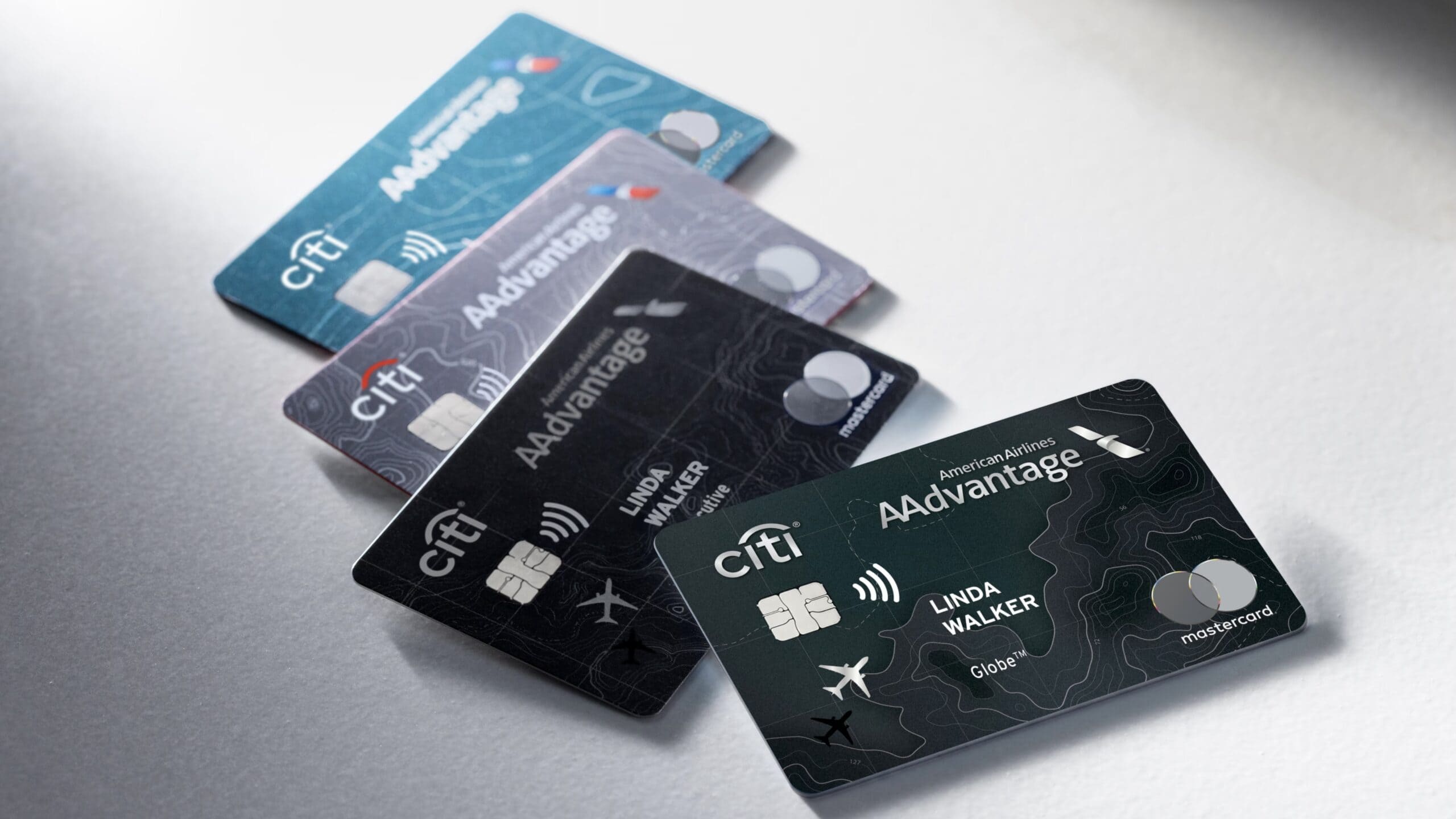
One of the most confusing decisions for beginners is choosing between a flexible points credit card and an airline credit card. Both earn rewards for travel, but they work very differently. Understanding this difference early can save you a lot of frustration later.
For most beginners, flexibility matters more than loyalty.
What Are Flexible Points
Flexible points are rewards issued by banks (i.e. Chase or American Express) rather than airlines (i.e. American Airlines) or hotels (i.e. Marriott). Instead of being tied to one brand, these points give you multiple ways to use them.
At a basic level, flexible points usually work in two ways. You can redeem them directly for travel, such as booking flights or hotels through a bank travel portal, or you can transfer them to airline and hotel partners once you are ready to learn that side of the hobby.
This flexibility is powerful for beginners. You can start simple, using points like a statement credit for travel, and gradually move into more advanced redemptions later. If your travel plans change, your points are not locked into one airline.
That freedom reduces the chance of feeling stuck or making a mistake early on.
Why Flexibility Matters Early
When you are new to travel rewards, you are still learning how often you travel, where you like to go, and how much effort you want to put into planning redemptions. Flexible points adapt to those unknowns.
They let you:
- Book travel through the portal without worrying about award availability
- Use points on different airlines depending on price and schedule
- Learn at your own pace without committing to one program
For beginners, flexible points act like a safety net. You can get value even if you never touch transfer partners.
What Airline Credit Cards Are Good At
Airline credit cards are tied to a specific airline. They earn miles in that airline’s loyalty program and often come with perks designed for frequent flyers.
These perks can include:
- Free checked bags
- Priority boarding
- Discounts on in flight purchases
- Easier access to elite status
If you already fly the same airline often, these benefits can be valuable. Airline cards are designed to reward loyalty, not flexibility.
Why Airline Cards Are Usually Not Ideal For Beginners
For most beginners, airline cards introduce limitations too early.
Miles earned on an airline card can usually only be used with that airline or its partners. If award seats are unavailable, or if that airline does not serve your route well, your points lose usefulness. This can be frustrating when you are still learning how redemptions work.
Airline cards also tend to teach a narrower version of travel rewards. You learn one program instead of learning how the broader points ecosystem works. That makes it harder to compare value or adjust strategies later.
None of this makes airline cards bad. It just makes them better suited for a later stage.
When An Airline Credit Card Does Make Sense
There are situations where an airline credit card can be a smart move, even early on.
An airline card may make sense if:
- You fly the same airline multiple times per year
- That airline dominates your home airport
- You already understand how award bookings work
- You value perks like free checked bags more than flexibility
In those cases, the savings from perks alone can justify the card.
Airline credit cards are best viewed as specialist tools. They can be incredibly useful in the right situation, but they work best once you already understand the basics.
Beginner Scenarios: What Card Should I Get If…

At this stage, most beginners are asking the same question in different ways. Which card should I get for my situation. Instead of chasing a universal answer, it helps to start with how you actually travel today.
Below are common beginner scenarios. Each one includes a realistic card recommendation and a clear next step if you want to go deeper.
Which Card Should I Get If I Travel Once Per Year
If you take one main trip each year, simplicity and flexibility matter more than premium perks. You want a card that quietly earns points throughout the year and makes it easy to reduce the cost of that one trip when the time comes. A strong fit here is a no annual fee or low annual fee flexible points card that does not require frequent travel to justify its value.
A good example is the Capital One Venture Rewards Credit Card. It earns at a steady rate on all purchases and lets you erase travel purchases with miles. There is no pressure to travel often, and redemptions are straightforward.
Which Card Should I Get If I Want To Earn My First Free Flight
Many beginners are motivated by one clear goal, booking a flight with points for the first time. The fastest path to that experience usually combines a solid welcome bonus with easy redemptions. Low annual fee flexible points cards tend to work best here. They offer strong introductory bonuses and allow you to book flights directly with points if award seats are limited.
The Chase Sapphire Preferred® Card is a common choice for this scenario. It offers a valuable welcome bonus and simple redemptions through the Chase Travel portal, which makes that first win much easier to achieve.
Which Card Should I Get If I Do Not Want To Think About Points Too Much
Not everyone wants to learn the details of points and miles. If you want rewards without mental overhead, a one card strategy with a flat earning rate is usually the best fit. The Capital One Venture Rewards Credit Card works well for this approach.
You earn the same rate on everything and redeem miles by covering travel purchases you already made. There is nothing to track and nothing to optimize. This setup trades maximum value for ease, which is often the right decision early on.
Which Card Should I Get If I Want Flexibility Without A High Fee

This scenario describes a large portion of beginners. You want options and room to grow, but you are not ready for premium annual fees or complex setups. Low annual fee flexible points cards are designed for exactly this stage. They work well with simple redemptions now and unlock transfer partners later.
The Citi Strata Premier® Card is a perfect example. It earns well across common categories like dining, groceries, and travel, and it gives you access to Citi ThankYou Rewards transfer partners once you are ready to explore that side of rewards.
Which Card Should I Get If I Want To Travel Internationally Someday
Even if your next trip is domestic, future international travel changes how you should think about points. Flexibility becomes far more important when routes, airlines, and prices vary widely. Flexible points cards are especially valuable for international travel because they allow you to compare options and avoid being locked into one airline that may not serve your destination well.
The Chase Sapphire Preferred® Card is often recommended here because of its wide range of airline and hotel transfer partners and its simple redemption options for beginners.
How To Use These Scenarios
You may see yourself in more than one scenario. That is normal. Choose the situation that feels most true right now, not the one that sounds most exciting.
Your first travel credit card is a starting point. As your travel habits change, your strategy can change with them. The next section covers what to do after you get your first travel credit card, so you can use it confidently and avoid common beginner mistakes.
What To Do After You Get Your First Travel Credit Card
Getting approved for your first travel credit card feels like the hard part. In reality, what you do next matters more. The way you use the card in the first few months determines how much value you get and how confident you feel moving forward.
How To Hit The Minimum Spend Responsibly
Most travel credit cards offer a welcome bonus after you spend a certain amount within the first few months. This bonus is often the fastest way to earn meaningful travel rewards, but it should never require spending money you would not have spent anyway.
The safest approach is to align the minimum spend with normal expenses. Groceries, gas, dining, utilities, insurance payments, and subscriptions all count. If you have a planned expense like travel, home repairs, or a medical bill, that can help as well.
Avoid two common mistakes. Do not overspend just to earn points, and do not carry a balance. Interest charges erase the value of rewards very quickly. If the spending requirement feels unrealistic, that card may not have been the right fit yet.
How To Track Your Points Without Obsessing
You do not need spreadsheets or advanced tools at the beginning. What matters is awareness. Log into your account occasionally and check how many points you have earned. Note where they come from and how redemptions work. This light familiarity builds confidence without turning rewards into a chore.
Many beginners benefit from setting a simple goal, such as using points for part of a flight or hotel stay. Having a purpose makes points feel real instead of abstract.
When To Make Your First Redemption

Your first redemption does not need to be perfect. It needs to be successful. Using points to reduce the cost of a flight or hotel is often the best starting point. Simple redemptions teach you how the system works and provide a clear win. That positive experience matters more than squeezing out maximum value.
Once you have redeemed points successfully, you will naturally feel more comfortable exploring other options later.
When To Apply For A Second Card
There is no rush to expand your setup. Many beginners stay with one travel card for a year or longer.
It usually makes sense to consider a second card when:
- You consistently hit spending thresholds with ease
- You want better rewards in specific categories
- You understand how your first card works and enjoy using it
If adding another card feels confusing or stressful, that is a sign to wait. Travel rewards should feel empowering, not overwhelming.
When To Learn About Transfers And Advanced Strategies
Transfer partners and advanced redemptions unlock significant value, but they are optional. You do not need them to enjoy travel rewards.
A good rule of thumb is to explore transfers only after you have:
- Earned and redeemed points at least once
- A specific trip in mind
- Time and interest in learning the process
Until then, simple redemptions are more than enough.
Final Thoughts
The biggest mistake beginners make is searching for the best travel credit card as if one perfect answer exists. It does not. The right first card depends on how you travel today, how often you travel, and how much complexity you want to manage.
A no annual fee card can be a smart way to learn without pressure. A low annual fee card can unlock better rewards once you are ready. A one card strategy can outperform more complex setups if it fits your habits. Flexible points usually offer the safest and most forgiving starting point, while airline cards tend to work better later.
What matters most is choosing a card that feels comfortable to use. Your first travel credit card is not a final decision. It is a foundation. You can upgrade, downgrade, or change direction as your travel goals evolve. If you focus on paying your balance in full, earning rewards naturally, and using points for real trips, you are already doing it right. Confidence comes from experience, not from chasing perfection.
Travel rewards are meant to make travel more accessible and more enjoyable. Start where you are, choose a card that fits your life, and let your strategy grow from there.