Blog >> The Best Time To Visit Hawaii: Good Weather, Small Crowds, Best Deals
By Kevin Zanes / August 12, 2025
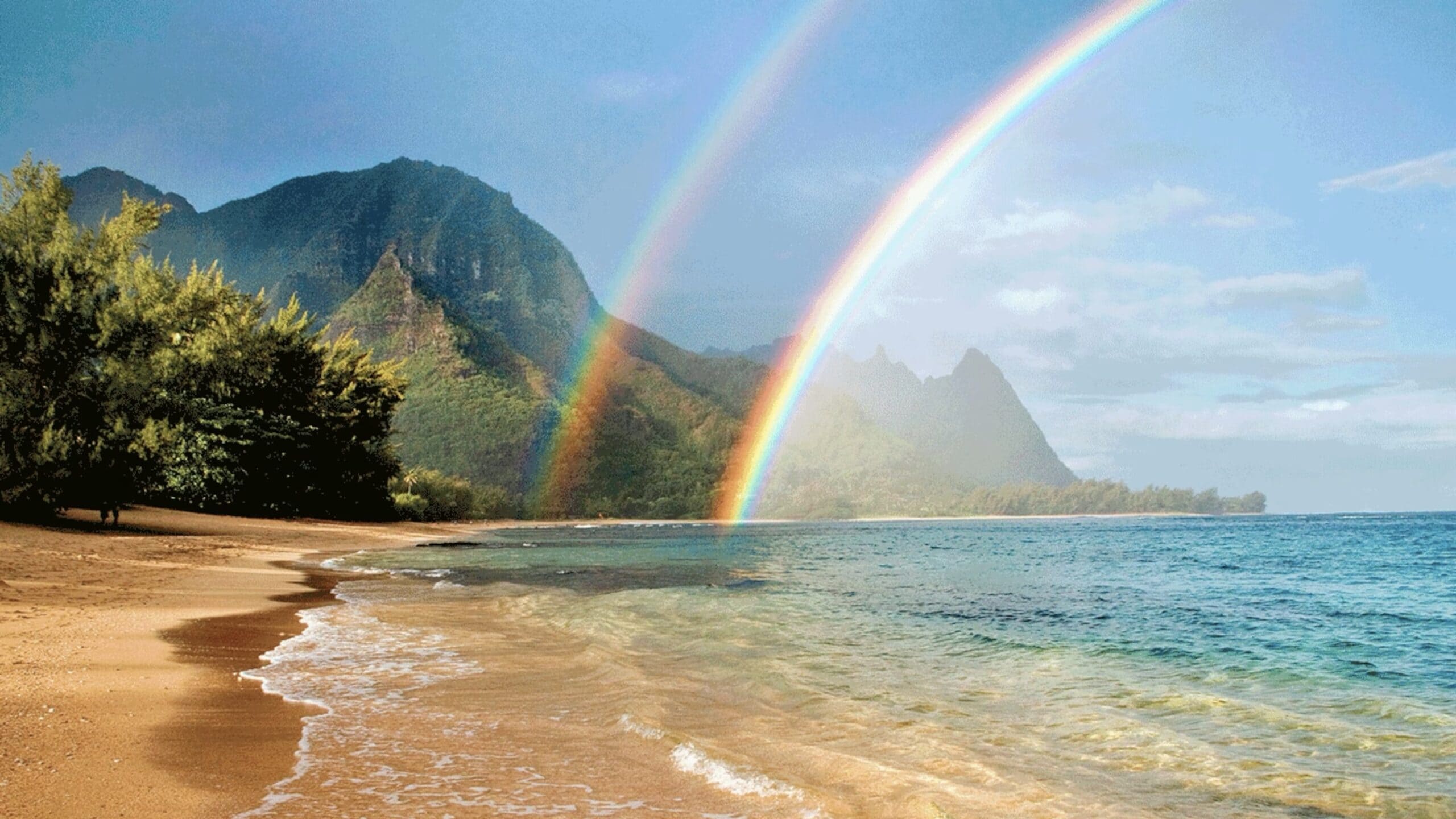
Hawaii is one of those rare destinations that feels perfect in every season.
Warm trade winds, golden sunsets, and turquoise waves make the islands a year-round escape for travelers from around the world. But while the weather is famously pleasant, there are subtle seasonal shifts that can make a big difference in the experience – and in your budget.
The best time to visit Hawaii depends on what matters most to you.
Are you chasing the driest weather for long beach days?
Hoping to catch the humpback whale migration?
Looking for the lowest hotel rates or quietest beaches?
Each season brings its own blend of climate, crowds, and costs, along with unique events and outdoor adventures.
In this guide, we will break down the seasons in Hawaii month-by-month so you can match your travel goals to the perfect time of year.
Along the way, you will find insider tips on how to save money, avoid the heaviest crowds, and even make the most of your points and miles.
Whether you are planning a romantic getaway, a family vacation, or a solo adventure, timing your trip wisely can help you experience Hawaii at its very best.
Why Timing Your Hawaii Trip Matters

One of the most appealing things about Hawaii is that it offers warm, inviting weather all year long.
Daytime temperatures typically hover between 78°F (26°C) in the winter and 88°F (31°C) in the summer, making it easy to enjoy the beach in any month. But that does not mean every week on the calendar offers the same experience.
Small changes in the season can have a big impact on your trip – and your wallet.
When planning, think about the “Three Cs”
Climate
The weather patterns in Hawaii are shaped by its tropical location and unique geography.
The islands have a wet season (November through April) and a dry season (May through October), but even during wetter months, rain often falls in short bursts.
The side of the island you choose matters too. Windward coasts tend to be greener and wetter, while leeward coasts are sunnier and drier.
Crowds
The peak travel periods in Hawaii line up with school breaks and holidays.
Late December through early January, mid-spring, and the summer months see the largest influx of visitors. This can mean busier beaches, sold-out tours, and higher prices.
Traveling during shoulder seasons – the weeks between peak periods – can give you more space to enjoy the natural beauty of Hawaii.
Cost
Airfare and hotel rates can swing dramatically depending on the time of year.
Peak seasons bring the highest prices, while late spring and early fall often offer significant savings.
TPA Pro Tip: For travelers using points and miles, these quieter seasons can also mean better award flight availability and lower hotel redemption rates.
Understanding these three factors will help you decide not only when to visit, but also how to plan your itinerary, choose your island, and get the most value from your travel budget.
Seasonal Breakdown: Weather, Crowds, And Costs
While the tropical climate in Hawaii means there is no truly bad time to visit, each season has its own rhythm. Understanding how weather, visitor numbers, and pricing shift throughout the year can help you choose the perfect travel window.
Winter In Hawaii (Late November – March)
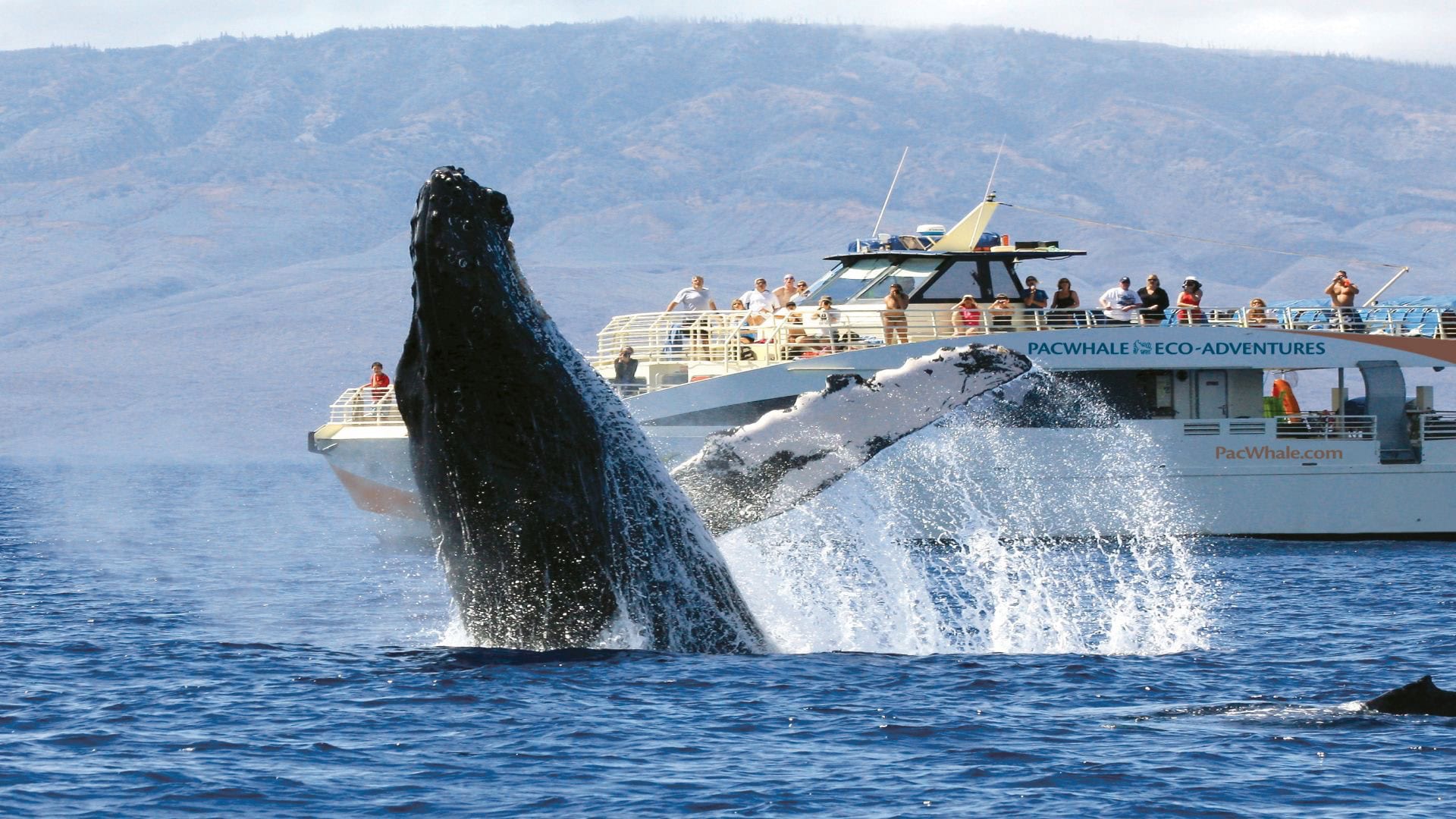
Winter in Hawaii offers a mix of dramatic ocean swells, wildlife encounters, and lively holiday energy. It is the season of big wave surf and humpback whales, but also the busiest and priciest time to visit.
- Weather: Winter marks the start of the wetter season in Hawaii, with occasional rain showers – often brief and followed by sunshine. Average highs are around 78°F (26°C), and ocean temperatures stay warm enough for swimming. This is also the season for Hawaii’s famous big waves on north-facing shores.
- Crowds and Costs: From late December through early January, the islands see their largest crowds as travelers escape cold mainland winters. This holiday stretch is the priciest time of year for both airfare and hotels, with limited availability for award redemptions. January through March remains busy, especially around school breaks.
- Why Visit: Winter is peak humpback whale season, with thousands of these gentle giants migrating to Hawaiian waters. It is also the time to witness legendary surf competitions on Oahu’s North Shore, including the Triple Crown of Surfing.
Spring In Hawaii (April – May)
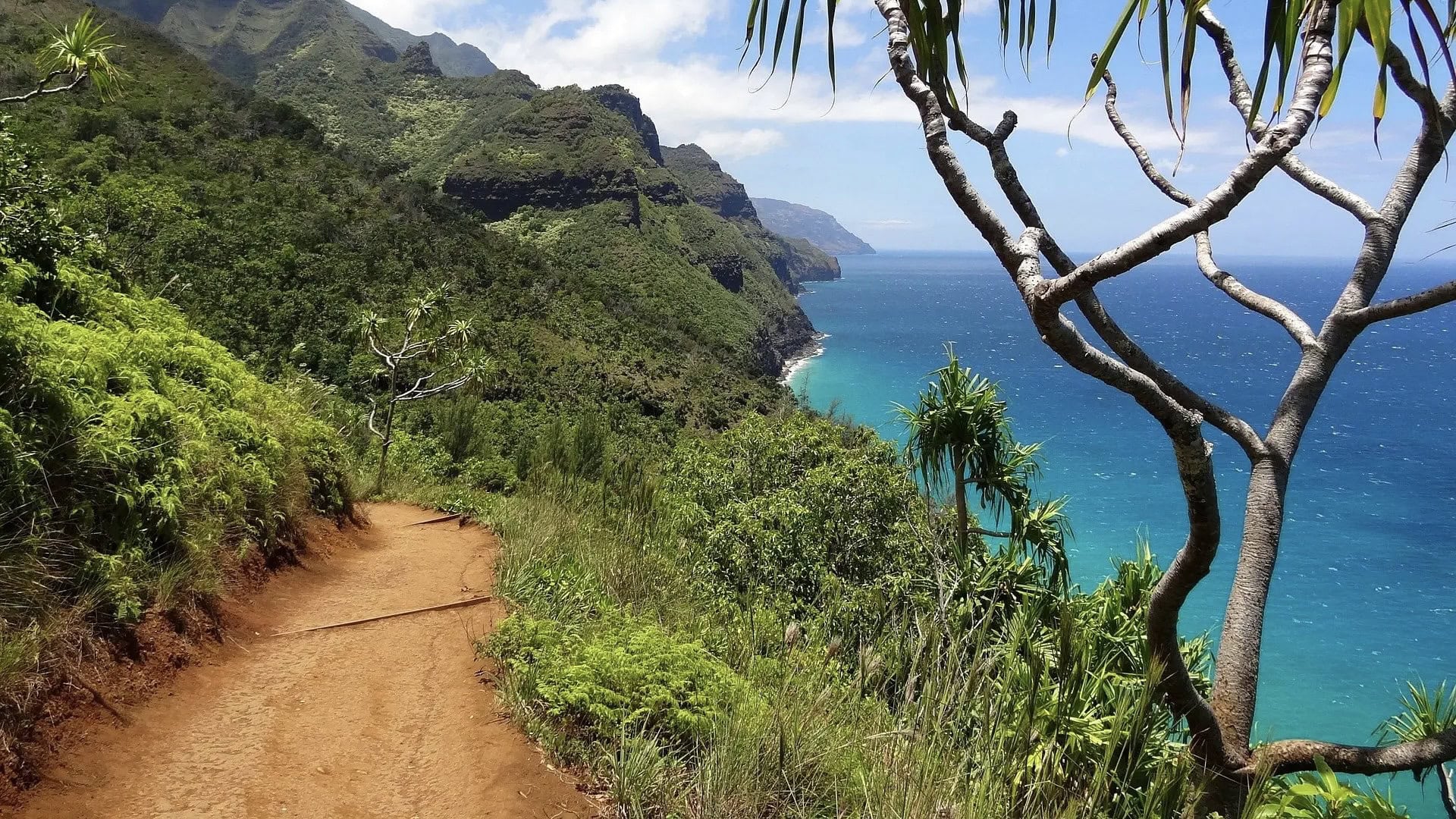
Spring is the sweet spot for Hawaii, blending comfortable weather, fewer crowds, and lower prices. It is a season that feels both relaxed and vibrant, with green landscapes and clear, calm seas.
- Weather: Spring offers comfortable temperatures, calmer seas, and less rain than winter. The dry season begins in May, and ocean conditions are ideal for snorkeling, kayaking, and paddleboarding.
- Crowds and Costs: After the spring break rush in late March and early April, visitor numbers drop significantly. This creates one of the best shoulder seasons in Hawaii, with lower prices, better award availability, and more open reservations at popular restaurants and tours.
- Why Visit: Spring is excellent for hiking, with lush green landscapes from winter rains and clear trails before the summer heat. It is also an ideal time for family trips, with kid-friendly ocean conditions and manageable crowds.
Summer In Hawaii (June – August)

Summer brings endless sunshine, warm water, and a packed calendar of festivals. It is a family favorite, but also one of the most popular and expensive times to travel.
- Weather: Summer brings long, sunny days with average highs around 85 – 88°F (29 – 31°C). Rainfall is minimal, and south-facing shores have calmer surf, perfect for beginner surfers.
- Crowds and Costs: Summer is another peak travel period due to school vacations. Prices for flights and hotels climb, and popular attractions like Hanauma Bay and Haleakalā sunrise tours book up far in advance.
- Why Visit: This is festival season across the islands, from the King Kamehameha Celebration in June to Duke’s OceanFest in August. Summer is also mango season, filling markets and menus with fresh tropical flavor.
Fall In Hawaii (September – Early November)

Fall is the hidden gem of Hawaii – warm ocean temperatures, quiet beaches, and some of the best travel deals of the year. It is an ideal season for romance, relaxation, and cultural celebrations.
- Weather: Fall may be the most underrated season in Hawaii. The ocean is at its warmest, skies are clear, and temperatures remain in the mid-80s (30s). While technically still hurricane season through November, storms are rare.
- Crowds and Costs: Fall is a prime budget window, with some of the lowest airfare and hotel rates of the year. Crowds thin dramatically after Labor Day, creating a relaxed, romantic atmosphere.
- Why Visit: Fall is perfect for couples’ getaways and quiet beach days. Events like the Hawaii Food & Wine Festival and Aloha Festivals add cultural flavor to your trip.
Best Time For Specific Activities In Hawaii
Hawaii is a destination where timing can make certain experiences even more memorable.
While you can enjoy beaches, waterfalls, and tropical scenery year-round, some activities truly shine in specific seasons. Matching your travel dates to the experiences you want most will help you get the most out of your trip.
Whale Watching In Hawaii
Few experiences in Hawaii are as breathtaking as watching humpback whales breach against a backdrop of turquoise water and volcanic peaks. Every winter, thousands of these gentle giants migrate from Alaska to the islands’ warm, shallow waters to breed, give birth, and nurture their calves.
While sightings are possible from shore, a guided boat tour offers the best chance to witness their size, power, and playful behavior up close.
Key Information
- Best Time to Visit: Late December to early April, with peak activity from mid-January to March.
- Best Islands for Whale Watching:
- Maui: The Auau Channel between Maui, Lanai, and Molokai offers some of the most consistent sightings.
- Big Island: The Kohala Coast has excellent viewing from both shore and boat.
- What to Expect: Frequent breaches, fin slaps, and tail slaps; mothers and calves often spotted together.
- Viewing Options: Shoreline lookouts, catamaran cruises, and dedicated whale-watching tours.
- Insider Tip: Book morning tours for calmer seas and clearer visibility.
- Responsible Viewing: Maintain a respectful distance – federal regulations require staying at least 100 yards away from whales.
Surfing In Hawaii

Hawaii is the birthplace of surfing, and riding its waves is a bucket-list experience for many travelers. The islands offer conditions for every skill level, from world-class breaks that challenge the best surfers in the world to gentle rollers ideal for beginners.
The key to planning a surf trip is knowing which shores deliver the right waves during your visit.
Key Information
- Best Time for Advanced Surfers: November – March, when large swells hit north-facing shores.
- Best Time for Beginners: June – September, with calmer waves on south-facing shores.
- Best Islands and Spots:
- Oahu: North Shore (Pipeline, Waimea Bay) for experts; Waikiki Beach for beginners.
- Maui: Honolua Bay for pros; Kaanapali and Kihei for beginners.
- Big Island: Honolii Beach Park for advanced surfers; Kahaluʻu Beach for novices.
- Kauai: Hanalei Bay for advanced surfers; Poipu Beach for beginners.
- Seasonal Pattern: Winter swells hit north shores, summer swells hit south shores.
- Insider Tip: Many surf schools offer early morning lessons when conditions are calmer and less crowded.
- Safety Note: Only attempt large winter waves if you have advanced skills and experience.
Snorkeling & Diving In Hawaii
The crystal-clear waters of Hawaii are home to vibrant coral reefs, colorful tropical fish, and unique marine life found nowhere else on earth. Calm ocean conditions are key for the best underwater visibility, which makes timing your trip an important part of planning your snorkeling or diving adventure.
From protected bays to offshore craters, each island offers its own signature spots.
Key Information
- Best Time to Visit: Summer through early fall (June – October) for the calmest seas and clearest water.
- Best Islands and Sites:
- Oahu: Hanauma Bay Nature Preserve (permit required, closed Mondays & Tuesdays).
- Maui: Molokini Crater (boat access) and Honolua Bay.
- Big Island: Kealakekua Bay and Puʻuhonua o Hōnaunau National Historical Park.
- Kauai: Tunnels Beach (Makua Beach) and Poipu Beach.
- What to Expect: Coral gardens, green sea turtles, spinner dolphins, and schools of tropical fish.
- Insider Tip: Go early in the morning for the calmest waters and fewer crowds.
- Safety Note: Always check local ocean conditions before entering the water, especially during winter months when surf can be rough.
Hiking In Hawaii
The trails in Hawaii take you through rainforests, across volcanic craters, along rugged coastlines, and up to panoramic ridge views.
While hiking is possible year-round, certain seasons make the experience more enjoyable with cooler temperatures, drier trails, and fewer crowds. Planning your hikes during the right window can mean clearer views and safer footing.
Key Information
- Best Time to Visit: Spring (April – May) and fall (September – October) for comfortable temperatures and minimal rain.
- Best Islands and Trails:
- Oahu: Diamond Head Summit Trail, Makapuʻu Lighthouse Trail, and the Koko Crater Stairs.
- Maui: Pipiwai Trail in Haleakalā National Park, Waiheʻe Ridge Trail.
- Big Island: Kīlauea Iki Trail in Hawaiʻi Volcanoes National Park, Pololū Valley Lookout Trail.
- Kauai: Kalalau Trail along the Nā Pali Coast, Sleeping Giant (Nounou) Trail.
- What to Expect: Waterfalls, native flora, dramatic coastlines, and volcanic landscapes.
- Insider Tip: Start hikes early to avoid midday heat and enjoy better photo lighting.
- Safety Note: Trails can be muddy and slippery after heavy rain – wear sturdy shoes and check weather before heading out.
Wildlife Spotting In Hawaii
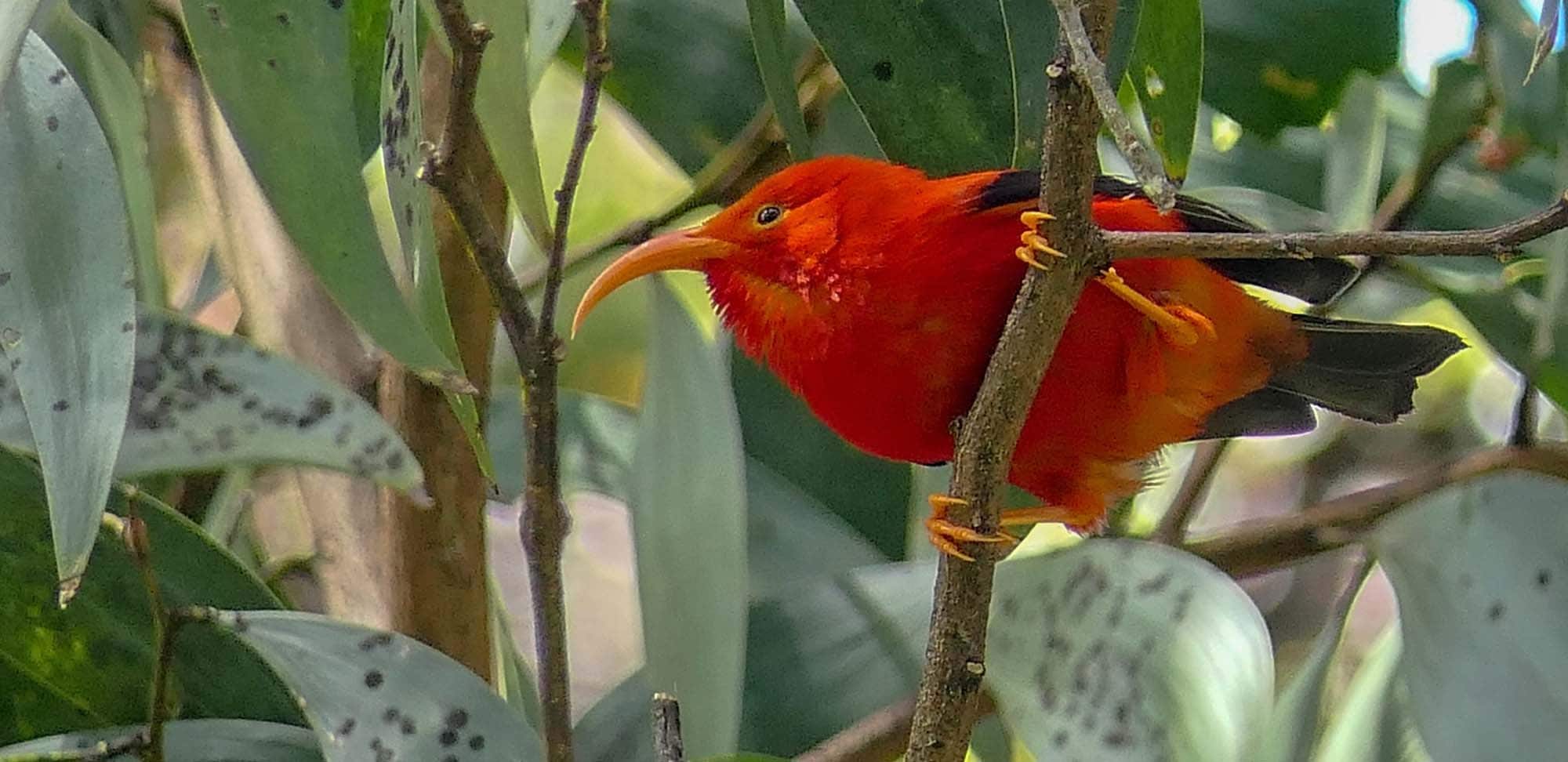
The islands of Hawaii are a haven for unique wildlife, from endangered sea turtles and monk seals to rare tropical birds. Many species can be seen year-round, but certain times of year offer better chances for specific sightings.
Respectful viewing is essential to protect both the animals and their habitats.
Key Information
- Best Time for Sea Turtles: Year-round, with increased beach nesting activity during summer months.
- Best Time for Hawaiian Monk Seals: Year-round, most frequently spotted resting on beaches in Kauai and Oahu.
- Other Wildlife Highlights:
- Spinner dolphins along the Kona Coast of the Big Island.
- Native Hawaiian birds in higher elevation forests such as those in Haleakalā National Park.
- Best Viewing Locations:
- Sea Turtles: Laniakea Beach (Oahu), Hookipa Beach (Maui), Punaluʻu Black Sand Beach (Big Island), Poipu Beach (Kauai).
- Monk Seals: Poipu Beach (Kauai), Kaʻena Point (Oahu).
- Insider Tip: Arrive early in the morning for the best chance of spotting wildlife without large crowds.
- Responsible Viewing: Maintain a minimum distance of 10 feet from sea turtles and 50 feet from monk seals; never touch or feed wildlife.
Cultural Festivals In Hawaii
The Hawaiian festivals celebrate the islands’ rich history, music, dance, and food, offering travelers an authentic way to connect with local culture. Each season brings unique events that can be the highlight of a trip, from hula competitions to culinary showcases.
Planning your visit around a festival can add unforgettable experiences to your itinerary.
Key Information
- Winter (Late November – March):
- Honolulu Marathon (December, Oahu) – One of the world’s largest marathons with scenic coastal views.
- Triple Crown of Surfing (November – December, Oahu) – Premier professional surf competition on the North Shore.
- Spring (April – May):
- Honolulu Festival (March, Oahu) – Cultural performances, parades, and art from across the Pacific Rim.
- Lei Day (May 1, statewide) – Celebrations honoring the tradition of lei-making with music and hula.
- Summer (June – August):
- King Kamehameha Celebration (June, statewide) – Floral parades and ceremonies honoring Hawaii’s first monarch.
- Duke’s OceanFest (August, Oahu) – Weeklong surf and water sports festival in Waikiki.
- Fall (September – Early November):
- Aloha Festivals (September, Oahu) – Music, hula, and cultural events, including a floral parade in Waikiki.
- Hawaii Food & Wine Festival (October – November, multiple islands) – Culinary events with local and international chefs.
- Insider Tip: Book accommodations and event tickets early, especially during popular festivals.
How To Save On Flights, Hotels, And Activities In Hawaii

Hawaii is not known as a budget destination, but timing your trip strategically can dramatically reduce your costs – and make your points and miles go further.
By traveling during the right seasons and planning ahead, you can secure award space, book hotels at off-peak rates, and even snag flight deals that make paradise far more affordable.
Travel In The Shoulder Season
The shoulder seasons in Hawaii – spring and early fall – offer warm weather, fewer crowds, and lower prices. These months fall between the peak winter and summer periods, giving travelers better value and more relaxed experiences without sacrificing great conditions.
Key Information
- Best Months: April – May and September – Early November.
- Weather: Warm, dry, and ideal for beach and water activities.
- Crowds: Smaller than peak seasons, making attractions less crowded.
- Savings: Flights often 15 – 30% cheaper; hotels and points redemptions lower than winter or summer.
- Insider Tip: September has the warmest ocean temperatures of the year.
Book Flights Early
Planning ahead is one of the easiest ways to save on airfare to Hawaii. Airlines often release the best award seats and lowest fares months before departure, especially for shoulder season travel.
Key Information
- Best Booking Window: 6 – 9 months before travel for both cash and award tickets.
- Cheapest Days to Fly: Tuesdays and Wednesdays tend to have lower fares.
- Award Travel Tip: Book early for better seat selection and availability, especially during school breaks.
- Insider Tip: Watch for flash sales from Hawaiian Airlines, Alaska Airlines, and Southwest, which can drop fares below $200 round-trip from the West Coast.
Leverage Points And Miles
Using points and miles can significantly reduce the cost of a Hawaii trip, but timing matters for finding the best value. Off-peak seasons often have lower award rates and more availability, making it easier to book both flights and hotels.
Key Information
- Best Programs for Hawaii Flights: Hawaiian Airlines HawaiianMiles, United Airlines MileagePlus, Alaska Airlines Mileage Plan, and partners like British Airways Executive Club – Avios (for West Coast departures) and Turkish Airlines Miles&Smiles
- Flexible Points: Transfer from Chase Ultimate Rewards, Amex Membership Rewards, or Capital One Miles to airline partners for more options.
- Hotel Rewards: Off-peak pricing with Marriott Bonvoy, World of Hyatt, IHG One Rewards, and Hilton Honors can save thousands of points per night.
- Booking Strategy: Consider flying into one island and out of another to save miles and expand your trip.
- Insider Tip: Search for award flights departing midweek, when demand and prices are lower.
Consider Vacation Rentals
Vacation rentals can offer more space, kitchen facilities, and a local neighborhood feel, often at a lower cost than hotels during off-peak seasons. They are especially appealing for families or longer stays.
Key Information
- Best Time for Savings: April – May and September – October when demand is lower.
- Platforms: Airbnb, Vrbo, booking.com and local property management companies.
- Average Savings: Nightly rates can be 20 – 40% less than peak season hotel prices.
- Extra Perks: Full kitchens for self-catering, laundry facilities, and larger living spaces.
- Insider Tip: Look for weekly or monthly discounts, which are common in shoulder season.
Other Considerations Before You Book
Choosing the best time to visit Hawaii involves more than just weather and prices. Seasonal weather risks, island-specific differences, and the importance of traveling responsibly all play a role in creating a smooth and rewarding trip.
Here are a few key factors to keep in mind before finalizing your plans.
Hurricane Season In Hawaii
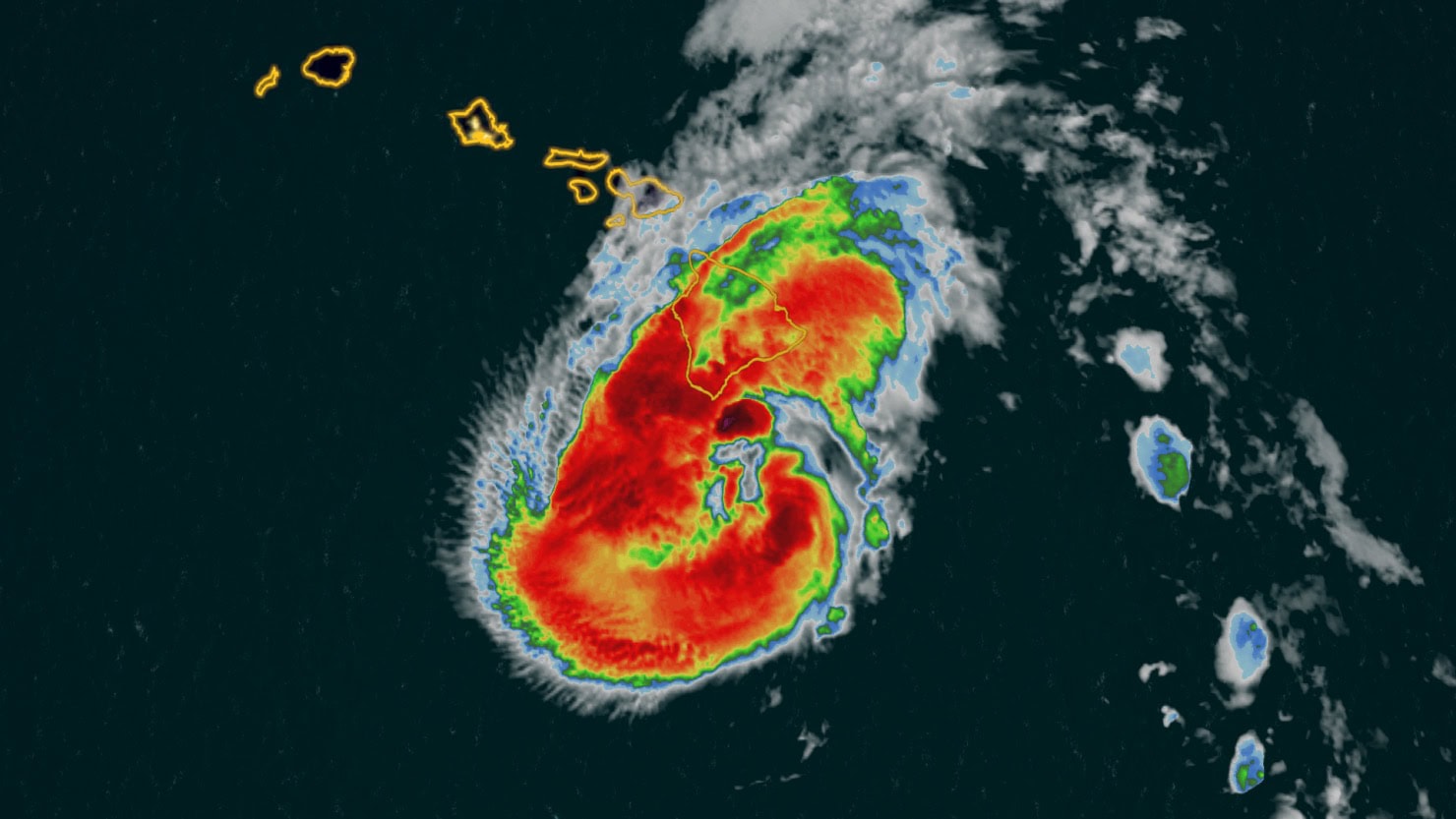
While hurricanes are rare in Hawaii, the official season runs from June 1 to November 30. Planning during this time requires a bit more flexibility.
Key Information
- Risk Level: Storms are uncommon but can disrupt travel plans.
- Peak Months: August and September.
- Travel Tip: Purchase travel insurance with weather-related coverage.
- Insider Tip: Book refundable accommodations to stay flexible if forecasts change.
Island-by-Island Nuances
Each Hawaiian island has its own microclimates and ideal seasons for visiting. Understanding these differences can help you make the most of your trip.
Key Information
- Oahu: Dry leeward side is warm year-round; North Shore has big surf in winter.
- Maui: Best whale watching from January – March; leeward beaches are sunny most of the year.
- Big Island: Diverse climates – sunny Kona Coast vs. wetter Hilo side.
- Kauai: Green year-round, but driest from May – September.
- Insider Tip: Consider splitting your stay between two islands for varied experiences.
Responsible Travel In Hawaii
Visiting Hawaii comes with the opportunity to support local communities and preserve the islands’ natural beauty.
Key Information
- Support Local: Choose locally owned restaurants, shops, and tour operators.
- Reduce Impact: Follow posted guidelines at beaches and parks, and respect wildlife distance rules.
- Cultural Awareness: Learn basic Hawaiian words and traditions to connect respectfully with locals.
- Insider Tip: Traveling in shoulder season can reduce strain on infrastructure and resources.
Final Thoughts
The Hawaiian beauty shines year-round, but choosing the right time to visit can make your experience even more rewarding.
By aligning your trip with your priorities – whether it is perfect beach weather, whale watching season, quieter trails, or the lowest prices – you can enjoy the islands at their very best.
The shoulder seasons of spring and early fall often strike the perfect balance of warm weather, manageable crowds, and better value for both cash and points bookings.
For travelers who dream of specific activities like surfing massive winter swells or snorkeling in calm summer waters, timing your trip around those seasonal highlights is worth the extra planning.
No matter when you go, approach your trip with flexibility, respect for local culture, and an eye for deals.
With the right timing, you will not just visit Hawaii – you will experience it in a way that feels personal, memorable, and perfectly suited to your travel style.