Blog >> Airport Security Programs: CLEAR vs TSA PreCheck vs Global Entry (What Actually Saves Time)
By Kevin Zanes / April 9, 2026
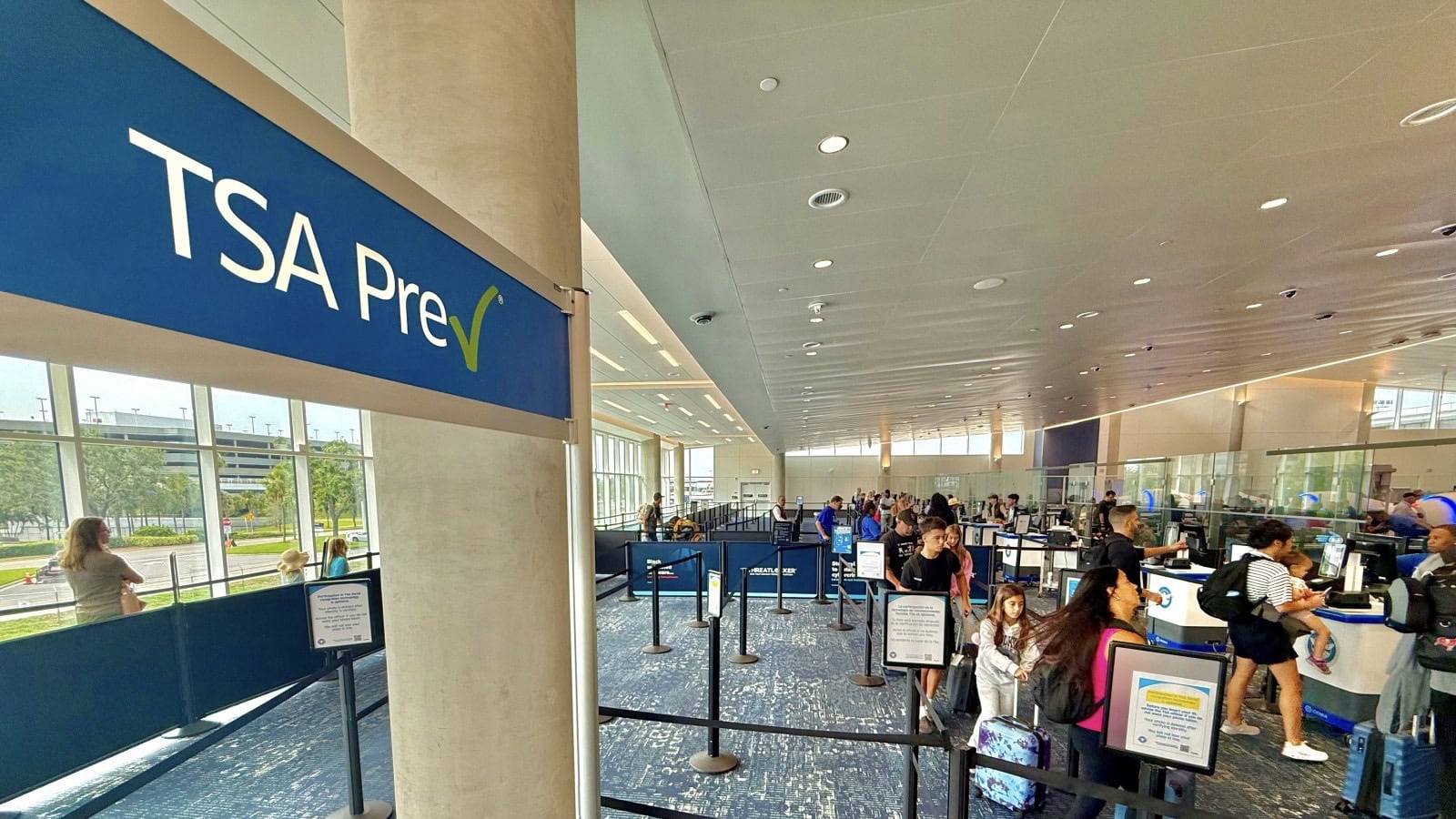
Most people pick one program, stand in what feels like a shorter line, and wonder why it barely made a difference.
You did not pick the wrong program. You picked half of the system. And that is why you are still standing in line.
CLEAR and TSA PreCheck solve different problems. Global Entry solves a third problem entirely. And there are three more programs most travelers ignore completely, even though one of them is free. This page tells you which one you actually need, which ones stack together, and which combinations are a waste of money for how you travel.
The fastest way through any airport is not one program. It is the right combination of programs for how you actually travel. After using these programs across major U.S. airports, here is the honest breakdown.
Still Waiting In Lines Even With A Program? Here Is Why.
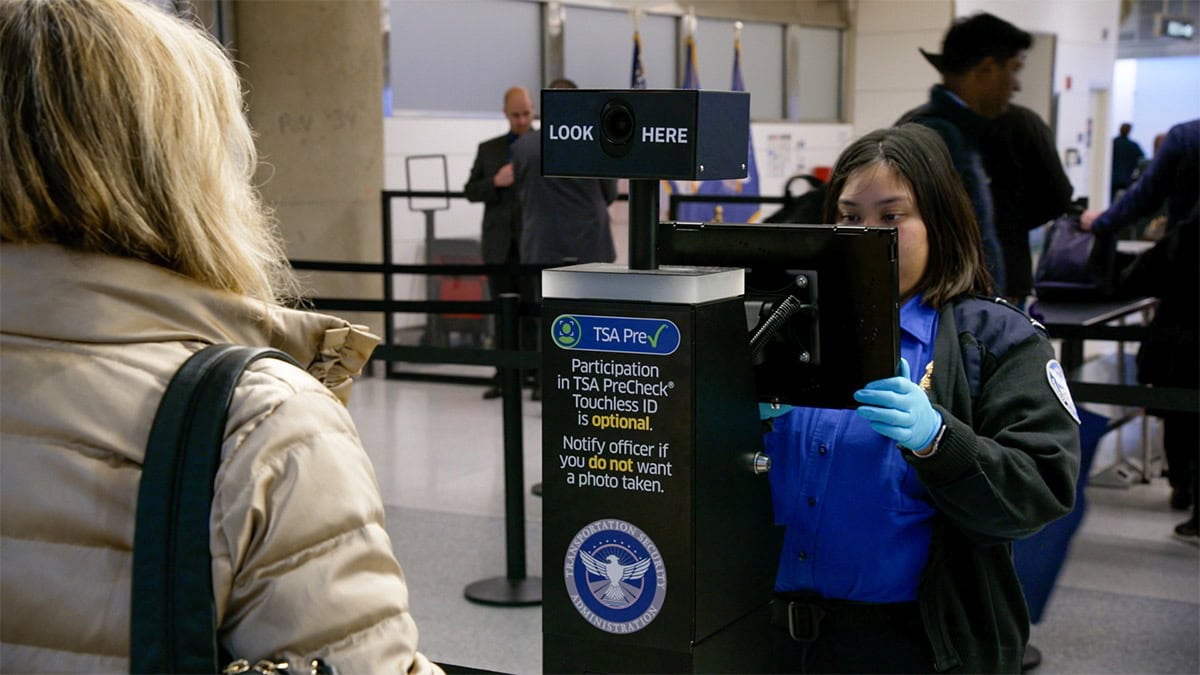
Before you look at the decision table, check if one of these sounds familiar:
- You Have CLEAR But Still Remove Your Shoes At The Scanner. CLEAR only handles the ID check at the front of the line. Everything after it is still standard screening. Without TSA PreCheck, you go through the regular lane like everyone else.
- You Have TSA PreCheck But The Line Is Still Slow. TSA PreCheck gets you into a dedicated lane where you keep your shoes on. It does not skip the identity check at the front. That is CLEAR’s job. Without CLEAR, you still show your ID to an officer.
- You Have Global Entry But Still Dread Departure Lines. Global Entry only helps when you re-enter the United States from abroad. It does nothing for departures. Your departures need TSA PreCheck (which is included in Global Entry) and optionally CLEAR on top of that.
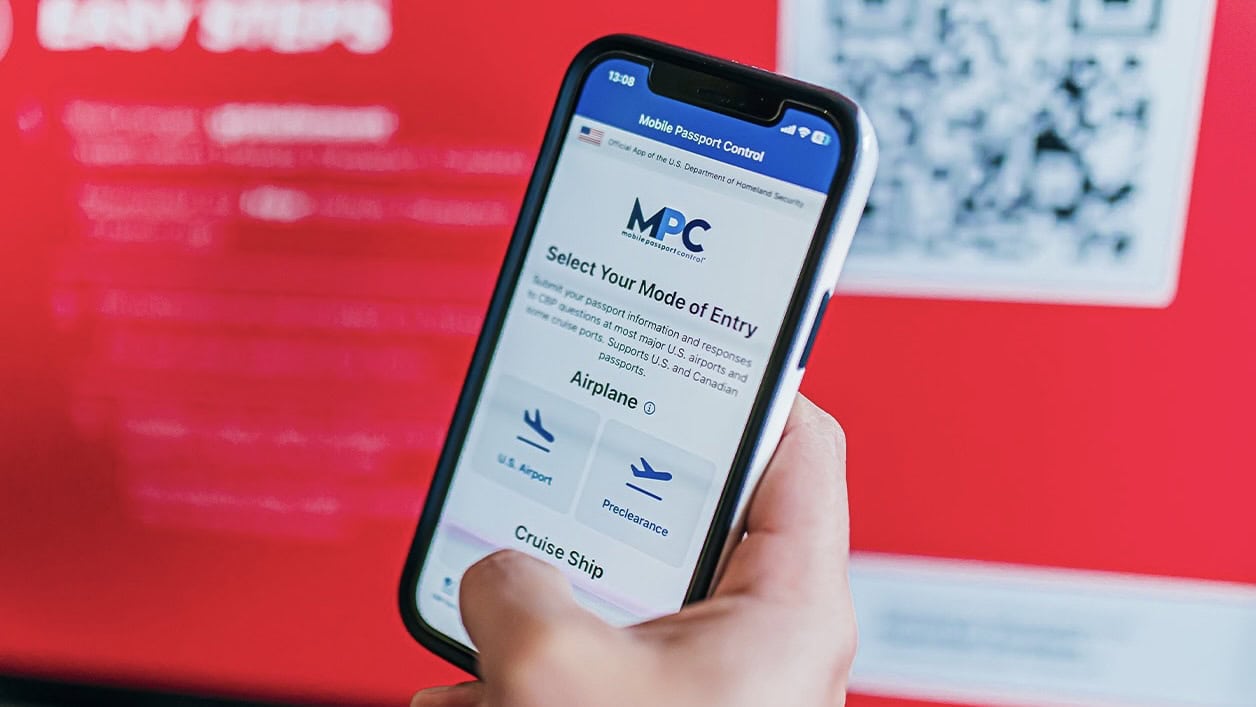
- You Skipped Mobile Passport Control Because It Seemed Too Simple To Matter. Mobile Passport Control (MPC) is a free app. At participating airports, it cuts customs wait times significantly for people who do not have Global Entry. Ignoring it costs you nothing to fix.
Which Program Do You Actually Need?
Find your situation. Get the answer. Done.
| Your Situation | Get This | Skip This | Time Saved | Urgency |
| Fly domestic only, 4+ times/year | TSA PreCheck | Global Entry (no international benefit) | 5 to 15 min at departure | Do it now |
| Fly internationally even once a year | Global Entry (TSA PreCheck included) | TSA PreCheck standalone | 30 to 60 min on return + departure lane | Do it now |
| Hate lines more than anything | CLEAR + TSA PreCheck | Either alone is half a solution | 15 to 25 min at busy hubs | High priority |
| Cross U.S.-Canada border regularly | NEXUS (cheapest full-service option) | Global Entry if air-only | Departure lane + customs both directions | High priority |
| Cross U.S.-Mexico land border regularly | SENTRI | Global Entry if air-only | Land border + departure lane | High priority |
| Occasional international traveler, no program yet | Mobile Passport Control (it is free) | Nothing else needed right now | 10 to 20 min at customs, varies by airport | Easy, do it today |
See how CLEAR and TSA PreCheck actually compare head-to-head →
Most people realize they chose the wrong program after their first international trip or their first peak-hour departure. You do not need to make that mistake.
If You Only Read One Thing
Fly domestic only: get TSA PreCheck.
Fly internationally, even occasionally: get Global Entry. It includes TSA PreCheck.
Want maximum speed at departure: stack CLEAR on top of TSA PreCheck.
Not ready to pay for anything: download the Mobile Passport Control app before your next international trip. It is free and takes five minutes.
How The System Actually Works
Every airport trip has two checkpoints on departure and one on arrival. Each program only speeds up one of them.
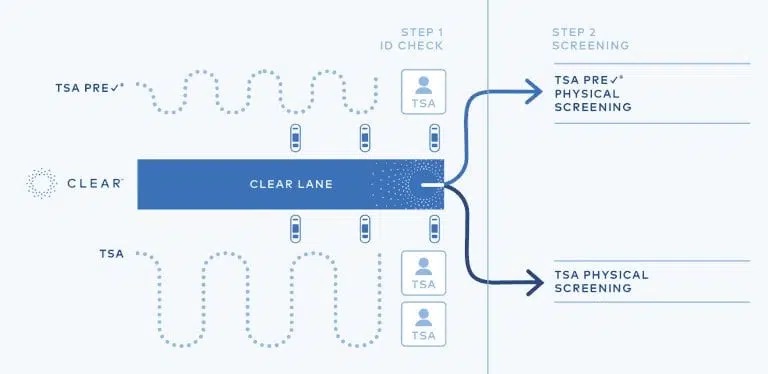
Here is the map:
- Departure Step 1 (ID Check): CLEAR solves this.
- Departure Step 2 (Security Screening): TSA PreCheck solves this.
- Arrival Step 1 (Customs On Return): Global Entry, NEXUS, SENTRI, or Mobile Passport Control solves this.
If you remember nothing else: CLEAR = ID check. TSA PreCheck = security screening. Global Entry = customs.
That model is why stacking programs works. You are not doubling up. You are covering different steps.
CLEAR: Identity Verification
CLEAR uses biometrics (your fingerprint or iris scan) to confirm who you are. It replaces the ID check at the front of the security line. A CLEAR agent or kiosk scans you, verifies your identity in seconds, and walks you past the ID check queue.
What CLEAR does NOT do: it does not get you into a faster screening lane. Without TSA PreCheck, you still remove your shoes, pull out your laptop, and go through standard screening on the other side. CLEAR alone saves you the ID check time. That is it.
At a busy airport on a Monday morning, that ID check time can be 10 to 30 minutes. At a small regional airport with four people in line, it is basically nothing.
See which airports are actually worth it →
TSA PreCheck: Risk-Based Screening
TSA PreCheck is a background check program. Once you enroll and pass, TSA flags your boarding pass with a PreCheck indicator. At the airport, you use a dedicated TSA PreCheck lane where the rules are different: No shoes off. No laptop juggling. No slow-motion unpacking while everyone behind you sighs. Jacket stays on too.
The speed comes from two things: the lane is shorter, and the process is faster. TSA PreCheck does absolutely nothing at immigration or customs. It is a departure-only benefit.
TSA PreCheck is strongest at airports where the standard screening line is slow. At a small airport with a two-minute standard line, you will still notice the difference but not dramatically. At Atlanta (ATL) or Chicago (ORD) at 7am, the gap between TSA PreCheck and standard security can be 20 minutes or more, based on peak-hour conditions at major U.S. airports.
Global Entry, NEXUS, and SENTRI: Border Control Programs
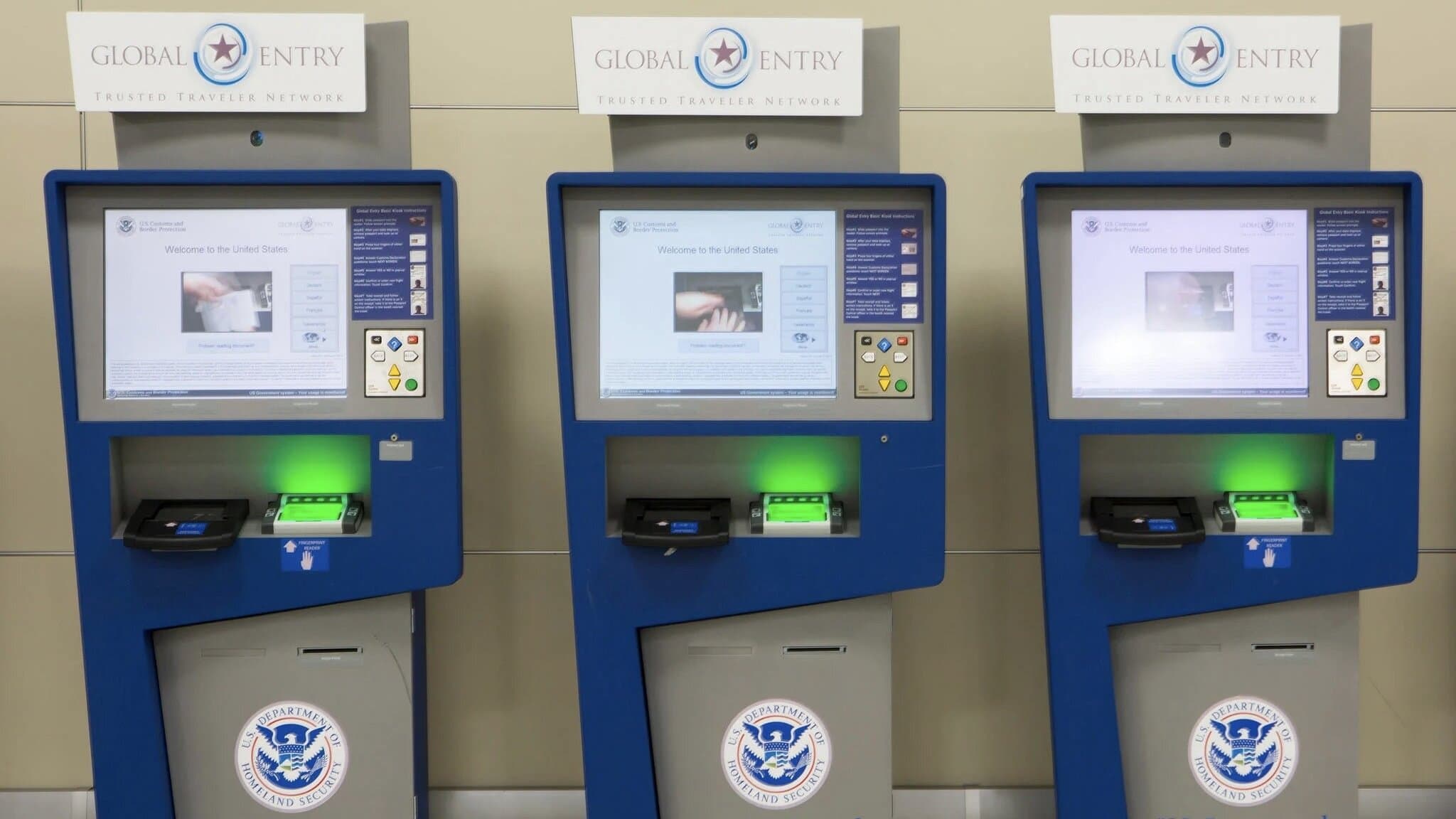
These three are CBP (Customs and Border Protection) programs. They cover what happens when you return to the United States from an international trip.
Instead of standing in the officer queue at customs, you walk to a kiosk, scan your passport and fingerprints, and clear customs in under two minutes. The standard immigration line at New York (JFK), Miami (MIA), or Los Angeles (LAX) during a peak international arrival bank can run 45 to 90 minutes. That is the actual gap these programs close.
All three include TSA PreCheck automatically. None of them replace CLEAR.
The difference between the three:
- Global Entry ($120, 5 years): Covers U.S. airports on return from any international destination. The most broadly useful program for international travelers.
- NEXUS ($50, 5 years): Covers U.S.-Canada border crossings in both directions, including dedicated lanes at participating airports and land border crossings. Includes TSA PreCheck. The most underpriced program in the lineup.
- SENTRI ($122.25, 5 years): Covers U.S.-Mexico land border crossings. Less useful for air-only travelers but essential if you cross by car regularly.
Compare Global Entry and TSA PreCheck side by side →
Mobile Passport Control: The Free Shortcut
MPC is an app, it is free, and most travelers have never heard of it. Before you land, you submit your passport details and customs declaration through the app. At participating U.S. airports, you use a separate MPC queue at customs instead of the standard officer line.
MPC is not as fast as Global Entry kiosks. It still involves an officer reviewing your submission. But at airports where both the Global Entry kiosk line and the standard officer line are backed up, the MPC lane is often the shortest of the three. It is the most overlooked shortcut in the entire space.
MPC is available at around 30 US airports.
See if MPC is enough for your trips →
Travel Nerd Tip: CLEAR At Large Hubs vs Small Airports
At high-volume airports like Atlanta (ATL), Los Angeles (LAX), Denver (DEN), and New York (JFK), CLEAR can save 15 to 25 minutes during peak morning hours. The ID line at these airports during the rush hour is genuinely long. At smaller regional airports, CLEAR lanes are often empty or unmanned entirely. The math changes completely depending on where you fly most.
Travel Nerd Tip: The Real Value Of Global Entry
Global Entry kiosks at major U.S. entry airports (JFK, MIA, LAX, ORD) typically clear you in under two minutes. The standard immigration line at those same airports during a peak international arrival bank can run 45 to 90 minutes. That is the gap Global Entry closes, and it is why $120 for five years is one of the best deals in travel.
Why These Programs Work Better At Some Airports Than Others
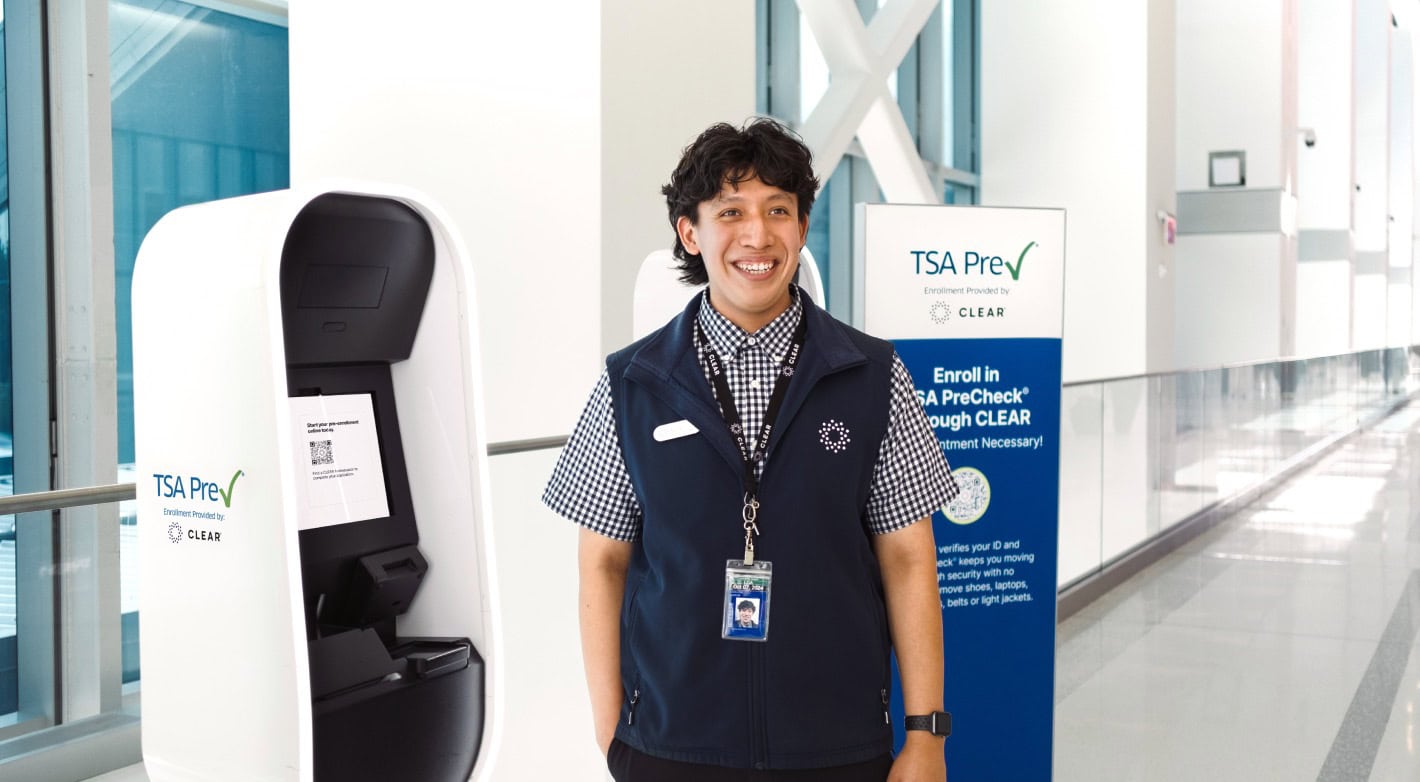
“I tried CLEAR and it did not seem to do anything.” If that is you, here is what happened.
- CLEAR Is Strongest At Large Hubs With Long ID Lines. At Atlanta (ATL), Los Angeles (LAX), New York (JFK), and Chicago (ORD), the standard ID queue during peak morning hours can run 10 to 25 minutes on its own. CLEAR eliminates that wait entirely. At smaller regional airports where the ID line is already two people deep, CLEAR saves you almost nothing.
- TSA PreCheck Is Strongest Where Standard Screening Lanes Are Slow. The dedicated TSA PreCheck lane is always faster than the standard lane, but the gap is widest at busy airports with high volume. At a small airport with one checkpoint and ten people in line, the benefit is real but modest.
- MPC Varies Heavily By Airport Staffing And Layout. At some airports the MPC queue is almost empty and moves faster than the Global Entry kiosk line. At others, the lanes are understaffed and the benefit disappears. It is the least predictable program in the lineup, which is also why it is free.
Check the airports where this actually matters →
Quick Comparison: CLEAR vs TSA PreCheck
CLEAR is identity verification. TSA PreCheck is risk-based screening. They solve steps 1 and 2 of the same security process. Neither replaces the other. Most frequent domestic flyers need both to get the full benefit at departure.
Quick Comparison: Global Entry vs Mobile Passport Control
Global Entry uses a kiosk, costs $120, and is available at more airports. MPC uses a free app and is slower but costs nothing. MPC is the right move if you travel internationally less than two to three times a year and are not ready to commit to a full program yet. Once you are flying internationally three or more times a year, Global Entry pays for itself quickly.
Quick Comparison: Global Entry vs TSA PreCheck
Global Entry includes TSA PreCheck. If you fly internationally even once a year, getting TSA PreCheck as a standalone is leaving $42 on the table. The only reason to get TSA PreCheck alone is if you are genuinely certain you will never fly internationally. Most people cannot say that.
All Six Programs Compared
Last updated: April 2026. Program fees and card benefits change. Verify before booking.
| Program | Cost | Speeds Up Security? | Speeds Up Customs? | Validity | Free With A Card? | Best For |
| TSA PreCheck | $78 | Yes (dedicated lane) | No | 5 years | Yes (many cards) | Domestic flyers |
| CLEAR | $189/yr | Yes (skips ID check) | No | Annual | Yes (Amex Platinum, Delta, United cards) | Busy hub airports |
| Global Entry | $120 | Yes (PreCheck included) | Yes (US arrivals) | 5 years | Yes (many premium cards) | International flyers |
| Mobile Passport Control | Free | No | Faster customs queue | Per trip | N/A, always free | Occasional international travelers |
| NEXUS | $50 | Yes (PreCheck included) | Yes (US + Canada) | 5 years | Check your card | US-Canada travelers |
| SENTRI | $122.25 | Yes (PreCheck included) | Yes (US + Mexico) | 5 years | Few cards | US-Mexico land border crossers |
Which Programs Stack Together (And Which Ones Do Not)
The right stack depends on how often you fly and where you go.
| Stack | What You Actually Get | Combined Cost | Verdict |
| CLEAR + TSA PreCheck | Biometrics skip the ID check. TSA PreCheck skips the shoe and laptop shuffle. Fastest possible domestic setup. | ~$267/yr | Best domestic combo |
| Global Entry + CLEAR | Global Entry handles customs on return. CLEAR + TSA PreCheck handles departures. Full coverage in both directions. | ~$309 upfront, then $189/yr | Best all-around stack |
| NEXUS + CLEAR | Cheapest full-service combo for U.S.-Canada travelers. TSA PreCheck is included in NEXUS. | ~$239 upfront, then $189/yr | Best value for U.S.-Canada travelers |
| Global Entry + MPC | Redundant. Global Entry already covers customs. Mobile Passport Control adds nothing once you have Global Entry. | Waste of app storage | Skip it |
| TSA PreCheck alone, no CLEAR | Dedicated lane, shoes stay on. Still need to show ID at the front. Good enough for most travelers. | $78 every 5 years | Fine for most |
Two situations come up more than any other:
If You Only Fly Domestically: Get TSA PreCheck. That is the whole answer. Global Entry gives you nothing for domestic trips, and there is no reason to pay $42 more for customs coverage you will never use. If you later decide to fly internationally, you can apply for Global Entry and your TSA PreCheck is already covered.
If You Fly Internationally But Still Have TSA PreCheck Only: This is the single most common mistake in this space. You paid $78 for half of what Global Entry gives you for $120. The $42 gap covers five years of customs protection. Go apply for Global Entry now. Your TSA PreCheck enrollment transfers over automatically through your Known Traveler Number.
Build the full setup for your travel style →
Common Mistakes That Waste Your Time and Money
These are the mistakes that feel reasonable at the time and cost you every single trip after.
- Getting TSA PreCheck When You Already Fly Internationally At Least Once A Year. You paid $78 for half of what Global Entry gives you for $120. The $42 difference includes five years of customs coverage. That is the worst deal in this entire space.
- Paying $189 Per Year For CLEAR Without TSA PreCheck. CLEAR gets you to the front of the ID line. Then you join the standard screening queue with everyone else. You just paid to save three minutes and lose ten.
- Ignoring MPC Because It Seems Too Simple To Matter. It is a free app, it takes five minutes to set up, and it cuts your customs wait on return from international trips. There is no reason not to have it, even if you later get Global Entry.
- Assuming Global Entry Helps At Departure. It does not. Global Entry covers customs on arrival. Your departures still need TSA PreCheck (which is included in Global Entry) and optionally CLEAR. Getting Global Entry and then wondering why the outbound line still takes forever is the most common letdown in this space.
- Skipping NEXUS If You Cross The U.S.-Canada Border Regularly. NEXUS costs $50, includes TSA PreCheck, covers customs in both directions at the U.S.-Canada border, and has dedicated lanes at participating airports. It is the most underpriced program in the entire lineup.
Quick Look at Each Program
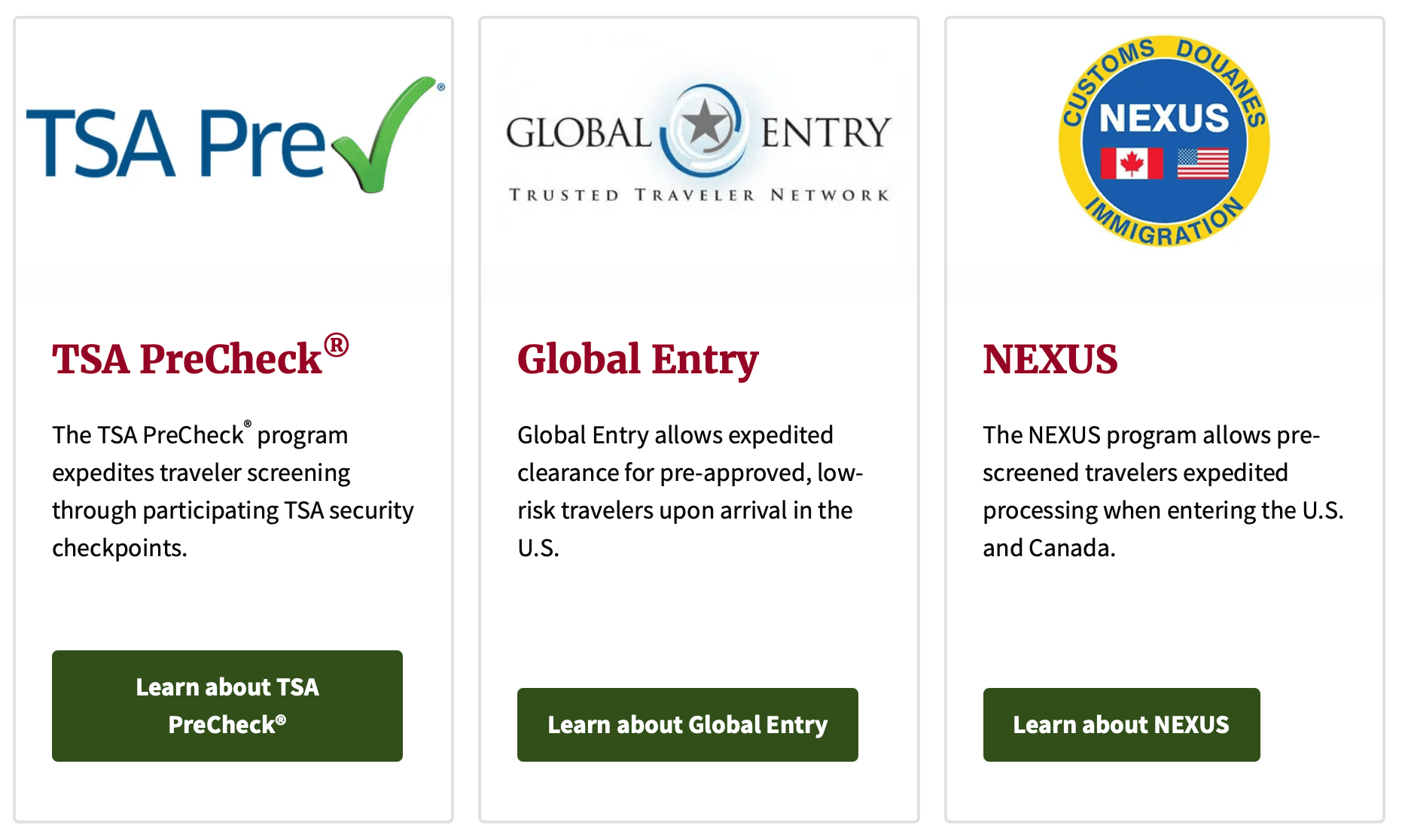
Every program on this list solves a specific problem. Here is which one matches yours.
TSA PreCheck
TSA PreCheck is the foundation. If you fly more than a few times a year and do not have it, you are making every departure harder than it needs to be. The dedicated lane is shorter. The process is faster. No shoes off, no laptop out, no standing there reorganizing your entire bag because the person in front of you forgot about their water bottle. It is $78 for five years, which works out to about $1.30 per month.
The one thing to know: if you fly internationally at all, stop here and go read the Global Entry section. TSA PreCheck is included in Global Entry, and the price difference is $42.
See if TSA PreCheck is enough for your trips →
CLEAR
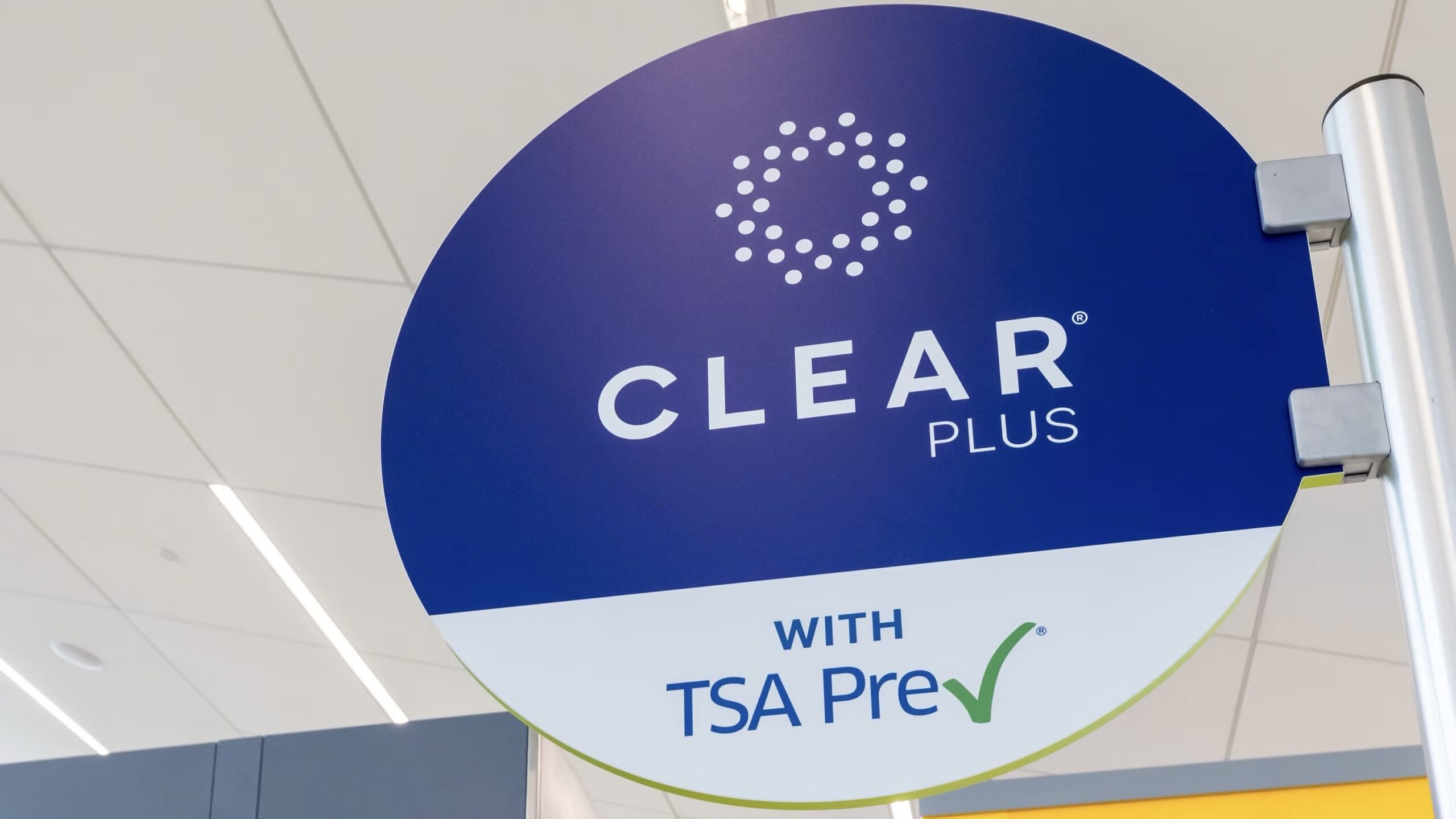
CLEAR is the most visible program at airports and the most misunderstood. The biometric kiosks and the blue-shirted agents are hard to miss. But CLEAR only solves one thing: the ID check at the front of the security line.
At a packed hub airport on a Monday morning, that ID check line can eat 15 to 20 minutes. At a small regional airport, it might save you 90 seconds. CLEAR costs $189 per year, but several credit cards and airline programs cover it or reduce the cost significantly.
Get CLEAR free with the right card →
Global Entry
Global Entry is the right program for almost everyone who travels internationally, even occasionally. It costs $120 for five years, it includes TSA PreCheck automatically, and it replaces the customs line on return from international trips with a two-minute kiosk process.
The one catch: you need to pass a background check and complete an in-person interview. Approval typically takes a few weeks to a few months depending on demand. Apply early.
Compare Global Entry and TSA PreCheck side by side →
Mobile Passport Control
Mobile Passport Control is the only program on this list that costs nothing. Download the app, register your passport, and submit your customs declaration before you land. At participating airports you use a separate MPC lane instead of the standard officer line.
MPC does not require a background check, an interview, or any enrollment fee. It works immediately after you download it. If you have no other program and you are flying internationally this week, download it before you go.
See if MPC is enough for your trips →
NEXUS
NEXUS is the best-kept secret in this space. It costs $50 for five years, includes TSA PreCheck, and covers U.S.-Canada border crossings in both directions by air and land. If you cross the U.S.-Canada border regularly and do not have NEXUS, you are overpaying for whatever you have instead.
The caveat: both the United States and Canada need to approve your application, and the process takes longer than Global Entry. Confirm current application wait times before planning around it.
See the full NEXUS breakdown →
SENTRI
SENTRI is a specialized program designed for frequent U.S.-Mexico land border crossers. It covers vehicle lanes and pedestrian crossings at the southern border and includes TSA PreCheck. If you live near the border or make regular road trips into Mexico, SENTRI is worth it. If you travel to Mexico only by air, Global Entry is the better fit.
See the full SENTRI breakdown →
Credit Cards That Cover The Fees
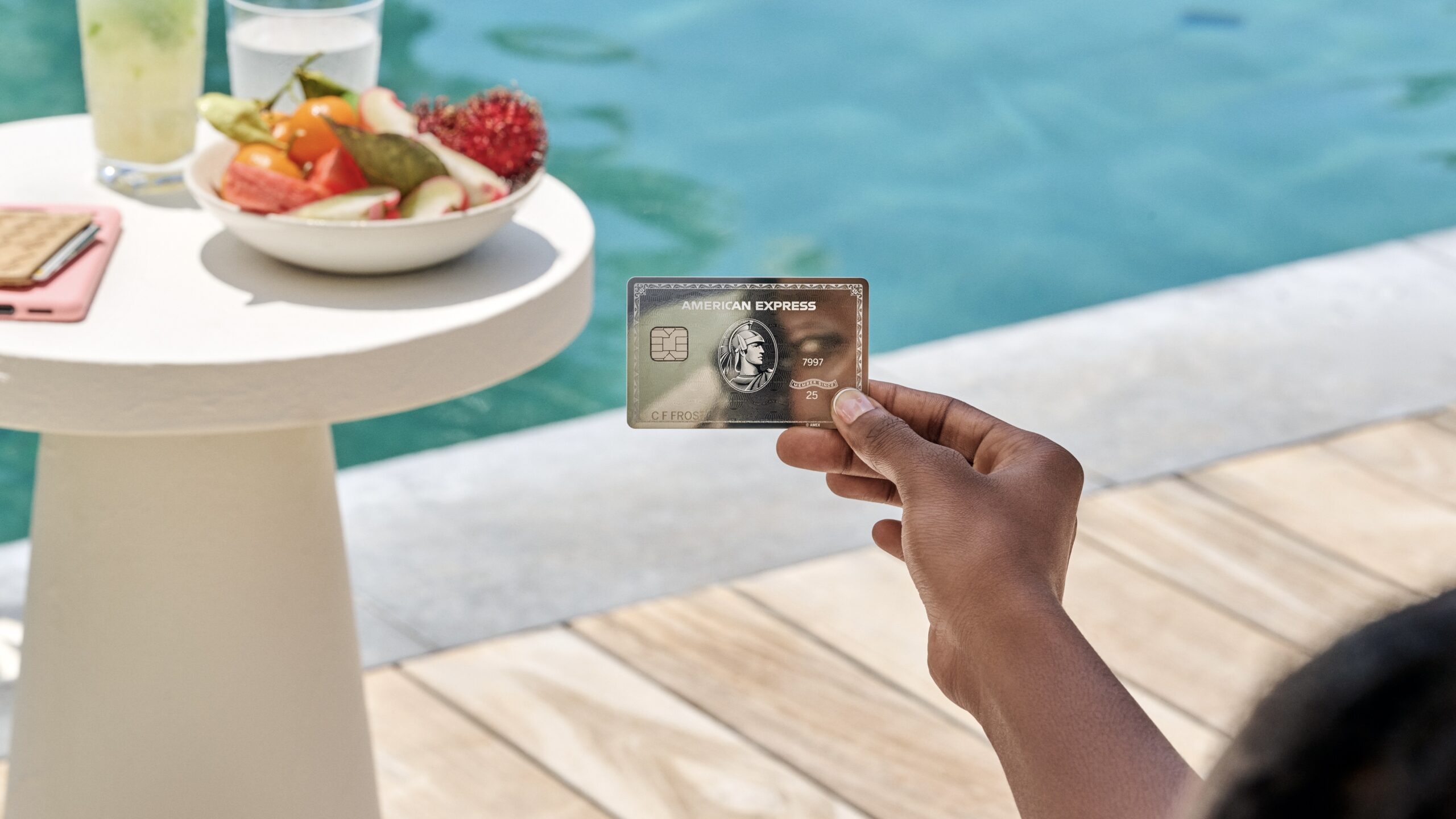
Most of these programs can be covered entirely by your credit card, which changes the math significantly.
- Global Entry ($120): Covered as a statement credit by the Chase Sapphire Reserve®, American Express Platinum Card®, Capital One Venture X Rewards Credit Card, and a growing number of other premium cards.
- TSA PreCheck ($78): Covered by a wider range of mid-tier cards, including several airline and hotel co-branded cards.
- CLEAR ($189/yr): Covered by the American Express Platinum Card®. Delta and United co-branded cards offer discounted CLEAR memberships at $119/yr for cardholders and their authorized users.
If you are paying out of pocket for any of these programs, you are doing it wrong.
See the cards that cover the fee in full →
Frequently Asked Questions
Is CLEAR Worth It If I Already Have TSA PreCheck?
Yes, at busy airports. With TSA PreCheck, you already have a faster screening lane. CLEAR adds biometric identity verification at the front of that lane, cutting the ID check step. At high-volume airports like Atlanta (ATL), New York (JFK), or Los Angeles (LAX) during morning rush, the combined setup saves meaningfully more time than TSA PreCheck alone. At small airports, the difference shrinks.
Is Global Entry Faster Than Mobile Passport Control?
Yes. Global Entry uses a dedicated kiosk that processes you in under two minutes at most airports. MPC still requires an officer to review your submission, which takes longer. Global Entry is also available at more airports. MPC is the better choice only if you do not have Global Entry yet and need something free right now.
Can You Use CLEAR Without TSA PreCheck?
Yes, but you probably should not pay for it that way. CLEAR gets you past the ID check and into the regular screening queue. Without TSA PreCheck, you still remove your shoes and laptop. You paid $189 a year to save a few minutes at the front and slow down at the back. Stack CLEAR with TSA PreCheck or do not bother.
Does Global Entry Include TSA PreCheck?
Yes. Global Entry includes TSA PreCheck automatically. When you enroll in Global Entry, your Known Traveler Number (KTN) works for TSA PreCheck lanes at domestic airports. This is why most frequent travelers who fly internationally should apply for Global Entry instead of TSA PreCheck as a standalone. It costs $42 more and covers both for five years.
What Happens At Airports Where CLEAR Is Not Available?
You go through the standard ID check line. CLEAR operates at around 50 U.S. airports, so there are plenty of airports where it simply does not exist. At those airports, your TSA PreCheck lane is still available. CLEAR does not affect your TSA PreCheck access in any way.
How Long Does Global Entry Approval Take?
Processing time varies. Conditional approval (the background check phase) can take anywhere from a few days to a few months depending on application volume. After conditional approval, you schedule an in-person interview at a Global Entry enrollment center, which can add more wait time at busy locations. Some airports offer enrollment on arrival if you are returning from an international trip. Apply at least three to six months before you plan to use it.
Is NEXUS Better Than Global Entry?
For U.S.-Canada travelers, yes. NEXUS costs $50 versus $120 for Global Entry, includes TSA PreCheck, and covers customs in both directions at the U.S.-Canada border, including land crossings. Global Entry only covers U.S. airports on arrival and does not help at the land border. If you never cross into Canada, Global Entry is the better fit. If you cross the U.S.-Canada border regularly, NEXUS is the smarter program at a lower price.
Final Thoughts
You will spend more time in security lines this year than it takes to sign up for any program on this page. Do the math.
The right starting point for most people is simple: fly domestic only, get PreCheck. Fly internationally, get Global Entry. Add CLEAR on top when you are ready to fully eliminate the departure line. Everything else is a specialty program for a specific situation.
The fastest way through any airport is not one program. It is the right combination. Most people never fix that. You now can.