Blog >> How To Spend 48 Hours In Kyoto: The Perfect 2-Day Itinerary
By Kevin Zanes / August 18, 2025
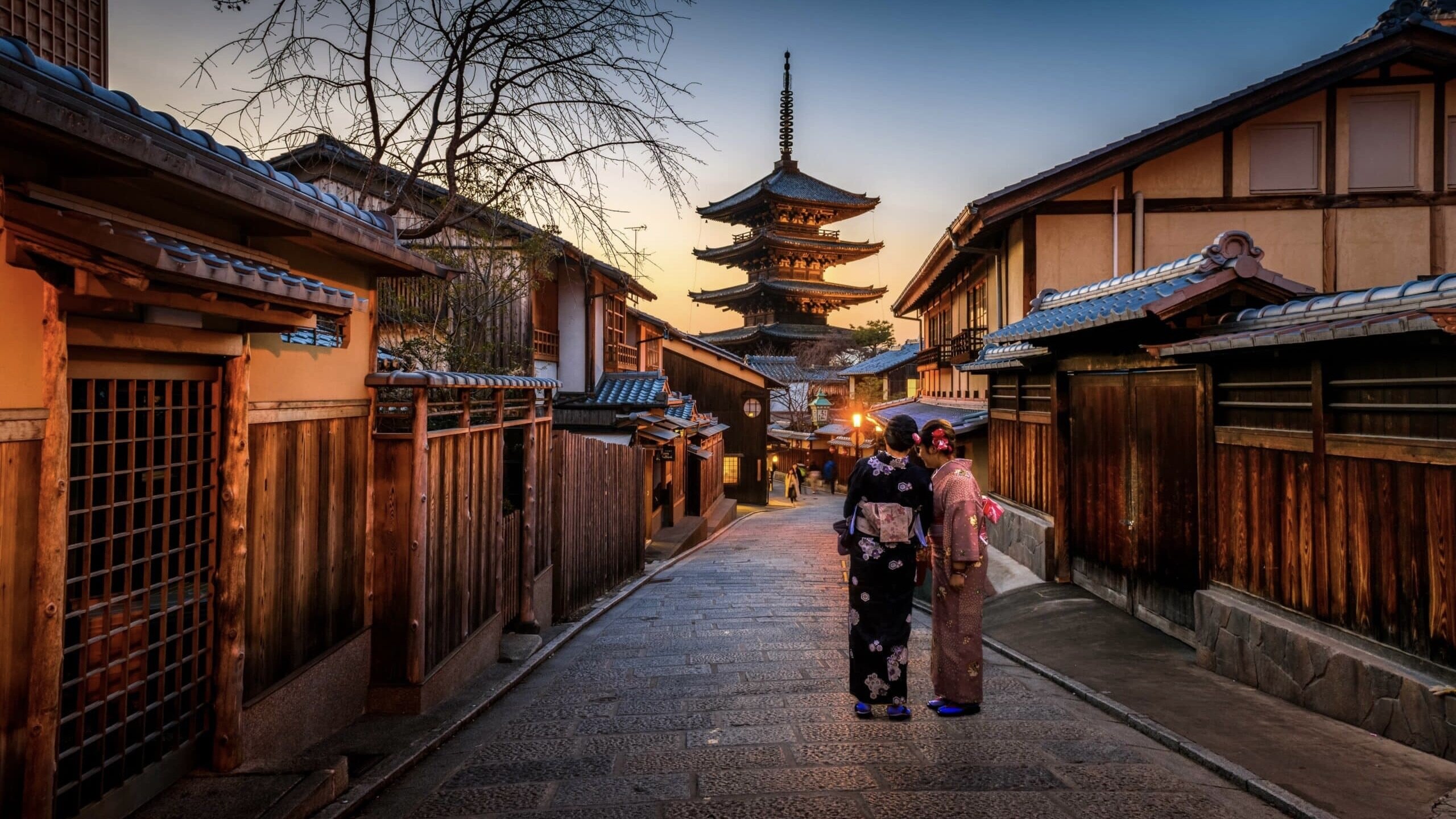
Kyoto is the city where the past and present of Japan live side by side.
Golden temples sit next to modern cafés, ancient tea houses share streets with boutiques, and quiet bamboo forests are only a short train ride from bustling markets.
Many travelers think they need a full week to experience the best of Kyoto, but even 48 hours can reveal the magic that makes this city unforgettable.
This guide will show you how to spend 48 hours in Kyoto with a perfect two-day itinerary that balances cultural landmarks, hidden streets, and incredible food. You will discover which neighborhoods are worth your limited time, the must-see temples and shrines, and the meals you should not miss.
Whether you are stopping in Kyoto on a Japan Rail adventure, planning a weekend escape from Tokyo or Osaka, or simply short on time, this itinerary will help you capture the very best of the city.
By the end, you will know exactly how to plan your 2 days in Kyoto, how to get around, and where to stay for the most authentic experience.
Let’s begin your journey through the cultural heart of Japan.
Why Visit Kyoto In 48 Hours
Kyoto is often called the cultural capital of Japan. Once the imperial capital, the city is home to over 1,600 Buddhist temples, 400 Shinto shrines, 17 UNESCO World Heritage Sites, and centuries of preserved traditions.
Walking through Kyoto feels like stepping into another time, yet it remains easy to navigate, modern, and welcoming for visitors.
For travelers with only a short stay in Japan, Kyoto is an excellent choice.
The city is less than three hours from Tokyo by Shinkansen (bullet train) and under an hour from Osaka, which makes it simple to add to any Japan itinerary.
With a well-planned schedule, you can see the highlights, experience the food scene, and enjoy both quiet cultural moments and lively local streets.
Two days in Kyoto gives you enough time to:
- Visit the most iconic temples and shrines in the city, including Fushimi Inari and Kiyomizu-dera.
- Wander through traditional districts like Gion and Higashiyama.
- Experience the natural beauty of the Arashiyama bamboo grove and riverside.
- Taste the famous Kyoto matcha, street food, and seasonal dishes.
While a longer stay lets you explore day trips to Nara or more hidden temples, a 48-hour Kyoto itinerary ensures you leave with a strong sense of the city’s beauty, history, and spirit.
48 Hours In Kyoto Itinerary
Planning two days in Kyoto may feel overwhelming at first, but the key is focusing on the highlights.
This itinerary is designed to help you experience the best of Kyoto in just 48 hours, from world-famous temples and shrines to quiet historic streets and unforgettable food.
It combines cultural landmarks, scenic neighborhoods, and authentic dining so you leave with a true sense of what makes Kyoto so special.
Day 1: Eastern Kyoto And Gion

Your first day in Kyoto focuses on the historic heart.
From iconic temples and narrow stone streets to the lantern-lit charm of Gion, this day captures the traditions that make Kyoto world famous.
Morning: Fushimi Inari Taisha
Start your first day with the most iconic sight in Kyoto – the endless red torii gates of Fushimi Inari Shrine.
Arrive early, ideally before 8 AM, to enjoy the peaceful atmosphere before crowds gather. The main shrine is beautiful on its own, but the true magic lies in walking the trail through thousands of gates that wind up Mount Inari.
You do not need to hike to the summit to enjoy the experience, but even a short walk up offers quiet paths and stunning views.
Late Morning: Kiyomizu-dera Temple
Next, head to Kiyomizu-dera, one of the most celebrated temples in Kyoto.
Built on wooden stilts, the main hall offers sweeping views of the city framed by cherry blossoms in spring and fiery maples in autumn.
Do not miss the Otowa Waterfall below, where visitors drink from three streams believed to bring health, success, and longevity.
Afternoon: Higashiyama District
After Kiyomizu-dera, stroll through the preserved streets of Higashiyama.
This area is filled with traditional shops selling ceramics, sweets, and handcrafted souvenirs.
Stop for a matcha parfait or fresh yatsuhashi (a cinnamon-flavored Kyoto sweet). The narrow lanes, wooden houses, and stone paths make this one of the most photogenic districts in Kyoto.
Evening: Gion And Dinner
As the sun sets, make your way to Gion, the historic geisha district of Kyoto.
While geisha sightings are rare and should be approached respectfully, the atmosphere of lantern-lit streets and teahouses feels timeless.
For dinner, try a casual izakaya for yakitori skewers or splurge on a traditional kaiseki meal that showcases the seasonal Kyoto ingredients.
Day 2: Arashiyama And Northern Kyoto
Your second day highlights the natural beauty and architectural treasures of Kyoto.
From the peaceful bamboo grove of Arashiyama to the glittering Golden Pavilion, this day offers a perfect balance of landscapes, temples, and food.
Morning: Arashiyama Bamboo Grove
Begin your second day in Arashiyama, a district on the western edge of Kyoto.
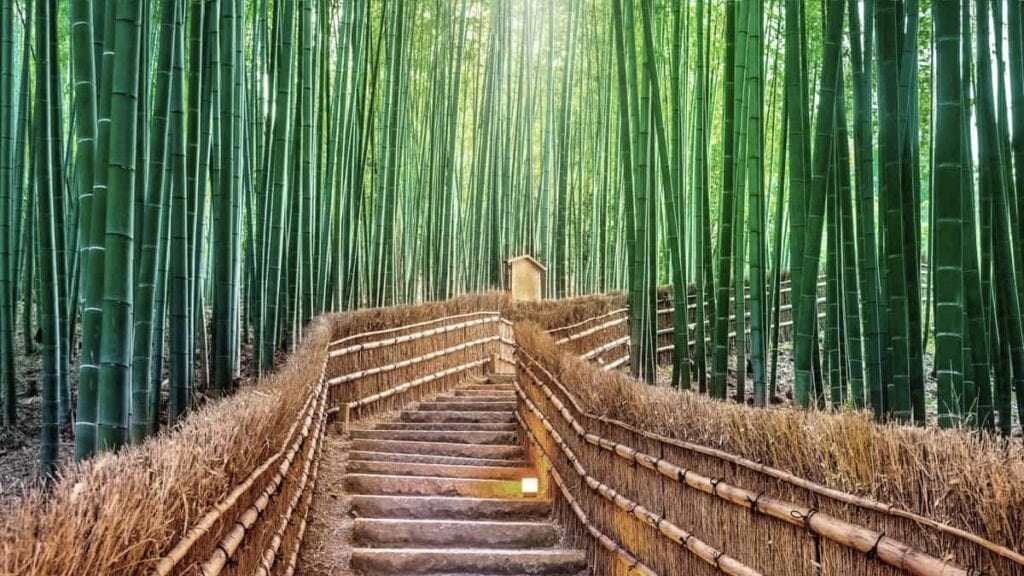
The Bamboo Grove is best visited in the early morning before it becomes crowded. Walking through towering green stalks that sway gently in the wind feels almost otherworldly.
Nearby is Tenryu-ji Temple, a UNESCO World Heritage Site with serene gardens that change beautifully with the seasons.
Midday: Monkey Park Or River Walk
If you enjoy light hiking, cross the river to Iwatayama Monkey Park. A short climb rewards you with sweeping views of Kyoto and the chance to see wild Japanese macaques.
If you prefer something more relaxed, rent a small boat or simply stroll along the Katsura River, where traditional boats float past against a backdrop of forested hills.
Afternoon: Kinkaku-ji (Golden Pavilion)
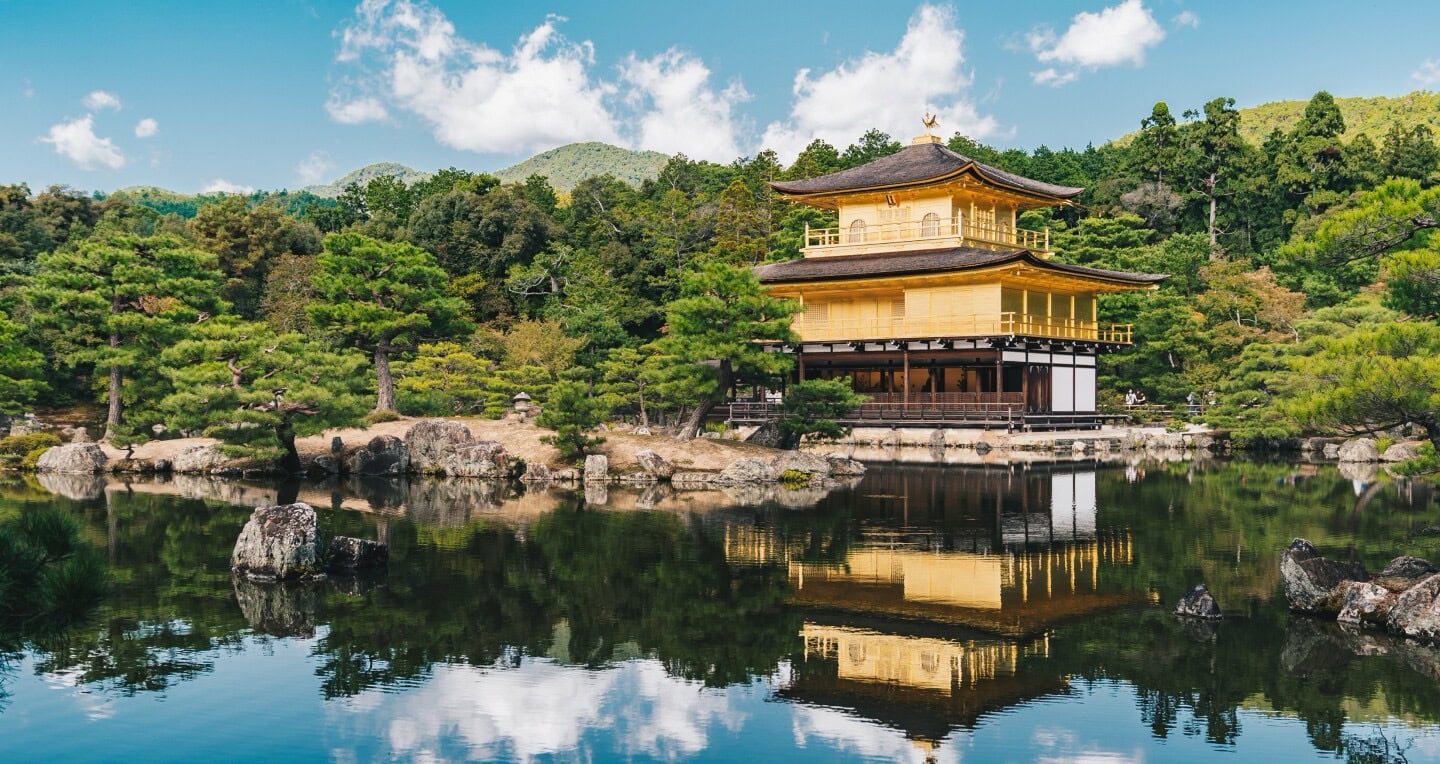
Head north to one of the most dazzling sights in Kyoto: Kinkaku-ji, the Golden Pavilion.
This Zen temple is covered in gold leaf and reflects beautifully in the surrounding pond. The gardens are just as striking, offering a peaceful space to enjoy before continuing your journey.
Evening: Nishiki Market And Kyoto Station
End your two days with a food adventure at Nishiki Market, also known as “Kyoto’s Kitchen.”
Try street food like takoyaki (octopus balls), fresh sashimi skewers, or fluffy tamagoyaki (rolled omelet).
For a more formal dinner, explore the dining floors in Kyoto Station, which offer everything from ramen to elegant multi-course meals. It is also the perfect spot to grab last-minute souvenirs before your train or flight.
Must-Try Kyoto Food
The Kyoto food scene is as much a part of its identity as its temples and gardens. With just two days, you may not be able to sample everything, but focusing on the signature dishes and local specialties will make your short stay unforgettable.
From fine dining kaiseki meals to casual street food at Nishiki Market, Kyoto offers flavors that reflect its deep cultural roots.
Kaiseki (Traditional Multi-Course Dining)
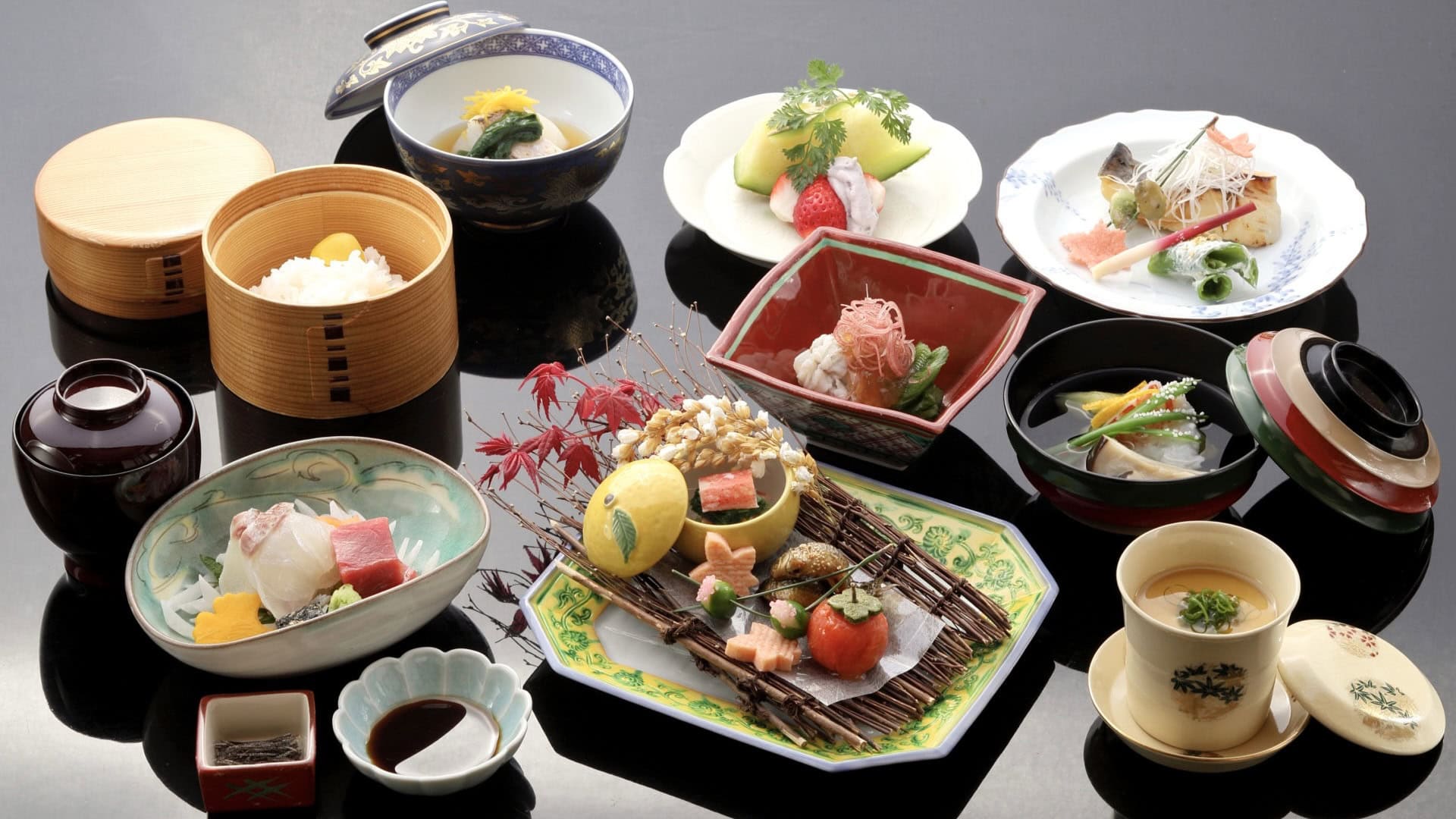
Kaiseki is the most refined dining experience in Kyoto, a multi-course meal that highlights seasonal ingredients and meticulous presentation. It is best enjoyed at specialized restaurants or ryokan.
While prices are high, a lunch kaiseki is often more affordable and still delivers the full experience.
Where to Try It:
- Kikunoi (Gion) – Michelin-starred, one of the most famous kaiseki restaurants in Kyoto.
- Gion Nanba – A more intimate setting with seasonal dishes at a lower price point.
- Gion Suetomo – A hidden gem offering elegant kaiseki in a traditional townhouse.
Matcha Sweets And Desserts
Kyoto is the heart of matcha culture in Japan, especially in the Uji region just south of the city. Be sure to try matcha parfaits, ice cream, and delicate pastries in tea houses across Higashiyama or Gion.
Where to Try It:
- Tsujiri Tea House (Gion) – Famous for matcha parfaits and ice cream.
- Nakamura Tokichi (Uji) – A historic tea house with an extensive matcha menu.
- Saryo Tsujiri (Kiyomizu) – Perfect stop while exploring temple areas.
Yuba (Tofu Skin)
A Kyoto specialty made from the delicate skin that forms when boiling soy milk. Yuba is often served in soups, sashimi-style, or as part of vegetarian Buddhist meals.
Where to Try It:
- Yuba Kobo (near Nanzen-ji) – Known for creative yuba dishes.
- Junsei (near Nanzen-ji) – Specializes in tofu and yuba in a historic setting.
- Okutan (near Kiyomizu-dera) – A long-standing vegetarian restaurant serving yuba and tofu meals.
Nishiki Market Street Food
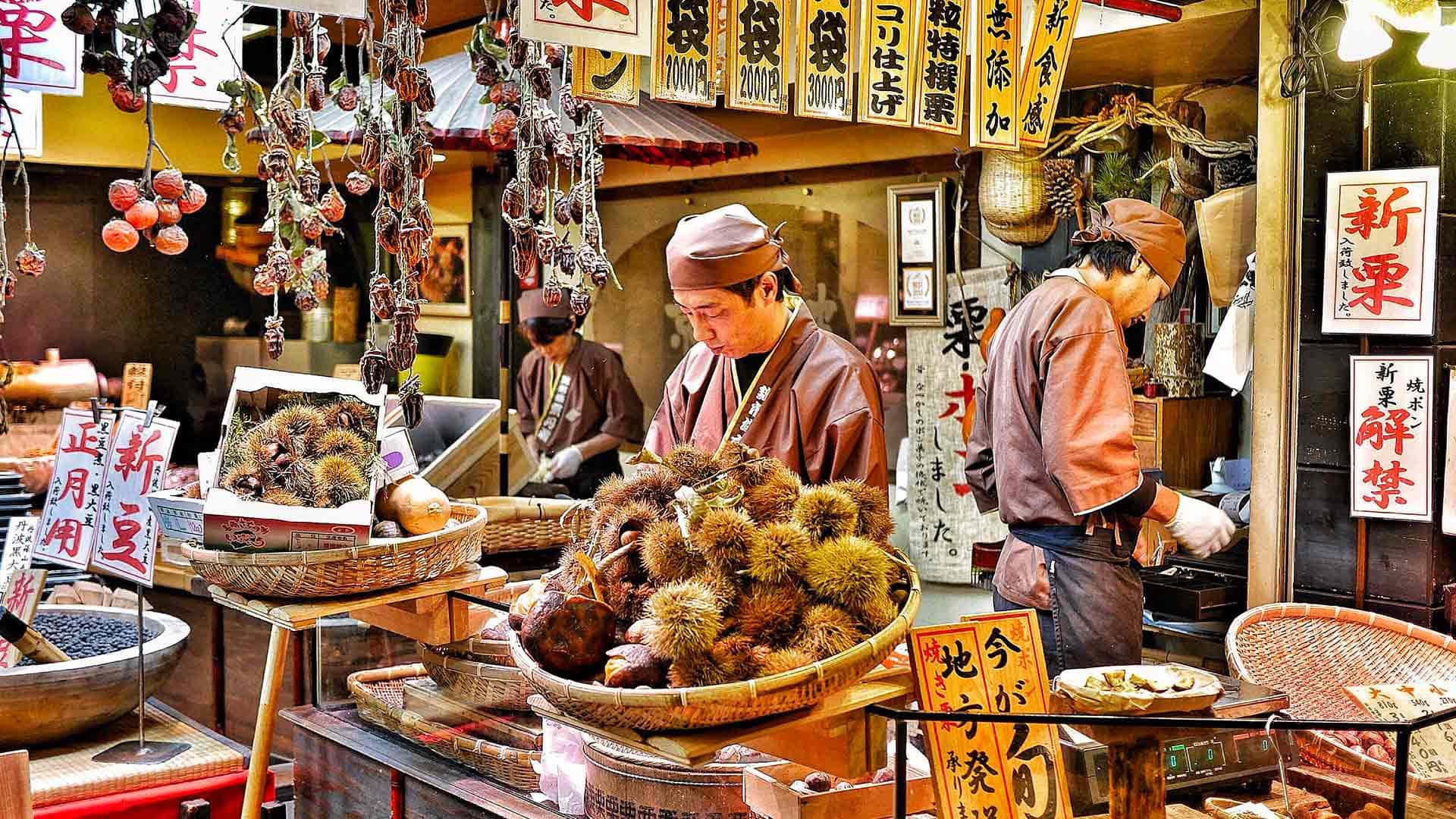
Known as “Kyoto’s Kitchen,” Nishiki Market is a must for food lovers. Vendors sell everything from fresh sashimi skewers and pickled vegetables to tamagoyaki (rolled omelet) and sweet mochi.
Arrive hungry and sample your way through the stalls.
Must-Try Stalls:
- Nishiki Tenmangu Yakitori – Famous for chicken skewers.
- Snoopy Chaya Kyoto – A playful spot with themed matcha treats.
- Aritsugu – Not food, but a legendary knife shop worth browsing.
Soba And Ramen
While Kyoto is famous for kaiseki, it also has excellent noodle shops.
Handmade soba noodles are often served cold with dipping sauce in summer or hot in broth during cooler months. Ramen lovers should try local variations, like Kyoto-style chicken-based broths.
Where to Try It:
- Omen (Gion) – Popular for handmade udon and soba.
- Menbaka Fire Ramen (near Nijo Castle) – Known for ramen flambéed at the table.
- Ichiran Ramen (Kyoto Station) – Famous chain for solo ramen dining with customizable bowls.
Where To Stay In Kyoto
Choosing the right place to stay can make a big difference when you only have two days in the city. Kyoto is fairly spread out, with temples and neighborhoods scattered in every direction, so location matters.
Staying near key transport hubs or in historic districts will save time and allow you to see more during your 48 hours.
Best Areas To Stay In Kyoto
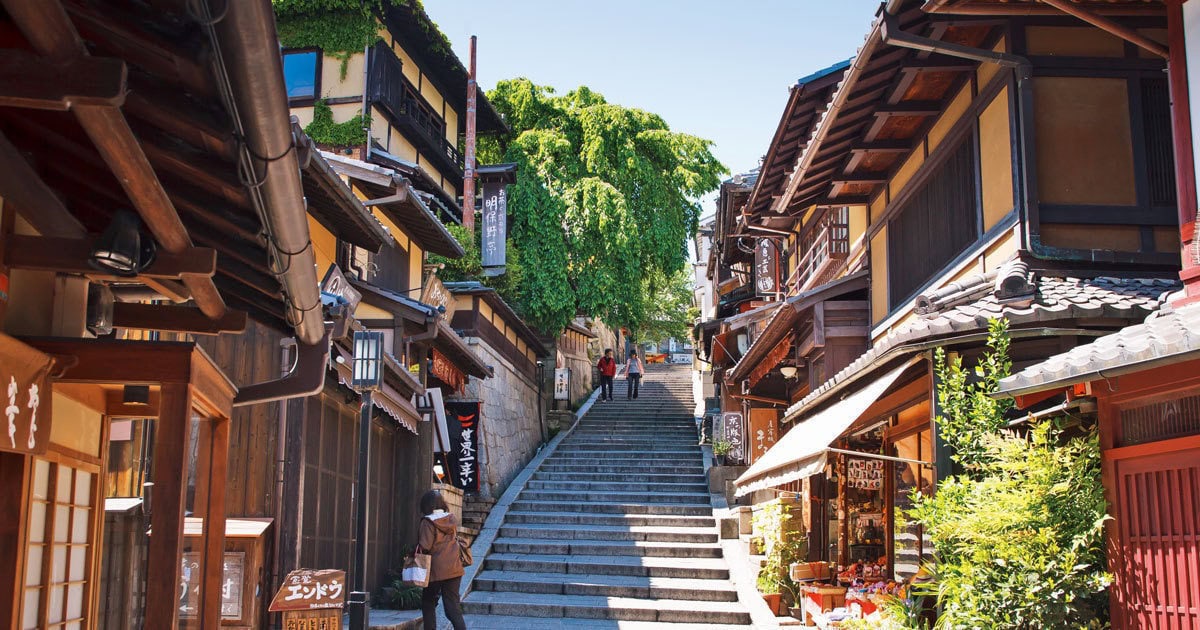
Each area of Kyoto offers a different experience, from the historic charm of Gion to the convenience of staying near Kyoto Station.
Gion and Higashiyama
- Ideal for travelers who want to be surrounded by history.
- Traditional streets, tea houses, and temples are just steps away.
- Best for walking-focused sightseeing and cultural immersion.
- Accommodations range from boutique hotels to luxury ryokan.
Kyoto Station Area
- Most convenient base for short stays.
- Easy access to Shinkansen trains, buses, and subways.
- Perfect for travelers planning day trips or moving quickly through Japan.
- Wide selection of hotels, from budget-friendly business hotels to upscale international chains.
Downtown Kyoto (Kawaramachi & Nishiki Market Area)
- Great for food lovers and nightlife.
- Walking distance to Nishiki Market, shopping streets, and many restaurants.
- Modern hotels and guesthouses dominate this area, offering excellent mid-range options.
Arashiyama
- Best for a quieter, nature-filled experience.
- Close to the Bamboo Grove, river walks, and mountain views.
- Limited hotel choices, with more traditional inns and ryokan.
- Less convenient for travelers planning to see all corners of Kyoto in two days.
Recommended Accommodations By Budget
Kyoto offers everything from luxurious ryokan retreats to budget-friendly hostels, so you can find a stay that fits both your style and schedule.
Below are top picks across luxury, mid-range, and budget categories to make the most of your 48 hours in the city.
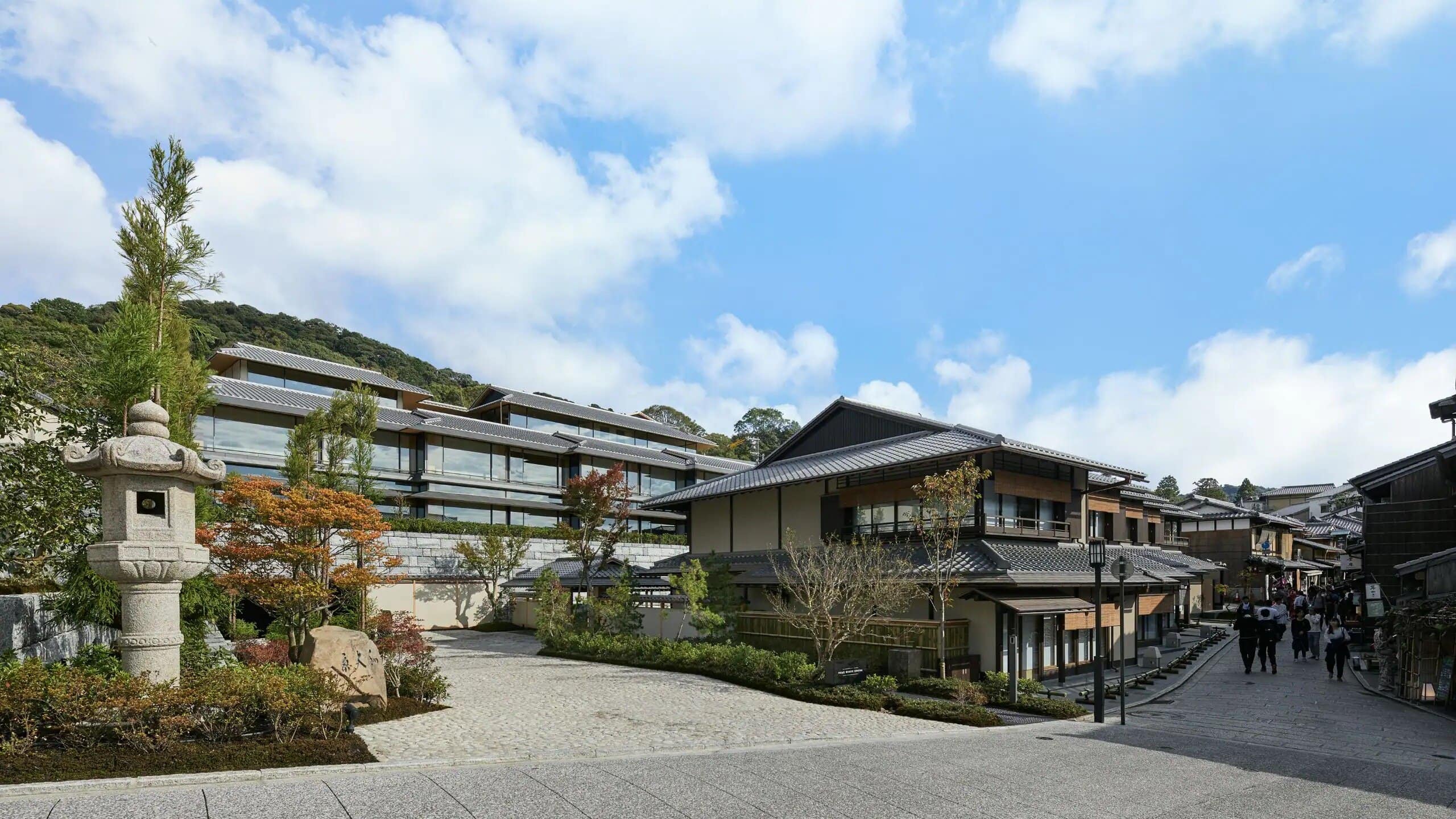
Luxury Hotels
- Park Hyatt Kyoto (World of Hyatt). A hillside retreat in Higashiyama with stunning views of Kiyomizu-dera.
- The Ritz-Carlton Kyoto (Marriott Bonvoy). A riverside property offering spacious suites and refined dining.
- Hoshinoya Kyoto. A luxury ryokan-style retreat in Arashiyama, accessible only by boat.
- Hotel The Mitsui Kyoto, a Luxury Collection Hotel (Marriott Bonvoy). A refined property with an onsen, located near Nijo Castle.
Mid-Range Hotels
- Hotel Granvia Kyoto. Located inside Kyoto Station, perfect for quick arrivals and day trips. Cash-only, but excellent value for its location.
- Kyoto Granbell Hotel. A stylish boutique hotel steps from the historic streets of Gion.
- Cross Hotel Kyoto. Sleek rooms in downtown Kyoto, close to shopping and dining. Cash bookings only.
- Daiwa Roynet Hotel Kyoto Ekimae. Comfortable and modern near Kyoto Station. Another strong value cash option.
Budget Hotels
- Sakura Terrace The Gallery. Affordable and trendy near Kyoto Station. Cash bookings only, but great for budget-conscious travelers.
- Piece Hostel Kyoto. A well-loved hostel with dorms and private rooms, perfect for social travelers. Cash only.
- Hotel Mystays Kyoto Shijo. A reliable and affordable choice from the Mystays chain. Cash only.
- Guest House An. A traditional guesthouse offering tatami-style rooms at budget rates. Cash only.
Practical Kyoto Travel Tips
A short stay in Kyoto can feel busy, but a little planning will help you see more and stress less.
From getting around the city to knowing when to visit its most popular temples, these practical tips will make your 2-day Kyoto itinerary smooth and enjoyable.
Getting Around Kyoto
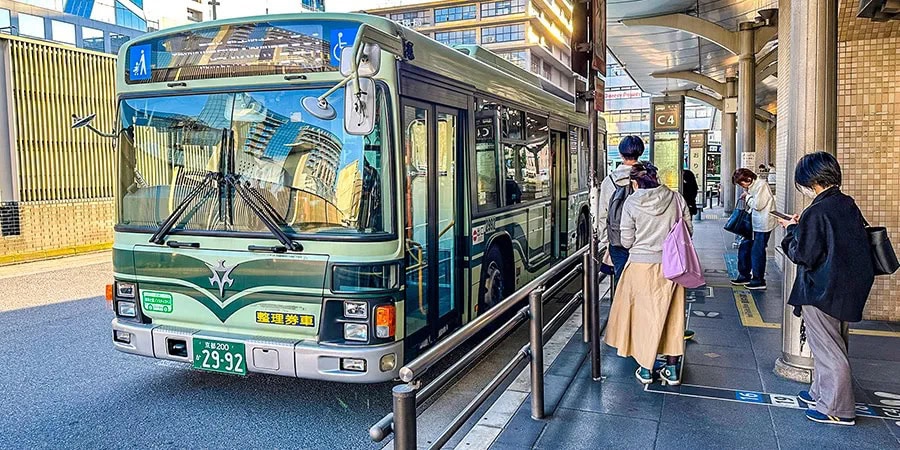
The sights in Kyoto are spread across the city, but its transport network makes visiting them manageable. Combining buses, subways, and walking is the most efficient way to explore in just two days.
- Public Transport: Buses cover most major sights, while subways are better for faster cross-city travel. A one- or two-day bus / subway pass is convenient and affordable.
- Walking: Many neighborhoods like Gion, Higashiyama, and Arashiyama are best explored on foot. Wear comfortable shoes since cobblestone streets and temple steps are common.
- Biking: Kyoto is bike-friendly, and rentals are widely available. Cycling between temples is often faster than buses during peak tourist hours.
Best Time To Visit Kyoto
The season you visit Kyoto can completely change the experience. From cherry blossoms in spring to quiet snowy temples in winter, each season offers its own charm.
- Spring (March – April): Famous for cherry blossoms, though crowds are very high.
- Autumn (October – November): Stunning fall foliage with crisp weather.
- Winter (December – February): Quieter and atmospheric, with fewer tourists.
- Summer (June – August): Hot and humid, but festivals like Gion Matsuri make it lively.
Saving Money On Transport
Transportation costs can add up quickly, but there are simple ways to save. Using prepaid cards or passes makes it easier to move around and helps stretch your budget.
- Japan Rail Pass: If you are traveling across Japan, use the JR Pass for Shinkansen rides into Kyoto. Within the city, JR trains are less useful, but the pass can save money if combined with longer routes.
- IC Cards (Suica, Pasmo, ICOCA): These rechargeable cards are valid on buses, trains, and subways across Japan. They save time and eliminate the need to buy individual tickets.
Etiquette And Local Customs In Japan
Respecting local customs makes exploring Kyoto more enjoyable and shows appreciation for its culture. Small gestures of courtesy will leave a positive impression.
- Temples and Shrines: Be respectful – photography is sometimes restricted, shoes must often be removed, and quiet behavior is expected.
- Dining: Many restaurants have display menus outside. Tipping is not common, but a polite thank you (“arigato gozaimasu”) goes a long way.
- Trash: Public bins are rare. Carry your own small bag for litter until you return to your hotel.
Language And Connectivity
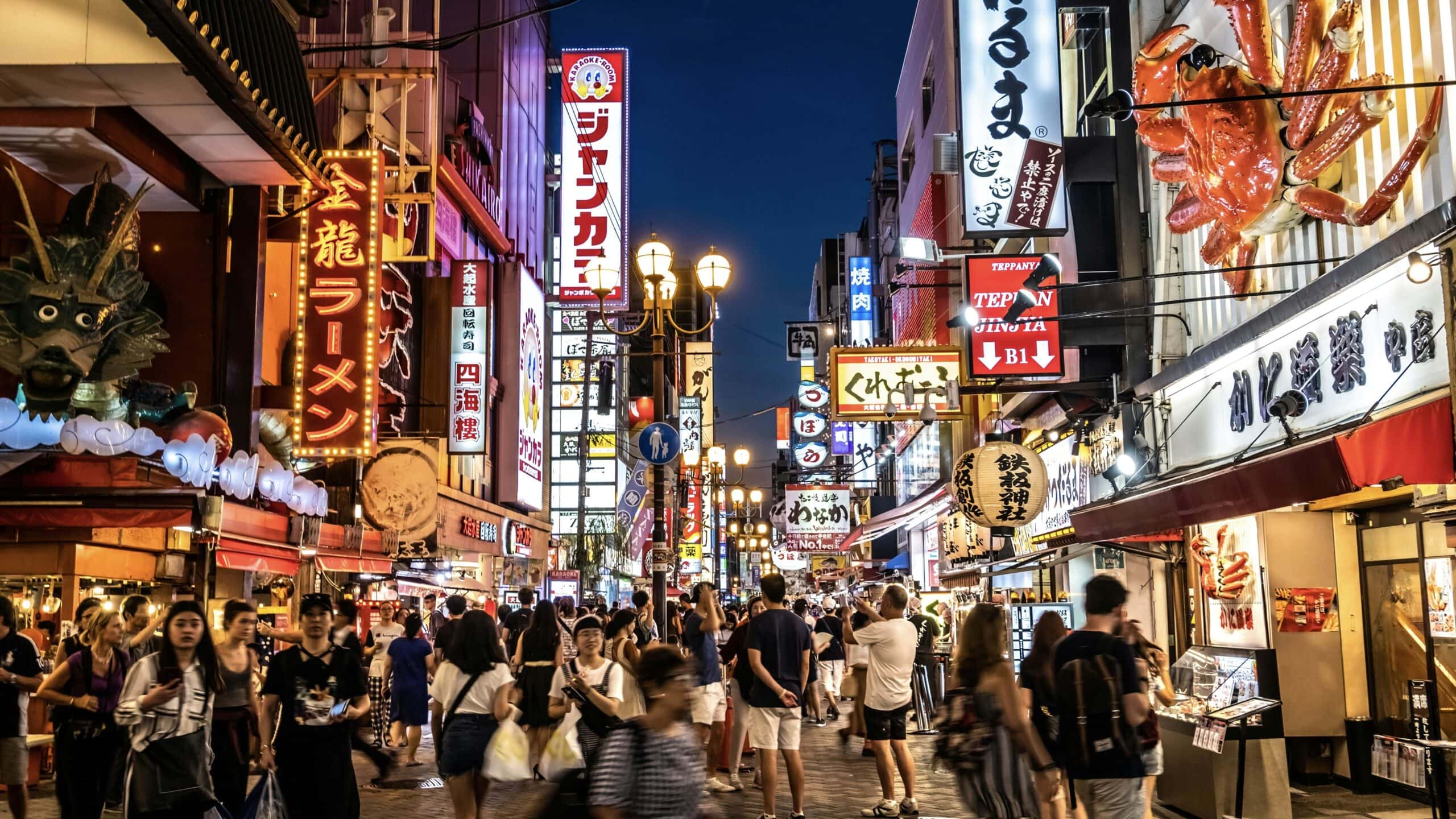
While English is common at hotels and major sights, it is helpful to be prepared. Staying connected and knowing a few Japanese phrases will make your trip smoother.
- Language: Basic English is spoken in hotels and major attractions, but learning a few simple Japanese phrases (like “sumimasen” for excuse me) will be appreciated.
- Wi-Fi & eSIMs: Free Wi-Fi is common in stations and cafes, but a pocket Wi-Fi or an eSIM card ensures smooth navigation and translations.
48 Hours In Kyoto vs Longer Stays
Two days in Kyoto is enough to capture the highlights, but it will naturally leave you wanting more…
What You Can See In 48 Hours
With two full days, you can cover the essentials:
- Fushimi Inari Shrine and its endless red torii gates
- Kiyomizu-dera and the historic Higashiyama streets
- Gion district at night with its teahouses and lantern-lit alleys
- Arashiyama Bamboo Grove and Tenryu-ji Temple
- Kinkaku-ji (Golden Pavilion)
- Nishiki Market for the Kyoto food scene
This mix of temples, neighborhoods, and dining experiences gives you a strong sense of the Kyoto cultural spirit.
What You Miss With Only 48 Hours

While 48 hours provides a great introduction, there are many experiences you will need to skip:
- Day Trips: Nara, Uji (for matcha), and Osaka are popular extensions.
- Hidden Temples: Places like Ryoan-ji (rock garden) and Nanzen-ji (Zen temple complex) require extra time.
- Philosopher’s Path: A peaceful canal walk lined with cherry blossoms that is best enjoyed without rushing.
- Seasonal Festivals: Gion Matsuri in July or fall illumination events at temples.
- Cultural Experiences: Tea ceremonies, cooking classes, or staying overnight in a traditional ryokan.
Why You Should Return To Kyoto
Kyoto is a city that rewards slow travel.
Two days give you a taste of its highlights, but returning allows you to uncover quiet gardens, small neighborhood eateries, and cultural rituals that make each visit unique.
Many travelers combine a short first visit with longer future stays once they understand the rhythm of the city.
Final Thoughts
Kyoto is a city that blends timeless tradition with everyday life, and even in just 48 hours, you can experience much of its beauty.
With careful planning, two days are enough to walk through the famous red gates of Fushimi Inari, wander lantern-lit streets in Gion, explore the peaceful bamboo grove in Arashiyama, and taste the rich Kyoto food culture.
This 2-day Kyoto itinerary gives you the highlights without feeling rushed, while leaving room for discovery along the way. Whether you are adding Kyoto as a quick stop on a Japan Rail journey or enjoying a weekend escape, these two days will offer memories that last a lifetime.
Kyoto is a city that calls travelers back again and again.
Use this guide to make the most of your first 48 hours in Kyoto, and then return one day to uncover its hidden temples, quiet tea houses, and seasonal festivals that make it endlessly rewarding.